5 Must‑Have Cars to Upgrade Your Garage Over the Best‑Selling Mercedes
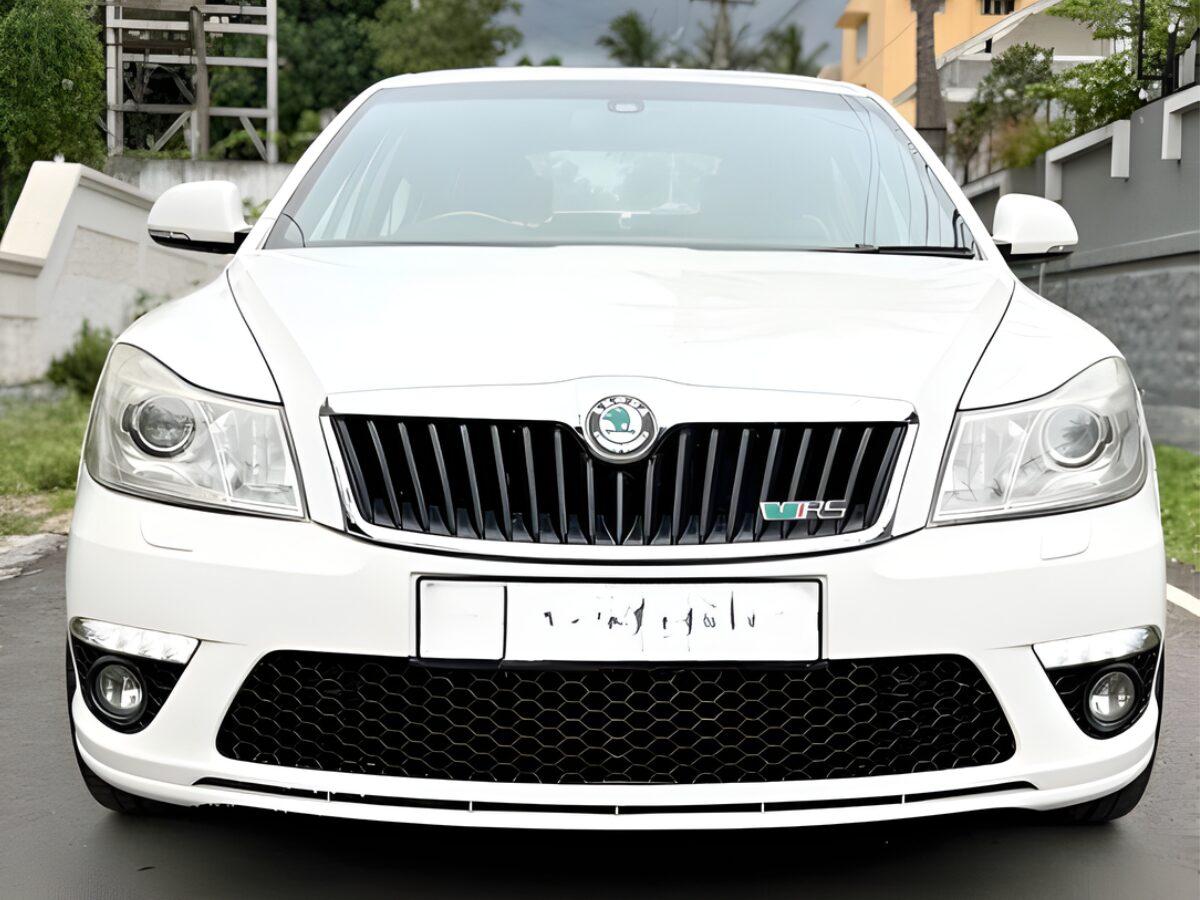
5 Must-Have Cars to Upgrade Your Garage Over the Best‑Selling Mercedes
Image: 5 Must-Have Cars to Upgrade Your Garage Over the Best‑Selling Mercedes – Performance Comparison and Specifications
Advertisement
Every car lover pictures a spacious garage – a daily driver, a family SUV, a luxury performance sedan, an off‑road beast, and a project car. While the Mercedes line‑up often steals the spotlight, there are five equally thrilling (and sometimes more affordable) options that can round out a five‑car garage perfectly. Below we dive into each alternative, compare dimensions, features, engines, and prices, and help you decide which one deserves a spot on your driveway.
Why Look Beyond the Mercedes?
Mercedes‑Benz certainly delivers refinement, but the market is bursting with turbo‑petrol powertrains, cutting‑edge ADAS (Advanced Driver‑Assistance Systems), and unique styling cues that cater to different driving moods. Adding variety not only keeps your garage exciting, it also safeguards you against a single brand’s depreciation curve.
Advertisement
1. BMW M5 – The Ultimate Performance Sedan
The BMW M5 blends raw power with everyday usability. Its 4.4 L twin‑turbo V8 produces 600 hp, pushing the car from 0‑60 mph in under 3.2 seconds. Inside, the latest iDrive system supports adaptive cruise control and lane‑keep assist – a solid ADAS package for daily commutes.
Key Highlights
- Turbo‑petrol V8 with 600 hp
- Carbon‑fiber interior trim
- Adaptive M suspension
- Standard iDrive 8 with over‑the‑air updates
2. Audi RS7 – Sporty Elegance with Quattro Grip
The Audi RS7 is a sleek fastback that offers a 591 hp 4.0 L twin‑turbo V8 paired with the legendary Quattro all‑wheel‑drive system. Its virtual cockpit, combined with Traffic Jam Assist, makes it a tech‑savvy choice for those who love both speed and safety.
Why It Fits a Five‑Car Garage
Its hatchback design adds practicality – you can load gear for a weekend adventure without sacrificing performance. Plus, the cabin’s ambient lighting creates a luxurious feel that rivals any Mercedes sedan.
Advertisement
3. Lexus LC 500 – Japanese Craftsmanship Meets Pure V8 Joy
If you crave a car that feels handcrafted, the Lexus LC 500’s 5.0 L naturally aspirated V8 delivers 471 hp with a melodious exhaust note. The brand’s Safety System+ (ADAS) includes pre‑collision braking, blind‑spot monitoring, and a 360‑degree camera.
Design Philosophy
The LC’s low‑slung silhouette and hand‑stitched leather interior make it a show‑stopper in any garage. Its limited production numbers also add a sense of exclusivity.
4. Porsche Panamera Turbo – A Sports Car That Can Carry the Family
For those who need a performance sedan with four doors, the Panamera Turbo is a perfect fit. Under the hood sits a 4.0 L twin‑turbo V8 generating 620 hp. The car’s adaptive air suspension and Porsche InnoDrive (an advanced ADAS suite) ensure comfort on highway runs and razor‑sharp handling on twisty roads.
Advertisement
Practical Luxury
Its rear seats comfortably fit adults, and the trunk offers 17.6 cu ft of cargo – enough for a weekend ski trip. The interior can be customized with Alcantara, carbon fiber, or even a bespoke watch‑dial theme.
5. Tesla Model S Plaid – Electric Power Without Compromise
While not a traditional turbo‑petrol, the Model S Plaid’s tri‑motor setup produces a mind‑blowing 1,020 hp and a 0‑60 mph time of 1.99 seconds. Its Full Self‑Driving (FSD) suite, which includes traffic‑aware cruise control and autopark, rivals the most advanced ADAS packages on the market.
Why an EV Belongs in a Luxury Garage
Beyond blistering acceleration, the Model S offers a spacious cabin, a 30‑minute supercharging capability, and a minimalist interior that feels futuristic. It’s the perfect “green” alternative to a gasoline‑powered Mercedes.
Advertisement
Comparison Tables
Design & Dimensions
| Model | Length (mm) | Width (mm) | Height (mm) |
|---|---|---|---|
| BMW M5 | 4,970 | 1,870 | 1,470 |
| Audi RS7 | 4,990 | 1,945 | 1,460 |
| Lexus LC 500 | 4,730 | 1,925 | 1,315 |
| Porsche Panamera Turbo | 5,050 | 1,945 | 1,425 |
| Tesla Model S Plaid | 4,970 | 1,964 | 1,443 |
Feature Comparison
| Model | ADAS Level | Infotainment | Seat Material |
|---|---|---|---|
| BMW M5 | Level 2 | iDrive 8, 12.3″ screen | Merino leather |
| Audi RS7 | Level 2+ | MIB 3, 10.1″ MMI | Alcantara |
| Lexus LC 500 | Level 2 | Lexus Interface, 10.3″ | Hand‑stitched leather |
| Porsche Panamera Turbo | Level 2+ | Porsche Communication Management, 12.9″ | Leather + carbon |
| Tesla Model S Plaid | Level 3 (Beta) | 15″ Touchscreen, OTA updates | Vegan leather |
Engine Specifications
| Model | Engine Type | Power (hp) | Torque (Nm) |
|---|---|---|---|
| BMW M5 | 4.4 L twin‑turbo V8 | 600 | 750 |
| Audi RS7 | 4.0 L twin‑turbo V8 | 591 | 800 |
| Lexus LC 500 | 5.0 L naturally aspirated V8 | 471 | 540 |
| Porsche Panamera Turbo | 4.0 L twin‑turbo V8 | 620 | 820 |
| Tesla Model S Plaid | Tri‑motor electric | 1,020 | 1,400 |
Price Comparison (USD)
| Model | MSRP | Typical Discount | Final Price |
|---|---|---|---|
| BMW M5 | $104,800 | 5‑7% | $97,500 |
| Audi RS7 | $115,000 | 3‑5% | $110,000 |
| Lexus LC 500 | $101,000 | 2‑4% | $97,000 |
| Porsche Panamera Turbo | $151,000 | 4‑6% | $142,000 |
| Tesla Model S Plaid | $135,000 | 0‑2% | $133,000 |
How These Cars Complement a Five‑Car Garage
Imagine walking into a garage where each vehicle serves a distinct purpose:
- Daily Driver: Tesla Model S Plaid – silent, efficient, and tech‑forward.
- Family SUV: (you could still keep a separate SUV, but the Panamera’s rear space handles many trips.)
- Luxury Performance Sedan: BMW M5 or Audi RS7 – choose based on your brand loyalty.
- Off‑Road Capable SUV: (not covered here, but the garage’s remaining slot can house a rugged Jeep or Land Rover.)
- Project Car: Lexus LC 500 – its limited‑run nature makes it perfect for a hobbyist looking to personalize.
By diversifying, you avoid the monotony of a single marque and enjoy a broader spectrum of driving experiences.
Conclusion
Mercedes may dominate headlines, but the five models above prove that alternatives can deliver equal or greater excitement, technology, and value. Whether you gravitate toward the visceral roar of a twin‑turbo V8, the refined elegance of a Japanese masterpiece, or the instantaneous torque of an electric powerhouse, each car earns a spot in a well‑curated garage. So the next time you plan a garage upgrade, consider swapping the bestseller for one of these standout performers.
Advertisement
For the original inspiration behind this list, check out the article on MotorOctane.
FAQ
- Q1: Are these cars cheaper to insure than a Mercedes?
- A1: Insurance costs vary by model and driver profile, but many of the listed vehicles—especially the Tesla—often have competitive rates due to strong safety scores.
- Q2: Which of these cars offers the best fuel economy?
- A2: The Tesla Model S Plaid, being fully electric, has the best equivalent mileage (MPGe). Among gasoline models, the BMW M5’s mild‑hybrid system improves its EPA rating.
- Q3: Do any of these models have a manual transmission?
- A3: None of the five feature a traditional manual; all are paired with sophisticated dual‑clutch or automatic gearboxes optimized for performance.
- Q4: Which car has the most advanced ADAS?
- A4: Tesla’s Full Self‑Driving (FSD) suite is currently the most advanced, offering Level 3 capabilities in beta. Porsche’s InnoDrive and Audi’s Traffic Jam Assist are close contenders at Level 2+.
- Q5: How reliable are these vehicles long‑term?
- A5: Lexus traditionally leads in reliability, followed by BMW and Audi. Porsche and Tesla have mixed reports—excellent when maintained, but potential higher repair costs.
- Q6: Can I get a lower‑trim version of the Panamera to save money?
- A6: Yes, the Panamera 4 S offers a balance of performance and price, though the Turbo remains the most powerful.
- Q7: Which car offers the most cargo space?
- A7: The Tesla Model S provides the largest trunk (up to 28 cu ft with rear seats folded), surpassing the Panamera’s 17.6 cu ft.
- Q8: Are any of these cars eligible for federal EV tax credits?
- A8: As of 2025, the Tesla Model S Plaid no longer qualifies for the federal credit due to its price, but some state incentives still apply.
- Q9: How does maintenance cost compare to a Mercedes?
- A9: Maintenance on the BMW, Audi, and Porsche tends to be similar to high‑end Mercedes, while Lexus usually costs less. Tesla’s service model is unique, often requiring fewer visits.
- Q10: Which of these cars is the best resale value?
- A10: Lexus models historically hold value best, followed closely by Porsche. The Tesla’s resale is strong but can fluctuate with battery technology advances.