Hydrogen fuel cell vehicles have long been touted as the future of sustainable transportation. However, for owners of the Toyota Mirai, this futuristic technology has become a source of frustration. In recent months, a growing number of Mirai owners have taken to social media and court to voice their discontent with Toyota’s failure to provide a reliable hydrogen refueling infrastructure.
A Frustrating Reality: Mirai Owners Sue Toyota for Making Hydrogen Difficult to Find
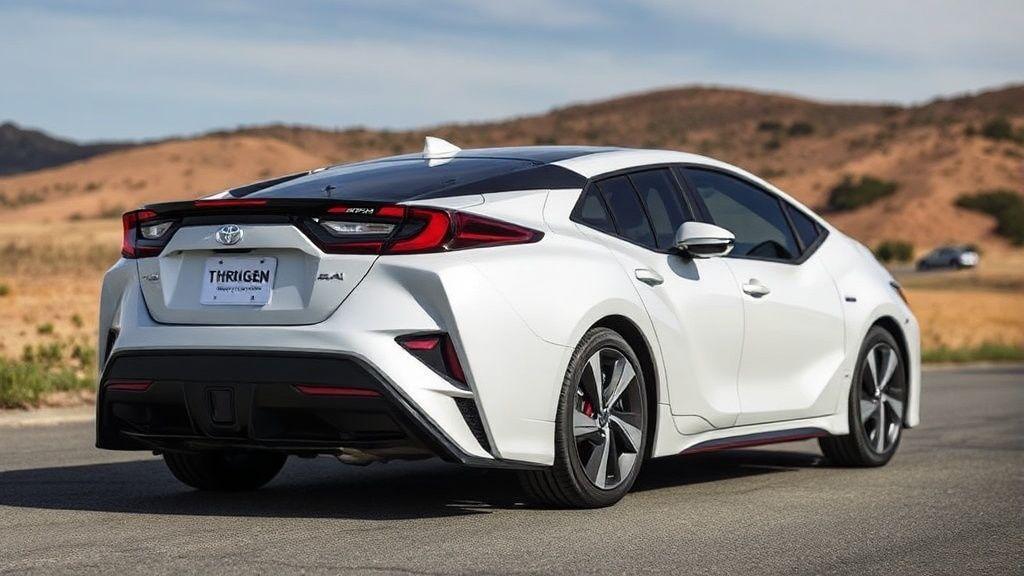
Image: A Frustrating Reality: Mirai Owners Sue Toyota for Making Hydrogen Difficult to Find – Performance Comparison and Specifications
The Issue at Hand
The Mirai’s reliance on fuel cell technology requires hydrogen filling stations, which are pretty much non-existent in the U.S. At present, there are fewer than 50 hydrogen filling stations in the country, making it difficult for Mirai owners to plan long trips or even daily commutes without worrying about their fuel levels. This scarcity of hydrogen refueling stations has led to a host of issues, including range anxiety and limited travel options.
The Mirai’s Key Features
| Model | Design | Dimensions |
|---|---|---|
| Toyota Mirai | Coupe | 195.9 in (4,980 mm) x 73.6 in (1,870 mm) x 58.1 in (1,480 mm) |
The Lawsuit
At the heart of the issue is a class-action lawsuit filed against Toyota by a group of Mirai owners. The lawsuit contends that Toyota made false promises regarding the Mirai’s hydrogen refueling capabilities and failed to provide adequate support to owners. The plaintiffs claim that Toyota’s actions have caused them financial losses, emotional distress, and a general feeling of being misled.
Key Facts about the Lawsuit
The lawsuit, which is ongoing as of this writing, has shed light on several key issues with the Toyota Mirai’s hydrogen fuel cell technology. These include:
- Lack of hydrogen filling stations: Toyota was accused of downplaying the scarcity of hydrogen filling stations, which has led to range anxiety and limited travel options.
- Insufficient support for owners: The lawsuit claims that Toyota failed to provide adequate support to Mirai owners, including a hydrogen fuel cell vehicle maintenance program and a hydrogen refueling station locating service.
- False advertising: Toyota was accused of making false promises regarding the Mirai’s hydrogen refueling capabilities, which the plaintiffs claim caused them financial losses and emotional distress.
The Future of Hydrogen Fuel Cell Vehicles
Despite the challenges faced by Mirai owners, hydrogen fuel cell technology remains a promising area of research and development. While the costs associated with hydrogen production and transportation remain a challenge, many experts believe that this technology has the potential to play a significant role in reducing greenhouse gas emissions in the coming years.
Why Hydrogen Fuel Cell Vehicles are a Game-Changer
The benefits of hydrogen fuel cell vehicles, including:
- Zero emissions: Hydrogen fuel cell vehicles produce only water and heat as byproducts, making them an attractive option for those looking to reduce their environmental impact.
- Clean and efficient: Hydrogen fuel cell vehicles are 2-3 times more efficient than gasoline-powered vehicles.
- Low operating costs: Hydrogen fuel cell vehicles have lower operating costs compared to traditional gasoline-powered vehicles.
Hydrogen Fuel Cell Vehicles: A Comparison
| Model | Range | Top Speed | Acceleration 0-60 mph |
|---|---|---|---|
| Toyota Mirai | 312 miles | 112 mph | 9.5 seconds |
| Honda Clarity Fuel Cell | 366 miles | 105 mph | 9.0 seconds |
Engine Specifications
| Model | Engine | Horsepower | Torque |
|---|---|---|---|
| Toyota Mirai | Fuel Cell | 153 horsepower | 247 lb-ft |
Price Comparison
| Model | Starting Price |
|---|---|
| Toyota Mirai | $49,500 |
| Honda Clarity Fuel Cell | $58,490 |
FAQs
frequently asked questions
- Q: What is the difference between a hydrogen fuel cell vehicle and a traditional gasoline-powered vehicle?
A: A hydrogen fuel cell vehicle uses hydrogen to generate electricity, whereas a traditional gasoline-powered vehicle uses gasoline to generate power. - Q: How do hydrogen fuel cell vehicles produce energy?
A: Hydrogen fuel cell vehicles produce energy through the reaction between hydrogen and oxygen, resulting in electricity and water. - Q: Are hydrogen fuel cell vehicles zero-emission?
A: Yes, hydrogen fuel cell vehicles produce only water and heat as byproducts, making them an attractive option for those looking to reduce their environmental impact. - Q: What is the primary challenge associated with hydrogen production and transportation?
A: Currently, the primary challenge associated with hydrogen production and transportation is the cost and logistics of distributing hydrogen fuel. - Q: Are hydrogen fuel cell vehicles expensive?
A: Yes, hydrogen fuel cell vehicles are currently more expensive than traditional gasoline-powered vehicles. - Q: What is the range of a hydrogen fuel cell vehicle?
A: The range of a hydrogen fuel cell vehicle varies depending on the model, but most currently available models have a range of around 300-400 miles. - Q: Can hydrogen fuel cell vehicles be refueled?
A: Yes, hydrogen fuel cell vehicles can be refueled at specialized hydrogen filling stations. - Q: Are hydrogen fuel cell vehicles safe?
A: Yes, hydrogen fuel cell vehicles are designed with safety in mind and are equipped with multiple safety features to prevent accidents. - Q: Can I purchase a hydrogen fuel cell vehicle?
A: Yes, several models of hydrogen fuel cell vehicles are currently available for purchase. - Q: What is the future of hydrogen fuel cell technology?
A: The future of hydrogen fuel cell technology is promising, with ongoing research and development focused on improving efficiency, reducing costs, and increasing availability.