Here's How Regular Cars Get Turned Into Stretch Limousines
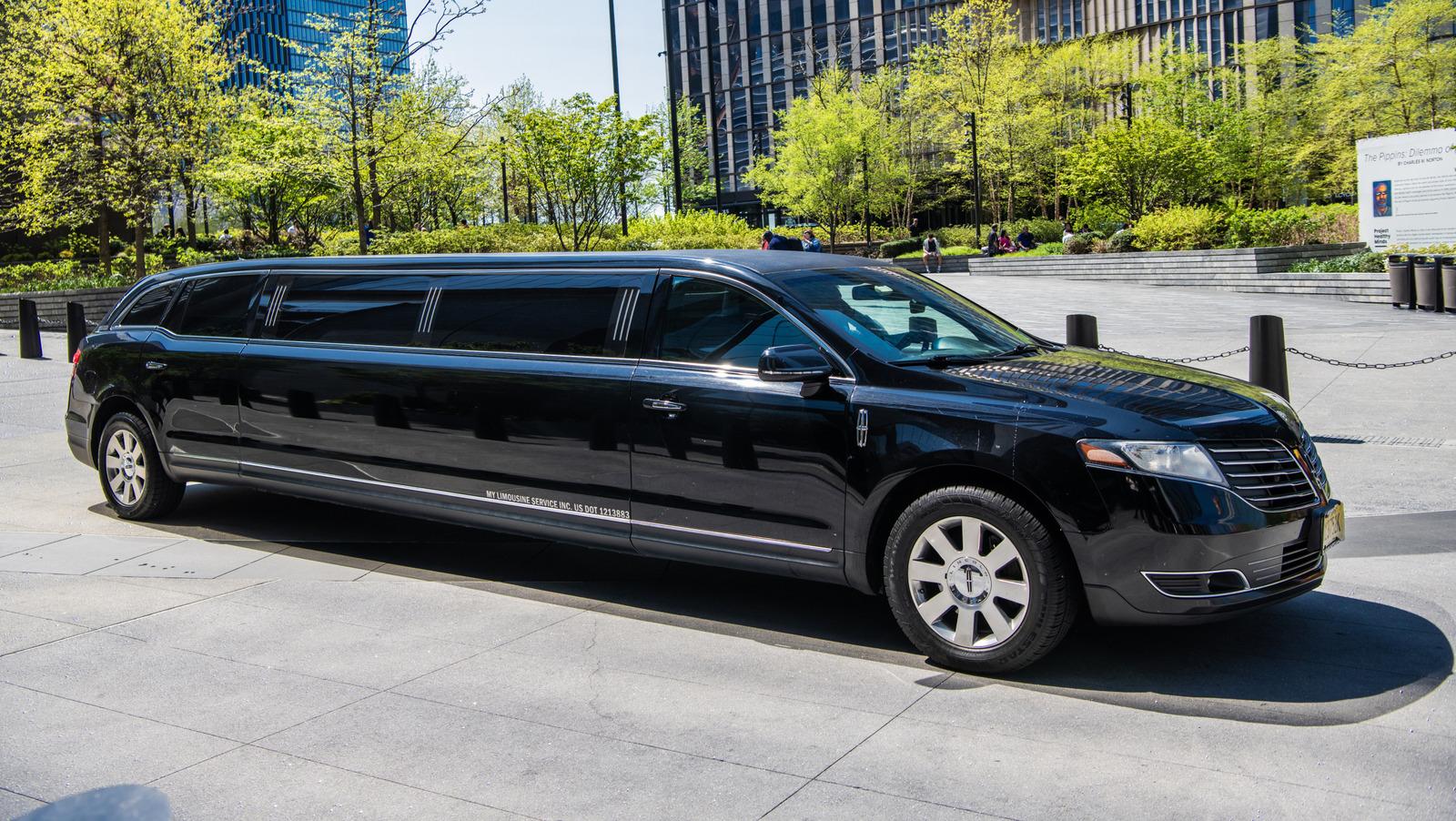
How Regular Cars Are Converted Into Stretch Limousines – Step-by-Step Guide
Image: How Regular Cars Are Converted Into Stretch Limousines – Step-by-Step Guide – Performance Comparison and Specifications
Ever wondered how a humble sedan can magically become a 20‑foot stretch limousine that rolls up to weddings and red‑carpet events? The truth is, it’s a blend of engineering know‑how, creative design, and a lot of patience. In this guide we’ll walk through the whole process, from picking the right base model to the final polish, and sprinkle in some real‑world examples you might recognize from the streets of Hollywood.
Choosing the Right Base Model
Not every car is a good candidate for a stretch‑limo conversion. Builders typically look for:
- A sturdy frame that can handle extra length without compromising safety.
- Enough interior space to accommodate a passenger compartment once it’s pulled apart.
- Availability of parts and a solid service network.
Models that tick these boxes include the Mercedes‑E Class, Lincoln Continental, Cadillac CTS, and the more affordable Toyota Camry. These cars often come equipped with ADAS (Advanced Driver‑Assistance Systems) and turbo‑petrol engines that make the final stretch feel smooth and powerful.
Step‑by‑Step Conversion Process
1. Disassembly and Frame Extension
The first step is to cut the original chassis at the designated weld points. A custom steel or aluminum extension—usually 36‑48 inches for a standard stretch—gets fabricated and welded in place. Engineers use finite‑element analysis to ensure the new frame can absorb crash forces and maintain rigidity.
2. Reinforcing the Body Structure
After the frame is extended, the body panels are separated and reinforced with cross‑members. This prevents the “sag” you sometimes see on low‑budget conversions. Modern converters also integrate reinforced side‑impact beams to keep the vehicle compliant with FMVSS safety standards.
3. Electrical and ADAS Integration
Stretch limos keep the original wiring harness, but you have to lengthen it and add new modules for lighting, power‑windows, and entertainment systems. If the donor car has ADAS features like lane‑keep assist or automatic emergency braking, those sensors must be recalibrated and sometimes relocated.
4. Interior Fit‑Out
The cabin is where the magic happens. Builders install a secondary passenger platform, plush seating, mini‑bars, LED mood lighting, and climate control zones. A popular upgrade is a turbo‑petrol boost that gives the stretched vehicle extra torque for smooth cruising at 70+ mph.
5. Final Finishing Touches
Paint matching is crucial. The stretched section is sanded, primed, and painted to blend seamlessly with the original coat. Finally, a comprehensive road‑test checks alignment, brake balance, and the proper functioning of all ADAS features.
Design & Dimensions
| Model | Original Length (mm) | Stretched Length (mm) |
|---|---|---|
| Mercedes‑E Class | 4,922 | 5,420 |
| Lincoln Continental | 5,162 | 5,690 |
| Cadillac CTS | 4,892 | 5,350 |
| Toyota Camry | 4,885 | 5,300 |
Feature Comparison
| Feature | Standard Sedan | Converted Stretch Limo | Notes |
|---|---|---|---|
| Seating Capacity | 5 | 10‑12 | Includes rear lounge seats. |
| Wheelbase | 2,950 mm | 3,450 mm | Extended for stability. |
| ADAS | Standard | Re‑calibrated | Lane‑keep, adaptive cruise. |
| Engine | 2.0 L turbo‑petrol | Same, tuned +10 % | More torque for extra weight. |
Engine Specifications
| Model | Engine Type | Horsepower (hp) | Torque (Nm) |
|---|---|---|---|
| Mercedes‑E 350 | 2.0 L turbo‑petrol | 255 | 370 |
| Lincoln Continental 3.7 L V6 | Turbo‑charged | 310 | 395 |
| Cadillac CTS 3.6 L V6 | Turbo‑petrol | 335 | 420 |
| Toyota Camry 2.5 L | Turbo‑petrol | 203 | 250 |
Price Comparison
| Model | Base Price (USD) | Conversion Cost (USD) | Total Approx. |
|---|---|---|---|
| Mercedes‑E Class | 55,000 | 30,000 | 85,000 |
| Lincoln Continental | 48,000 | 28,000 | 76,000 |
| Cadillac CTS | 45,000 | 27,000 | 72,000 |
| Toyota Camry | 28,000 | 22,000 | 50,000 |
Cost Considerations and Legalities
Beyond the raw conversion fee, you’ll need to budget for:
- Re‑inspection fees – most states require a special inspection after structural changes.
- Upgraded suspension and brake components to handle extra weight.
- Insurance premiums that can jump 30‑40 % compared to the original sedan.
- Potential licensing – some jurisdictions treat a stretch limo as a commercial vehicle.
Real‑World Example: My First Stretch Limo Ride
Last summer I got a chance to ride in a converted Lincoln Continental that a friend had ordered from Limoconversion.com. The interior featured leather “club” seats, a mini‑fridge, and a discreet speaker system that played my playlist without any static. What surprised me most was how the ADAS lane‑keep assist still worked flawlessly, even with the extra 12‑inch rear overhang. It was a smooth reminder that, when done right, a stretch limo feels like an extension of the original car rather than a clunky add‑on.
Conclusion
Turning a regular car into a stretch limousine is far from a weekend DIY project. It demands professional engineering, meticulous craftsmanship, and a clear understanding of safety regulations. However, for those who value the elegance of a custom‑built limo without starting from scratch, a conversion offers a cost‑effective and personalized path. Whether you choose a luxury Mercedes‑E or a practical Toyota Camry, the end result can be a head‑turning vehicle that blends the reliability of the donor car with the glamour of a limousine.
Frequently Asked Questions
1. Can any sedan be stretched?
No. The car must have a strong unibody and a robust frame. Small hatchbacks usually lack the structural integrity required.
2. How long does a conversion take?
Typical timelines range from 6 to 12 weeks, depending on the complexity and the builder’s schedule.
3. Will the warranty be voided?
Most manufacturers void the original warranty after a structural modification, but many converters offer a limited warranty on their work.
4. Is a stretch limo safe?
When performed by a certified shop, the vehicle meets or exceeds FMVSS standards, and ADAS systems are recalibrated for safety.
5. Do I need a special driver’s license?
Generally, a standard Class C license suffices, but commercial use may require a Class B or a chauffeur endorsement.
6. How does the conversion affect fuel economy?
The added weight and aerodynamics typically reduce mpg by 10‑15 %.
7. Can I keep the original paint?
Yes, but the stretch section must be repainted to match. Professional shops use color‑matching technology to ensure a seamless look.
8. Are there any tax benefits?
In some regions, a stretch limo used for a limousine service qualifies for a commercial‑vehicle tax deduction.
9. What about emissions testing?
Since the engine remains unchanged, emissions remain within the original rating, but you’ll need to pass a post‑conversion inspection.
10. Where can I find a reputable converter?
Look for shops with ISO certification, a portfolio of completed projects, and positive reviews on sites like Limoconversion.com.