Muscle Car vs Pony Car: Key Differences Explained
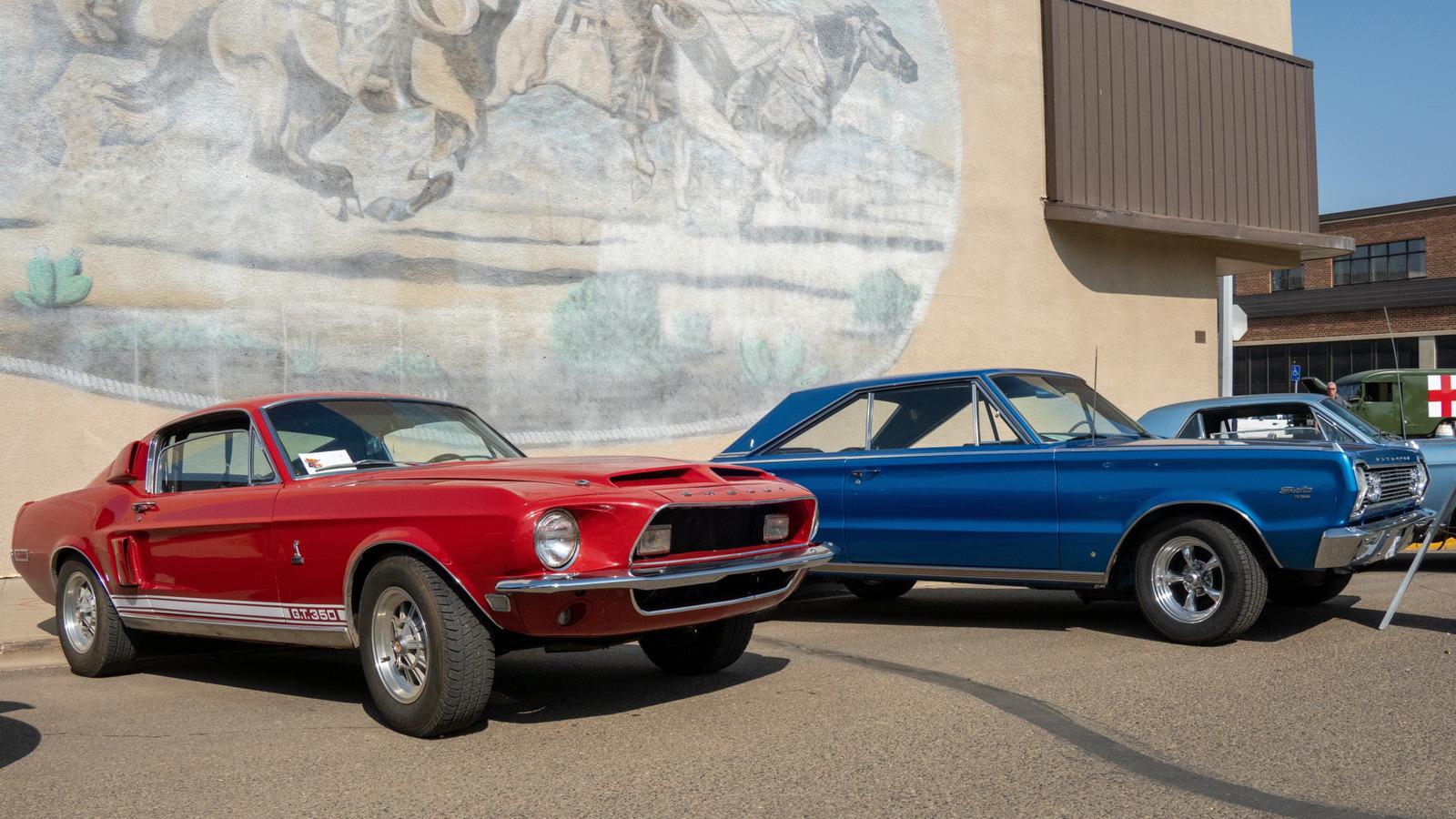
Muscle Car vs Pony Car: Key Differences Explained
Image: Muscle Car vs Pony Car: Key Differences Explained – Performance Comparison and Specifications
When you hear the words muscle car and pony car, images of roaring V8s, sleek fastbacks, and a nostalgic 60s vibe instantly pop into mind. For decades these two American icons have been used interchangeably, yet they originated from distinct design philosophies. In this article we’ll untangle the history, dissect the specs, and show you why the line between them has started to blur in today’s market.
Origins: Where the Two Paths Diverge
The pony car was born in 1964 when the Ford Mustang hit the streets. Its defining traits were a compact wheelbase, affordable price, and a sporty, youth‑oriented image. Chevrolet answered with the Camaro, and Pontiac rolled out the Firebird – all sharing the same pony car DNA.
Meanwhile, the muscle car movement erupted a few years later. Builders took mid‑size platforms (think Chevrolet Chevelle, Plymouth Road Runner) and slotted in big‑bore V8s that pumped out 300+ horsepower. The goal? Straight‑line domination on the drag strip, not cornering finesse.
Back then the gap was crystal clear: size versus power. Fast forward to 2024, and you’ll see modern pony cars like the 2024 Ford Mustang GT equipped with twin‑turbo V8s that rival classic muscle, while new muscle‑type models such as the 2024 Dodge Challenger SRT are trimmed down to fit tighter city streets. The differences are now more about branding than engineering.
Design & Dimensions
| Aspect | Pony Car | Muscle Car |
|---|---|---|
| Typical Wheelbase | 95–100 inches | 110–115 inches |
| Overall Length | 180–190 inches | 200–210 inches |
| Weight (Curb) | 3,200–3,600 lbs | 3,800–4,200 lbs |
| Body Style | Fastback, Coupe, Convertible | Fastback, Coupe, Hardtop |
Notice how pony cars stay on the shorter side, making them easier to park in urban lots, while muscle cars still carry the bulk that gives them a commanding road presence.
Feature Comparison
| Feature | Pony Car | Muscle Car |
|---|---|---|
| Standard Engine | Turbo‑petrol 4‑cyl or V6 | Large V8 (5.7 L–6.4 L) |
| Performance Package | Available (e.g., GT, Roush) | Standard on SRT, Supercharged |
| ADAS Suite | Advanced (lane‑keep, adaptive cruise) | Varies, often optional |
| Transmission Options | 6‑speed manual, 10‑speed auto | 6‑speed manual, 8‑speed auto |
| Fuel Economy (Combined) | 22‑28 mpg | 15‑20 mpg |
Both camps now sport ADAS (Advanced Driver‑Assistance Systems) and modern infotainment, but pony cars tend to lead with the latest tech because they target younger buyers who value connectivity.
Engine Specifications
| Model | Engine | Horsepower |
|---|---|---|
| 2024 Ford Mustang GT | 5.0 L V8, naturally aspirated | 480 hp |
| 2024 Chevrolet Camaro SS | 6.2 L V8, supercharged | 650 hp |
| 2024 Dodge Challenger SRT | 6.4 L V8, HEMI | 717 hp |
| 2024 Chevrolet Corvette Stingray (as a reference) | 6.2 L V8, twin‑turbo | 495 hp |
Notice the overlap: the Mustang GT’s 5.0 L V8 produces more power than many classic pony cars, while the Camaro SS pushes muscle‑car territory. Turbo‑petrol units, such as those in the new Chevrolet Camaro LT, further blur the lines.
Price Comparison
| Segment | Base MSRP | Top Trim MSRP |
|---|---|---|
| Pony Car (Mustang EcoBoost) | $30,000 | $55,000 (Mach 1) |
| Pony Car (Camaro V6) | $31,500 | $57,000 (ZL1) |
| Muscle Car (Challenger SXT) | $33,000 | $85,000 (SRT Hellcat Redeye) |
| Muscle Car (Dodge Charger) | $32,500 | $78,000 (SRT Hellcat) |
The price gap has narrowed at the entry level, but high‑performance variants still command premium dollars, especially when you add optional carbon‑fiber components or advanced suspension setups.
Why the Lines Are Blurring
Two forces are driving the convergence:
- Regulatory pressure: Emission standards force manufacturers to downsize engines and add turbocharging, a trend once exclusive to pony cars.
- Consumer expectations: Modern buyers want both performance and practicality. A pony car that can sprint 0‑60 in under 4 seconds satisfies the thrill‑seekers, while a muscle car that offers comfortable rear seats meets family needs.
Even iconic names are adapting. The 2024 Dodge Charger now offers a 3.6 L V6 with mild‑hybrid assistance, a nod to fuel‑efficiency that would have shocked enthusiasts a decade ago.
Practical Considerations: Which One Fits Your Lifestyle?
If you spend most of your time in the city, a pony car’s compact dimensions and better fuel economy make sense. The Mustang EcoBoost, for example, delivers 310 hp while sipping under 30 mpg combined – a respectable balance.
Conversely, if you love weekend drag‑strip sessions and need a larger cabin for friends, a modern muscle like the Challenger R/T Scat Pack gives you a 6.4 L HEMI, a roomy back seat, and a distinctive rumble that turns heads.
Future Outlook
Electrification is the next frontier. Both segments are experimenting with hybrid powertrains. The upcoming 2025 Chevrolet Camaro EV concept hints at a zero‑emission pony car that still looks aggressive. Meanwhile, Dodge has teased a hybrid‑boosted Challenger that could deliver 800 hp without sacrificing mileage.
When you combine ADAS features, turbo‑petrol efficiency, and emerging electric tech, the classic definitions become more of a marketing story than an engineering rulebook.
Conclusion
In short, the historic difference between a muscle car and a pony car boiled down to size, power, and intent. Today, those boundaries overlap as manufacturers blend performance, technology, and practicality across both lines. Whether you choose the nimble Mustang, the raw Challenger, or a future hybrid iteration, the spirit of American performance lives on – and it’s more exciting than ever.
Frequently Asked Questions
- 1. What defines a pony car?
- A pony car is a compact, affordable, sport‑oriented coupe or convertible, originally exemplified by the 1964 Ford Mustang.
- 2. What defines a muscle car?
- A muscle car is a mid‑size (or larger) vehicle equipped with a high‑displacement V8, built primarily for straight‑line speed.
- 3. Can a pony car have a V8?
- Yes. Modern pony cars like the Mustang GT and Camaro SS come with potent V8s that rival classic muscle cars.
- 4. Are pony cars more fuel‑efficient?
- Generally, yes. Their smaller size and lighter weight help them achieve better mpg, especially with turbo‑petrol engines.
- 5. Do muscle cars offer advanced driver‑assistance systems?
- Many do, but ADAS packages are often optional or limited to higher trims.
- 6. Which is cheaper to insure?
- Insurance varies by model and driver profile, but pony cars tend to have lower premiums due to lower horsepower and weight.
- 7. Are there electric pony cars?
- Concepts like the Chevrolet Camaro EV are in development, aiming to combine classic styling with zero‑emission power.
- 8. Can I tow with a pony car?
- Technically possible with proper equipment, but towing capacity is limited compared to most muscle cars.
- 9. Which segment has better resale value?
- Both hold value well if kept in original condition; iconic models like the Mustang and Challenger often appreciate.
- 10. Will future regulations end the muscle car era?
- Unlikely. Manufacturers are already adding hybrid assistance to keep performance alive while meeting emissions standards.
For deeper research, check out the detailed analysis on Car and Driver and stay tuned for upcoming model releases.