Want To Change The Sound Of Your Car’s Horn? Here’s How It’s Done
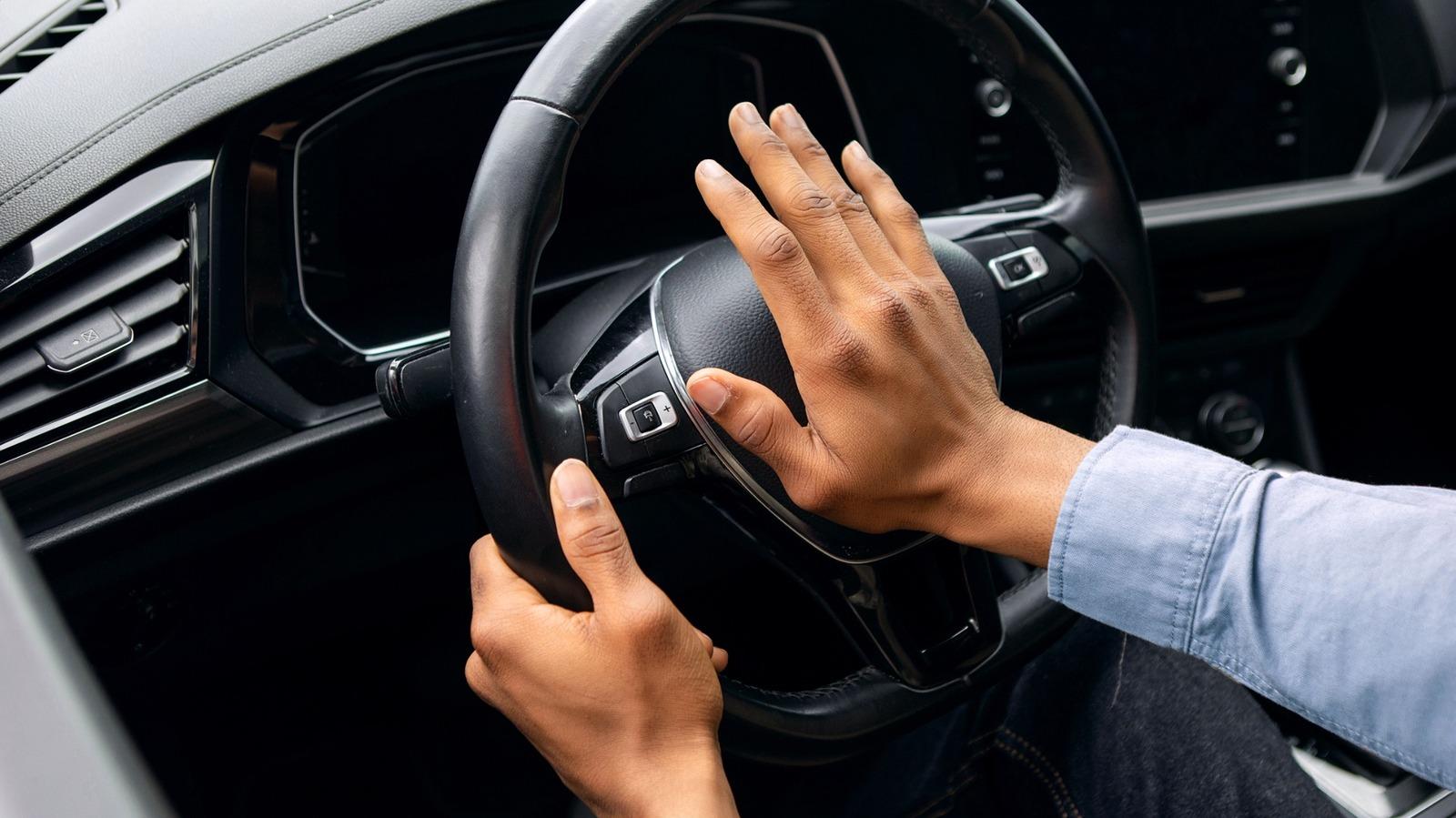
How to Change Your Car’s Horn Sound – Simple Swaps & DIY Tunes
Image: How to Change Your Car’s Horn Sound – Simple Swaps & DIY Tunes – Performance Comparison and Specifications
Ever wondered why the stock horn on your sedan sounds like a tired mosquito while your neighbor’s truck booms like a stadium announcer? You’re not alone. Many drivers crave a horn that matches their personality, vehicle’s character, or simply cuts through city noise more effectively. The good news? There are two main routes to a louder, richer, or even musical horn: a hardware swap or turning yourself into an automotive DJ with electronic modules.
Why Change Your Horn?
Before we dive into the how‑to, let’s talk about the why. A louder horn can improve safety, especially on highways where wind noise masks a weak tone. Some owners replace the stock unit for aesthetics—imagine a turbo‑petrol sports car with a deep, aggressive blast that matches its engine growl. Others are after novelty; think of a classic Ford Mustang that honks a short riff from “Born to Be Wild.”
Method 1: The Classic Hardware Swap
What You’ll Need
- Aftermarket horn kit (piezo or electromagnetic)
- Basic hand tools – socket set, screwdrivers
- Wiring connectors or soldering iron
- Safety gloves and eye protection
Step‑by‑Step Guide
- Locate the stock horn. In most modern cars—think Toyota Camry, Honda Civic, or even an Audi A4 with ADAS—it’s tucked behind the front grille or under the bumper.
- Disconnect the battery (or at least the negative terminal) to avoid accidental shorts.
- Remove the mounting bolts. Keep them; you’ll need them for the new unit.
- Detach the wiring harness. Most horns use a two‑wire connector; note the polarity.
- Install the new horn. Align the holes, bolt it in, and reconnect the harness. If the aftermarket kit comes with a relay, wire it according to the supplied diagram.
- Test the sound. Reconnect the battery, press the horn, and listen. Adjust the pitch or volume using the built‑in potentiometer if the kit includes one.
That’s it—no programming, no apps, just a louder, clearer blast. For a quick visual reference, see Horn Central’s step‑by‑step guide.
Method 2: Becoming an Automotive DJ
If you love gadgets, the electronic route lets you pick anything from a classic air‑raid siren to a custom MP3 clip. This method uses a horn controller module that sits between the steering wheel button and the horn circuit.
Key Components
- Horn controller (e.g., iHorn or HornBot)
- Mini‑amp or soundboard (optional for higher fidelity)
- Pre‑loaded sound files or a USB/SD slot
Installation Overview
- Mount the controller in a dry, protected spot—under the dash works well.
- Splice the controller’s input wires to the existing horn wire (usually a 12 V trigger).
- Connect the output to your aftermarket horn or a speaker‑grade transducer.
- Upload your desired sound files via USB or Bluetooth, then calibrate the volume.
Because this method relies on electronics, you can even set different tones for short vs. long presses—a quick tap could be a “beep‑beep,” while a hold could unleash a full‑blown turbo‑petrol roar.
Design & Dimensions of Popular Horns
| Model | Diameter (mm) | Height (mm) |
|---|---|---|
| Standard OEM (Toyota Camry 2022) | 120 | 55 |
| Piezo Horn Kit (Horizon 12‑V) | 95 | 45 |
| Electromagnetic Horn (Pioneer 6‑B) | 130 | 60 |
| DJ Module (iHorn Pro) | 80 | 30 |
Feature Comparison: Stock vs. Aftermarket vs. DJ Module
| Feature | Stock Horn | Aftermarket Kit | DJ Module |
|---|---|---|---|
| Decibel Level | 100 dB | 115 dB | Variable (80‑130 dB) |
| Power Consumption | 2 A | 2.5 A | 1‑3 A (depends on sound) |
| Installation Complexity | Low | Medium | Medium‑High (wiring + software) |
| Custom Sound Options | No | Limited (tone selector) | Full MP3 library |
| Legal Compliance (US) | Meets FMVSS 108 | Meets FMVSS 108* | Depends on settings* |
*Always verify local regulations before installing a non‑standard sound.
Engine Specifications of Cars Frequently Modified
| Make & Model | Engine | Power (hp) |
|---|---|---|
| Honda Civic Type R 2023 | 2.0 L Turbo‑Petrol | 315 |
| BMW 330i 2022 | 2.0 L Turbo‑Petrol | 255 |
| Tesla Model 3 (Performance) | Dual‑Motor EV | 450 |
| Ford F‑150 Raptor 2021 | 3.5 L Twin‑Turbo V6 | 450 |
Price Comparison: How Much Will It Cost?
| Option | Average Cost (USD) | Installation Time |
|---|---|---|
| OEM Replacement (Dealership) | $250‑$350 | 1‑2 hrs |
| Aftermarket Horn Kit | $70‑$150 | 30‑60 min |
| DJ Module + Speaker | $120‑$250 | 1‑2 hrs |
| Professional Custom Build | $300‑$600 | 2‑3 hrs |
Legal and Safety Considerations
In the United States, FMVSS 108 governs horn performance. The law requires a minimum of 100 dB at 1 m and a sound that is “clearly audible above normal traffic noise.” If you go beyond that, you risk a citation. Europe’s ECE R48 has similar thresholds, while some Asian markets have stricter tone‑shape rules. Always check your local DMV or transport authority before installing a novelty sound.
Personal Story: My First Horn Upgrade
Last summer I swapped the stock horn on my 2019 Subaru WRX for a piezo kit that produced a deep, resonant “whoop‑whoop.” The first time I hit the button in a downtown traffic jam, the reaction was priceless—drivers turned, pedestrians smiled, and a few even asked where I got it. The upgrade not only gave me a confidence boost but also helped me be heard on a rainy morning when the wipers were blaring.
Tips for a Successful Horn Swap
- Test before you bolt. Use a jumper wire to feed 12 V to the new horn and make sure the tone is right.
- Seal all connections. Moisture can cause corrosion, especially on older models with ADAS sensors nearby.
- Keep a spare fuse. A blown fuse is the most common complaint after a DIY install.
- Document your wiring. Take a photo before you cut anything; it saves headaches later.
Conclusion
Changing your car’s horn is one of the most rewarding DIY projects you can tackle. Whether you prefer the straightforward hardware swap for a reliable, louder tone, or you want to unleash your inner DJ with custom audio, the options are plentiful and affordable. Just remember to stay within legal limits, double‑check your wiring, and enjoy the fresh sound that finally matches the character of your ride.
Frequently Asked Questions
- 1. Can I install a new horn on a car with ADAS?
- Yes. Most ADAS‑enabled vehicles have a separate horn circuit, but avoid cutting wires that feed forward‑collision sensors.
- 2. Do I need a relay for an aftermarket horn?
- Most higher‑output horns benefit from a relay to prevent drawing too much current from the steering‑wheel switch.
- 3. Is it legal to use a musical horn?
- It depends on your jurisdiction. In many U.S. states, any horn that exceeds 100 dB or produces a non‑standard tone can be illegal.
- 4. Will a louder horn affect my battery?
- Only marginally. Even a 115 dB horn draws about 2–3 A for a few seconds, which is negligible for a healthy battery.
- 5. Can I keep the original horn as a backup?
- Absolutely. Keep the stock unit and wiring harness; you can reinstall it if you ever need to revert.
- 6. What’s the difference between piezo and electromagnetic horns?
- Piezo horns are lighter, use less power, and often have a sharper tone. Electromagnetic horns are bulkier but deliver a richer, deeper sound.
- 7. Do I need special tools for the DJ module?
- Basic hand tools and a soldering iron (or crimp connectors) are sufficient. Some modules include plug‑and‑play clamps.
- 8. How do I prevent my new horn from sounding distorted?
- Make sure the power supply can handle the peak current and that the wiring gauge is appropriate (typically 18‑AWG or larger).
- 9. Can I program different sounds for short vs. long presses?
- Yes. Most DJ modules have firmware that distinguishes between a tap (<2 seconds) and a hold (>2 seconds).
- 10. Where can I buy reliable aftermarket horns?
- Reputable sources include Amazon, Evo Auto Parts, and specialty shops like Horn Central.