5 Warning Signs It’s Time to Get Your Tires Balanced
5 Warning Signs It’s Time to Get Your Tires Balanced – Stay Safe on the Road
Image: 5 Warning Signs It’s Time to Get Your Tires Balanced – Stay Safe on the Road – Performance Comparison and Specifications
Ever taken a long drive and felt a subtle vibration in the steering wheel that just wouldn’t quit? Or maybe you’ve noticed uneven tire wear after a few months of regular commutes. Those are the kind of clues that your tires are crying out for a balance check. In this post, we’ll walk through the five most common warning signs that it’s time to get your tires balanced, sprinkle in a few real‑world anecdotes, and even throw in some handy tables to help you compare tire specs, design dimensions, and price points. Let’s keep your ride smooth, safe, and budget‑friendly.
Why Tire Balancing Matters
Balancing your tires isn’t just about a smoother ride; it’s a critical safety measure. When a tire is out of balance, the uneven weight distribution creates a wobble that can affect handling, fuel efficiency, and the lifespan of suspension components. Modern cars equipped with ADAS (Advanced Driver‑Assistance Systems) rely on stable wheel dynamics for lane‑keep assist and automatic emergency braking to work correctly. An unbalanced tire can send false signals to these systems, reducing their effectiveness.
Warning Sign #1: Steering Wheel Vibration at Certain Speeds
One of the classic symptoms is a shudder that appears between 50 mph and 70 mph. I remember a summer road trip in a BMW 330i turbo‑petrol where the steering wheel started trembling at exactly 65 mph. The cause? A single wheel that had lost its balance after hitting a pothole.
What to Look For
- Vibration that fades when you slow down.
- Feels like a subtle “wiggle” rather than a full‑blown shake.
- Often more noticeable on the driver’s side.
Warning Sign #2: Uneven Tire Wear
Take a close look at the tread. If one side of the tire is wearing faster than the other, it’s a red flag. This can happen when the tire’s mass isn’t evenly distributed, causing the inner or outer edge to make more contact with the road.
Quick Inspection Tip
Park your car on a flat surface, pull the tires off, and compare the wear patterns. If you see a cupping or feathering effect, it’s time to book a balancing appointment.
Warning Sign #3: Pulling to One Side
Ever felt your car drift slightly to the left or right even when you keep the steering centered? While alignment issues are a common culprit, an unbalanced tire can produce a similar sensation. I once drove a Mercedes‑C300 that kept pulling right after a tire swap—balancing the wheels solved the problem instantly.
Warning Sign #4: Excessive Road Noise
Balancing helps dampen vibrations that translate into cabin noise. If you notice a new humming or droning sound that seems to rise with speed, it could be an out‑of‑balance issue.
Warning Sign #5: Decreased Fuel Efficiency
When wheels aren’t balanced, the engine works harder to maintain speed, burning more fuel. A friend of mine who drives a Volkswagen Golf GTI turbo‑petrol saw a 0.5 L/100 km increase in fuel consumption after a tire hit a curb—balancing brought it back to normal.
Design & Dimensions – Quick Reference
| Model | Width (mm) | Diameter (in) |
|---|---|---|
| Michelin Pilot Sport 4 | 225 | 18 |
| Continental PremiumContact 6 | 235 | 19 |
| Pirelli Cinturato P7 | 215 | 17 |
Feature Comparison
| Feature | Michelin Pilot Sport 4 | Continental PremiumContact 6 |
|---|---|---|
| Wet Grip | Excellent | Very Good |
| Dry Grip | Superior | Excellent |
| Longevity (km) | 45,000 | 40,000 |
Engine Specifications (For Vehicles Often Paired with These Tires)
| Vehicle | Engine Type | Power (hp) |
|---|---|---|
| BMW 330i | Turbo‑Petrol 2.0L | 255 |
| Mercedes‑C300 | Turbo‑Petrol 2.0L | 255 |
| VW Golf GTI | Turbo‑Petrol 2.0L | 241 |
Price Comparison
| Brand | Set of 4 (USD) | Balance Service (USD) |
|---|---|---|
| Michelin | 560 | 45 |
| Continental | 520 | 40 |
| Pirelli | 480 | 38 |
How Often Should You Balance Your Tires?
Most manufacturers recommend a balance check every 5,000 to 6,000 miles, or after any major impact (like hitting a curb or pothole). If you notice any of the warning signs above, don’t wait for the next scheduled service.
DIY vs. Professional Balancing
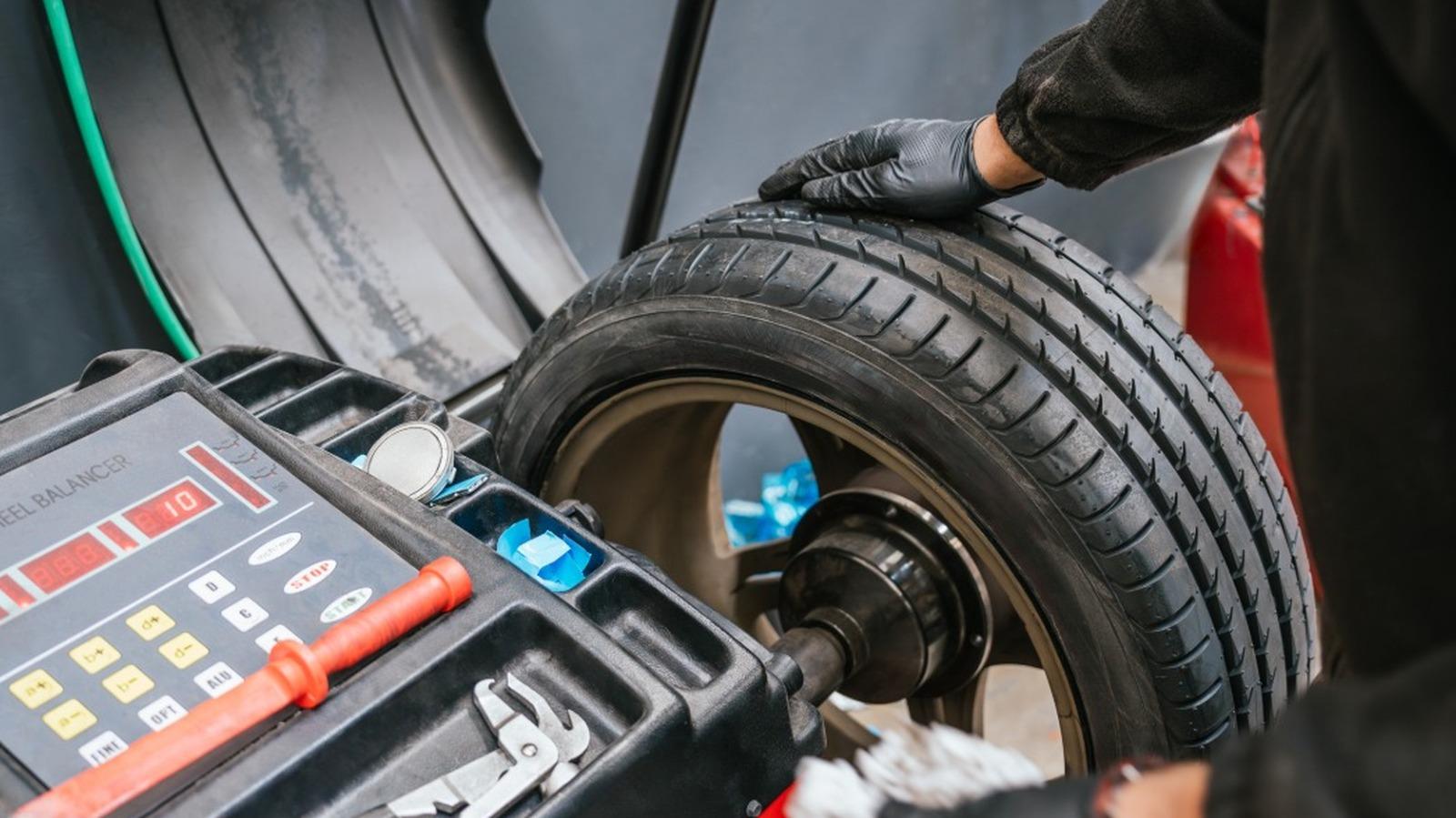
While there are home kits available, professional shops use a static and dynamic balancer that can pinpoint the exact spot where weight needs to be added. This ensures precision—especially important for vehicles equipped with torque‑vectoring or all‑wheel‑drive systems.
Conclusion
Keeping your tires balanced is one of those maintenance tasks that often goes unnoticed—until the symptoms appear. By staying alert to vibrations, uneven wear, pulling, road noise, and fuel spikes, you can catch an imbalance early, protect your suspension, and keep your ADAS features working as intended. Schedule a balance check today, and you’ll thank yourself on the next long highway stretch.
FAQ
- Q: How long does a tire‑balancing service take?
A: Typically 30‑45 minutes for a set of four wheels. - Q: Can I balance my tires myself?
A: Yes, but professional equipment provides better accuracy, especially for high‑performance models. - Q: Will unbalanced tires affect my car’s warranty?
A: Indirectly, yes—excessive wear or suspension damage caused by imbalance could be deemed neglect. - Q: Does tire pressure affect balance?
A: Proper pressure is essential, but it doesn’t replace the need for balancing. - Q: How often should I rotate my tires?
A: Every 5,000‑7,500 miles or as recommended in your owner’s manual. - Q: Is balancing needed after installing new tires?
A: Absolutely—new tires are never perfectly balanced out of the box. - Q: Will an unbalanced tire trigger ADAS alerts?
A: It can cause false readings for lane‑keep assist and stability control. - Q: Does the type of vehicle matter?
A: High‑performance and turbo‑petrol engines amplify the symptoms, but any vehicle benefits. - Q: Can tire balancing improve fuel economy?
A: Yes—balanced wheels reduce rolling resistance, which can improve MPG by up to 0.5 L/100 km. - Q: Where can I find a reputable tire‑balancing service?
A: Check local certified shops or national chains; many list their services on their websites, such as Tire Rack for easy booking.
Stay safe, stay balanced, and enjoy every mile.