What’s Included in Mazda’s i‑Activsense Safety Suite? A Complete Guide
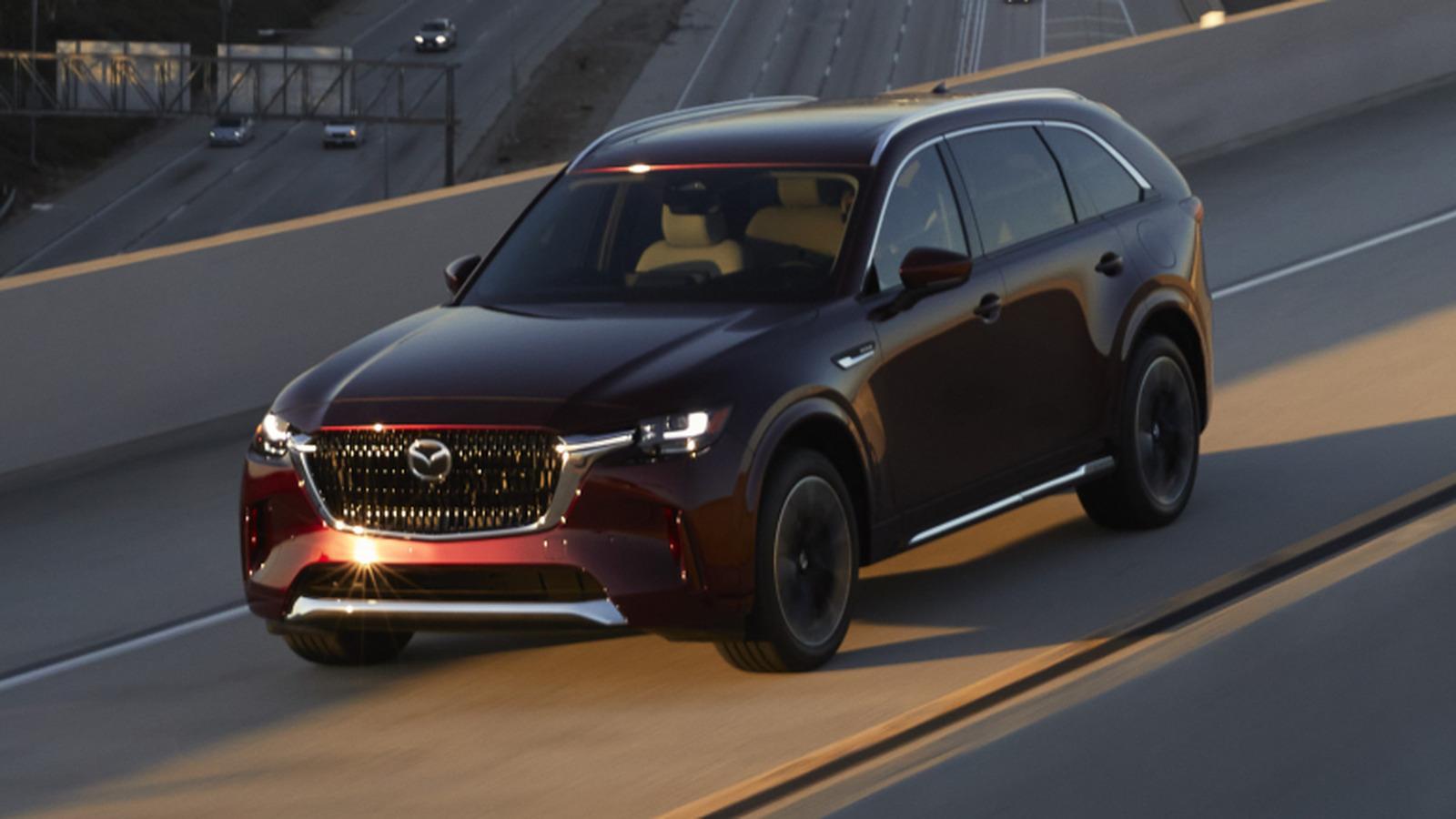
What’s Included in Mazda’s i‑Activsense Safety Suite? A Complete Guide
Image: What’s Included in Mazda’s i‑Activsense Safety Suite? A Complete Guide – Performance Comparison and Specifications
When you step into a Mazda today, you’re not just getting a sleek design and a punchy turbo‑petrol engine – you’re also stepping into a world of advanced driver‑assistance systems (ADAS) that aim to keep you safe and confident on the road. Mazda calls its suite of safety technologies i‑Activsense, and while the name might sound high‑tech, the features are surprisingly intuitive. In this article, we’ll break down every component of the i‑Activsense suite, compare it to rivals, and show you why it’s worth paying attention to when you shop for a new car.
Why Mazda’s i‑Activsense Matters
Back in 2016, Mazda introduced i‑Activsense as a direct response to the growing demand for collision‑avoidance and driver‑support technologies. Since then, the suite has evolved, adding radar, cameras, and sophisticated algorithms that work together like a well‑rehearsed orchestra. For owners of the official i‑Activsense page, the promise is simple: fewer accidents, smoother traffic‑jam navigation, and a more relaxed driving experience.
Core Components of the i‑Activsense Suite
1. Mazda Radar Cruise Control (MRCC)
MRCC isn’t just a set‑and‑forget cruise system. Using a long‑range radar sensor, it maintains a preset distance from the vehicle ahead, automatically adjusting speed as traffic slows or speeds up. In heavy traffic, it can bring the car to a complete stop and resume moving once the road clears – a feature many call stop‑and‑go cruise.
2. Smart City Brake Support (SCBS)
SCBS is Mazda’s answer to low‑speed collisions in urban settings. When the forward‑facing camera detects a vehicle, cyclist, or pedestrian within 30 meters, the system alerts the driver and, if needed, applies the brakes automatically. It’s a subtle safety net that can reduce rear‑end crashes by up to 70%.
3. Lane‑Keep Assist (LKA) & Lane Departure Warning (LDW)
The camera‑based lane‑keeping system gently steers the car back into its lane if it senses unintentional drifting. When combined with LDW, a visual and audible cue warns you before any correction is needed, helping you stay centered on highways and country roads alike.
4. Blind Spot Monitoring (BSM) & Rear Cross‑Traffic Alert (RCTA)
BSM uses radar sensors mounted in the rear bumper to detect vehicles in your blind spot, flashing an icon in the side mirror. RCTA adds another layer by alerting you if a crossing vehicle is approaching as you reverse out of a parking space.
5. Traffic Sign Recognition (TSR)
By reading road signs through a forward‑facing camera, TSR displays speed limits, stop signs, and other important information on the driver‑display. It’s a small convenience that can keep you from unintentionally speeding.
Design & Dimensions of the Latest Mazda Models
| Model | Length (mm) | Wheelbase (mm) |
|---|---|---|
| Mazda3 | 4,660 | 2,720 |
| Mazda CX‑5 | 4,550 | 2,700 |
| Mazda CX‑9 | 5,065 | 2,945 |
| Mazda MX‑5 Miata | 3,915 | 2,300 |
Feature Comparison: Mazda vs. Competitors
| Feature | Mazda i‑Activsense | Honda Sensing | Toyota Safety Sense |
|---|---|---|---|
| Adaptive Cruise | MRCC (up to 150 km/h) | ACC (up to 130 km/h) | PCS (up to 140 km/h) |
| Low‑Speed Braking | SCBS | CMBS | PCS |
| Lane‑Keeping | LKA + LDW | LKA + LDW | LKA + LDW |
| Blind‑Spot | BSM | BSI | BSM |
| Traffic Sign Recog. | TSR | None | TSR (US models) |
Engine Specifications of Popular i‑Activsense‑Equipped Models
| Model | Engine | Power (hp) |
|---|---|---|
| Mazda3 | 2.5‑L SKYACTIV‑G | 186 |
| Mazda3 Turbo | 2.5‑L SKYACTIV‑G Turbo | 250 |
| CX‑5 | 2.5‑L SKYACTIV‑G | 187 |
| CX‑5 Turbo | 2.5‑L SKYACTIV‑G Turbo | 256 |
| CX‑9 | 2.5‑L SKYACTIV‑G Turbo | 250 |
Price Comparison: i‑Activsense vs. Base Models
| Model | Base MSRP | i‑Activsense‑Ready MSRP | Price Gap |
|---|---|---|---|
| Mazda3 | $22,500 | $24,700 | $2,200 |
| Mazda3 Turbo | $28,800 | $31,500 | $2,700 |
| CX‑5 | $27,350 | $30,150 | $2,800 |
| CX‑9 | $35,000 | $38,900 | $3,900 |
| MX‑5 Miata | $28,000 | $30,300 | $2,300 |
How i‑Activsense Enhances Everyday Driving
Imagine you’re commuting to work on a rainy Monday. Visibility is low, traffic is crawling, and you’re juggling coffee, a briefcase, and a nervous toddler in the back seat. With i‑Activsense engaged, MRCC automatically adjusts your speed to the flow of traffic, while SCBS watches for the car ahead that suddenly brakes. If you drift out of your lane while checking the navigation, LKA nudges the steering wheel back, and a gentle chime reminds you to refocus.
On a weekend road‑trip, the Blind‑Spot Monitoring becomes a silent co‑pilot, flashing a warning as you change lanes on a winding mountain pass. When you finally pull into a tight parking spot, RCTA alerts you to a cyclist crossing behind your vehicle – a scenario that could otherwise end in a costly scrape.
Future‑Proofing with i‑Activsense
One of Mazda’s selling points is that i‑Activsense isn’t a static package; it’s designed to evolve through over‑the‑air updates (where supported) and new sensor calibrations. Owners of newer models like the 2024 Mazda CX‑5 can expect incremental improvements to lane‑keeping precision and expanded traffic‑sign databases, keeping the car relevant for years to come.
Is i‑Activsense Worth the Extra Cost?
The price gaps shown in the table above may seem modest, but the peace of mind they deliver is priceless. Independent crash‑test agencies consistently rank Mazda vehicles with i‑Activsense among the top performers in the compact and midsize SUV segments. If you value reduced insurance premiums, lower accident risk, and a smoother daily commute, the investment pays for itself.
Conclusion
From radar‑guided cruise control to intelligent brake support, Mazda’s i‑Activsense safety suite packs a punch that rivals any major automaker’s ADAS offerings. Whether you’re behind the wheel of a turbo‑petrol Mazda3, a family‑friendly CX‑9, or the sporty MX‑5, the suite works quietly in the background, letting you focus on what matters – the joy of driving. As manufacturers race toward ever‑more autonomous features, Mazda’s human‑centric approach ensures that technology serves the driver, not the other way around.
FAQ
1. Does i‑Activsense work on all Mazda models?
Most 2021‑and‑newer Mazda models come with i‑Activsense as an option or standard feature, but entry‑level trims may require an extra package.
2. Can I turn off individual i‑Activsense functions?
Yes, each feature (e.g., LKA, BSM) can be toggled on or off through the vehicle’s infotainment menu.
3. Is i‑Activsense compatible with aftermarket accessories?
Generally, it works fine with most accessories, but adding roof racks or large spoilers can affect radar performance.
4. How does i‑Activsense compare to Tesla’s Autopilot?
While Tesla focuses on full‑self‑driving capabilities, i‑Activsense emphasizes driver assistance and safety without aiming for full autonomy.
5. Does i‑Activsense include pedestrian detection?
Yes, SCBS can detect pedestrians at low speeds and will apply emergency braking if needed.
6. Will i‑Activsense reduce my insurance premium?
Many insurers offer discounts for vehicles equipped with ADAS, but the exact reduction varies by provider.
7. How often does Mazda update the i‑Activsense software?
Software updates are typically released once or twice a year, often delivered via dealership service or OTA where available.
8. Can i‑Activsense function without a GPS signal?
Most features rely on radar and cameras, so they remain operational even when GPS is unavailable.
9. Is there a subscription fee for any i‑Activsense features?
No, all core safety functions are included in the purchase price; only optional connectivity services may have a subscription.
10. What maintenance is required for i‑Activsense sensors?
Keep the cameras and radar lenses clean of dirt, snow, or stickers. A visual inspection during regular service is usually sufficient.