What Your Engine Oil Color Reveals About Your Car’s Health
What Your Engine Oil Color Reveals About Your Car’s Health
Image: What Your Engine Oil Color Reveals About Your Car’s Health – Performance Comparison and Specifications
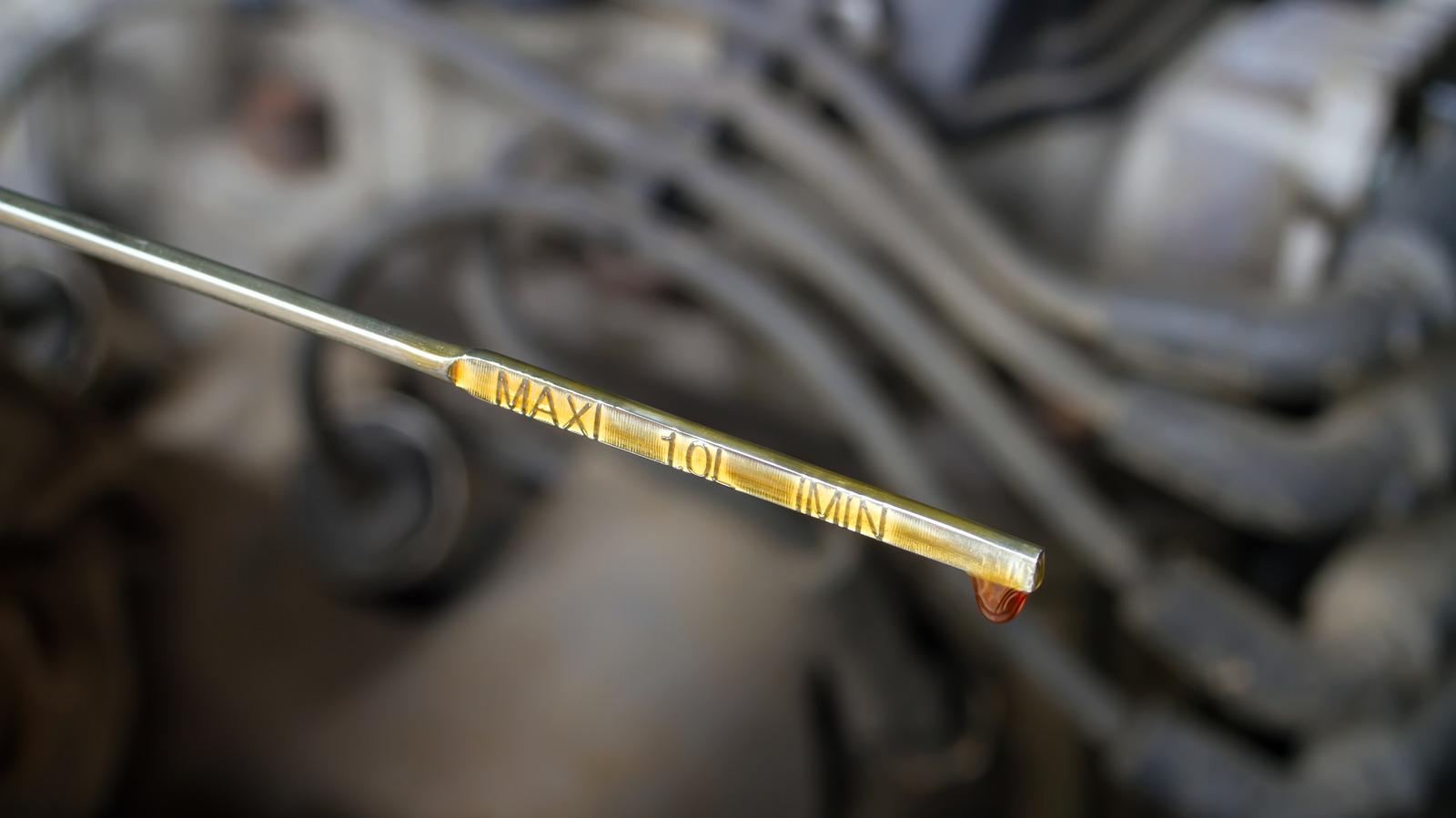
Ever glanced at the dipstick and wondered what that amber‑gold liquid is trying to tell you? The truth is, the hue of your engine oil is more than just a shade—it’s a diagnostic clue. From a fresh turbo‑petrol engine to a high‑tech hybrid equipped with ADAS systems, the oil’s color can hint at wear, contamination, or even impending failure. In this guide we’ll break down the most common oil colors, what they mean, and how to act before a small issue turns into a costly repair.
Why Oil Color Matters
Engine oil does three critical jobs: lubricate moving parts, carry heat away, and trap contaminants. As it performs these tasks, its appearance changes. While modern synthetic blends are engineered to stay clear longer, older mineral oils darken quickly. By paying attention to the dipstick, you get a real‑time health check without a fancy scanner.
Typical Oil Colors and Their Meanings
1. Clear or Light Amber
This is the ideal state for fresh oil—whether you’ve just done a change on a 2022 BMW M340i or a 2023 Toyota RAV4 Hybrid. Clear oil means the additives are still effective, and there’s little soot or metal wear in the system.
2. Dark Amber to Light Brown
After a few hundred miles, oil naturally darkens as it picks up microscopic particles. This is normal for most gasoline engines, including the Ford Mustang GT with its turbo‑petrol V8. If the oil still feels slick and smells normal, you’re fine—just keep an eye on the mileage.
3. Chocolate Brown or Black
A deep brown or black shade signals heavy soot buildup, often from short trips where the engine never reaches full operating temperature. Diesel engines, like the Volkswagen Golf TDI, are especially prone. Black oil can also indicate a worn piston ring or a leaking turbocharger—issues that deserve a professional inspection.
4. Milky or Frothy
If you spot a milky, creamy layer, water or coolant has entered the oil pan. This is a red‑flag for a blown head gasket or a cracked block, problems that can quickly ruin an ADAS-equipped vehicle like the 2024 Mercedes‑EQ EQS. Stop driving immediately and have the engine flushed.
5. Red or Pink
Any reddish tint points to transmission fluid mixing with the engine oil—usually a sign of a failed seal. While rare, it can happen in vehicles with integrated transmission‑oil coolers, such as certain models of the Subaru WRX. A quick repair can prevent catastrophic engine damage.
Factors That Influence Oil Color
Beyond normal wear, several external factors can alter oil appearance:
\
- Fuel Type: Diesel soot tends to darken oil faster than gasoline.
- Driving Habits: Frequent stop‑and‑go traffic keeps the engine cooler, encouraging moisture buildup.
- Oil Type: Conventional mineral oil darkens quicker than full‑synthetic blends.
- Temperature Extremes: Cold climates can cause condensation, leading to milky oil.
How to Test and Interpret Your Oil
Here’s a quick, step‑by‑step routine you can do at home:
- Warm up the engine for a few minutes.
- Turn off the vehicle and wait a minute for the oil to settle.
- Pull the dipstick, wipe it clean, re‑insert fully, then pull it out again.
- Observe the color and note any unusual smells (burnt, sweet, or milky).
- Compare your findings with the tables below.
For a deeper dive, check out this engine oil color guide from a trusted automotive resource.
Design & Dimensions of Common Oil Filters
| Filter Model | Dimensions (mm) | Weight (g) |
|---|---|---|
| Mann-Filter C 9 105 | 115 x 85 x 50 | 210 |
| Bosch 3323 | 120 x 90 x 55 | 230 |
| Fram Ultra 5.0 | 110 x 80 x 48 | 190 |
| K&N HP-1005 | 118 x 87 x 52 | 215 |
Feature Comparison of Oil Types
| Feature | Conventional | Synthetic Blend | Full Synthetic |
|---|---|---|---|
| Viscosity Stability | Low | Medium | High |
| Change Interval (miles) | 3,000‑5,000 | 5,000‑7,500 | 7,500‑10,000 |
| Cold‑Start Protection | Moderate | Good | Excellent |
| Cost per Quart | $5‑$7 | $7‑$10 | $10‑$15 |
Engine Specifications Where Oil Color Is Critical
| Model | Engine Type | Recommended Oil |
|---|---|---|
| BMW M340i | 3.0L Turbo‑Petrol | 5W‑30 Full Synthetic |
| Toyota RAV4 Hybrid | 2.5L Hybrid | 0W‑20 Synthetic Blend |
| Ford F‑150 | 3.5L EcoBoost | 5W‑20 Full Synthetic |
| Mercedes‑EQ EQS | Electric (Oil‑Free) | N/A |
Price Comparison of Popular Oil Brands
| Brand | 5‑Quart Pack | Typical Retail Price | Best For |
|---|---|---|---|
| Mobil 1 | 5.0 L | $45‑$55 | High‑Performance Turbo‑Petrol Engines |
| Castrol Edge | 5.0 L | $42‑$50 | Daily Drivers & Hybrids |
| Valvoline SynPower | 5.0 L | $40‑$48 | Cold Climate Vehicles |
| Shell Rotella | 5.0 L | $38‑$46 | Diesel Trucks & SUVs |
What To Do When Your Oil Looks Off
Seeing an unexpected color? Here’s a quick decision tree:
- Clear to Light Amber: No action needed, just log the mileage.
- Dark Brown/Black: Change oil at the next service; consider a short‑trip‑only driving pattern for the next 100 miles.
- Milky: Stop driving. Have a mechanic perform a compression test.
- Red/Pink: Inspect seals and transmission fluid lines; schedule a repair within 100 miles.
Remember, the cost of a quick oil change is nothing compared to a rebuilt engine.
Conclusion
Engine oil may seem like a silent partner, but its color is a vivid message about your vehicle’s health. By routinely checking the dipstick, you empower yourself to catch wear, contamination, or serious leaks before they become expensive repairs. Whether you drive a turbo‑petrol Honda Civic Type R, a hybrid with advanced ADAS features, or a diesel workhorse, the principles stay the same: clear oil equals peace of mind, dark or milky oil equals action required. Keep an eye on that hue, and your car will thank you with smoother rides and longer life.
FAQ
- Q1: How often should I check my engine oil color?
- A: At least once a month, or before long trips. It’s a quick habit that can save thousands.
- Q2: Does synthetic oil stay clear longer than conventional?
- A: Yes. Full synthetics resist oxidation, so they retain a lighter shade for more miles.
- Q3: My oil is dark but smells normal—should I still change it?
- A: If you’re within the recommended service interval, you can wait. Dark oil alone isn’t a failure sign.
- Q4: Can fuel type affect oil color?
- A: Diesel engines tend to produce soot that darkens oil faster than gasoline engines.
- Q5: Why does my oil look milky after a rainy season?
- A: Condensation can form in the crankcase, especially in short trips that don’t heat the engine fully.
- Q6: Is red oil always a transmission leak?
- A: Typically, yes. It indicates ATF mixing with engine oil, which points to a seal failure.
- Q7: Should I use a different oil for a turbo‑petrol engine?
- A: Turbocharged engines benefit from high‑temperature stability, so a high‑quality full synthetic is recommended.
- Q8: How does ADAS affect oil maintenance?
- A: ADAS relies on sensors that can be affected by excessive oil sludge; clean oil helps keep those sensors accurate.
- Q9: Can I add oil additives to improve color?
- A: Additives can help clean, but they won’t reverse severe contamination. A proper oil change is best.
- Q10: What’s the best way to dispose of old oil?
- A: Take it to a certified recycling center or an auto shop that accepts used oil.