What Actually Happens to Tire Tread When It Wears Away – Is It Harmful?
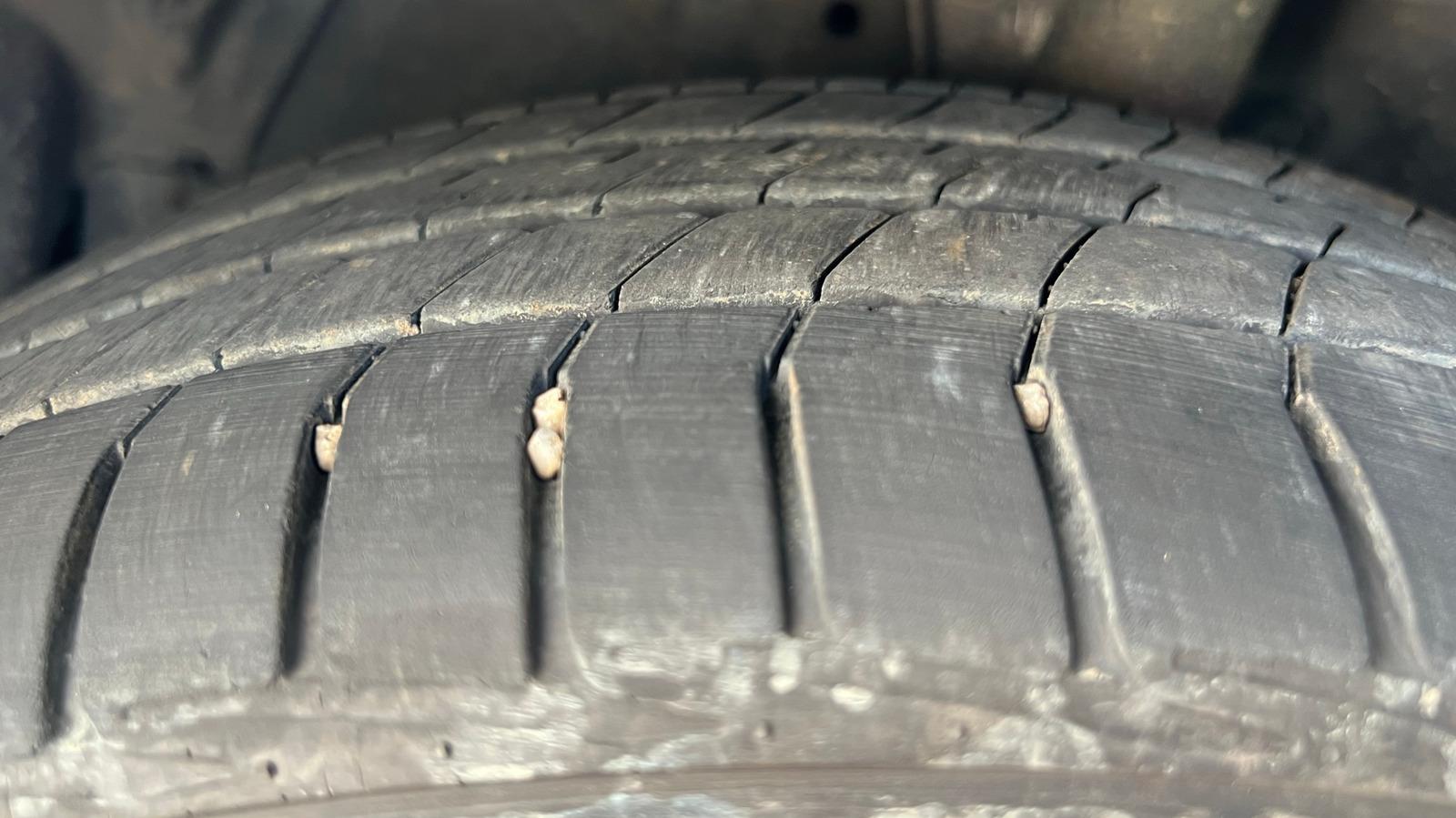
What Actually Happens to Tire Tread When It Wears Away – Is It Harmful?
Image: What Actually Happens to Tire Tread When It Wears Away – Is It Harmful? – Performance Comparison and Specifications
When you glance at the rubber that hugs your wheels, it’s easy to assume it’s just a piece of rubber that will last forever. In reality, the tread is a carefully engineered blend of polymers, silica, and carbon black that slowly degrades every time you hit the road. Whether you drive a turbo‑petrol sports sedan, a hybrid crossover, or an all‑electric SUV, the way the tread wears away has direct safety implications and even environmental consequences.
How Tire Tread Is Designed
Modern tires start life as a stack of layers – a steel or fabric belt, sidewalls, and the outer tread. The tread itself is formulated to balance grip, durability, and noise. The Tire Industry Association notes that high‑performance tires often contain more silica for better wet traction, while eco‑focused tires lean toward softer compounds that reduce rolling resistance.
| Parameter | Typical Value | Notes |
|---|---|---|
| Width | 205–235 mm | Depends on vehicle class |
| Aspect Ratio | 55–65% | Height‑to‑width proportion |
| Diameter | 16–20 inches | Matches wheel size |
| Compound | Silica‑reinforced rubber | Optimizes grip & wear |
The Science of Wear
Every time the tire rolls, tiny particles of rubber are ripped away by friction and heat. The process can be broken down into three stages:
1. Initial Abrasion
New tires have a relatively smooth surface. As you accelerate, brake, and corner, the tread blocks begin to bite into the pavement, shedding microscopic flakes.
2. Uniform Grinding
After a few thousand miles, the wear pattern evens out. This is where the tread depth drops from the factory‑rated 10–12 mm down toward the legal minimum.
3. Edge Cutting
When the depth falls below about 3 mm, the tread ribs start to thin dramatically, leading to sharper edges that can actually increase noise and reduce fuel efficiency.
When Tread Depth Gets Low – Is It Harmful?
The most obvious risk is reduced traction, especially on wet roads. Studies from the National Highway Traffic Safety Administration (NHTSA) show that stopping distances can increase by up to 30 % when tread depth falls below the legal 1.6 mm threshold. In addition:
- Hydroplaning becomes more likely because water can’t escape through the tread channels.
- Cornering stability drops as the tire’s contact patch shrinks.
- Fuel consumption climbs slightly; the tire’s ability to roll efficiently diminishes.
Environmental Impact of Worn Tread
Worn tires are a hidden source of micro‑plastic pollution. As the rubber particles break free, they travel in stormwater runoff, eventually reaching oceans and rivers. A 2022 study published in Environmental Science & Technology estimated that a single passenger car can release up to 2 kg of tire‑derived microplastics per year.
Electric vehicles, while cleaner at the tailpipe, still suffer from this “tire dust” problem. In fact, the higher torque of many EVs can accelerate tread wear if low‑rolling‑resistance tires aren’t selected.
| Feature | All‑Season | Performance | Eco‑Focused |
|---|---|---|---|
| Typical Longevity | 45,000 km | 30,000 km | 60,000 km |
| Wet Grip | Good | Excellent | Moderate |
| Rolling Resistance | Medium | High | Low |
| Microplastic Release (g/1000 km) | 1.8 | 2.4 | 1.2 |
Engine Types and Their Influence on Tread Wear
Different powertrains put varying stresses on the tires. Below is a quick snapshot of how a turbo‑petrol, a hybrid, and an electric drivetrain compare.
| Engine Type | Peak Torque (Nm) | Typical Torque Delivery | Impact on Tread |
|---|---|---|---|
| Turbo‑Petrol | 300–350 | Mid‑range, spiky | Moderate wear, especially under aggressive driving |
| Hybrid (Mild) | 250–300 | Blended electric‑assist | Smoother acceleration, slightly lower wear |
| Battery‑EV | 400–500 | Instant torque from 0 rpm | Higher initial wear if not matched with low‑resistance tires |
How to Prolong Tread Life
Keeping your tread in shape isn’t just about safety; it also helps curb that micro‑plastic tide.
- Maintain proper pressure. Under‑inflated tires increase sidewall flex, accelerating wear.
- Rotate regularly. A typical 5,000‑km rotation schedule evens out wear across all four corners.
- Check alignment. Mis‑aligned wheels can create feather‑edge wear on one side.
- Choose the right tire. For daily commuting, an eco‑focused tire with low rolling resistance will last longer and shed fewer particles.
- Avoid aggressive cornering. The harder you “dig” the tire into the road, the faster the tread thins.
| Brand | Model | Price (USD) | Avg. Lifespan (km) |
|---|---|---|---|
| Michelin | Energy Saver A/S | 120 | 55,000 |
| Continental | SportContact 5 | 140 | 35,000 |
| Bridgestone | Ecopia EP300 | 110 | 60,000 |
| Pirelli | Cinturato P7 | 130 | 50,000 |
Conclusion
Whether you drive a turbo‑petrol coupe, a hybrid SUV, or an electric hatchback, the tread on your tires is a silent workhorse that protects you, your car, and the planet. Letting it wear below the legal limit isn’t just a safety risk—it contributes to a growing tide of tire‑derived microplastics that end up in our waterways. By staying on top of pressure, rotation, and choosing the right tire for your driving style, you can keep the tread—and the environment—healthy for miles to come.
Frequently Asked Questions
- 1. At what depth should I replace my tires?
- The legal minimum in most countries is 1.6 mm, but many experts recommend 3 mm for optimal wet performance.
- 2. Can I use a tire pressure monitoring system (TPMS) with EVs?
- Yes, TPMS works with any vehicle; it’s especially useful for EVs because low rolling resistance tires operate at tighter pressure windows.
- 3. Do all‑season tires wear faster than winter tires?
- Generally, all‑season tires strike a balance and may last slightly longer than high‑performance winter tires, which have softer compounds.
- 4. How does ADAS affect tire wear?
- Advanced Driver‑Assistance Systems like automatic emergency braking can actually reduce abrupt stops, slowing tread loss.
- 5. Is it true that EVs wear tires faster?
- Higher torque can increase wear, but using low‑rolling‑resistance, high‑durability tires mitigates the effect.
- 6. What’s the best way to check tread depth?
- A simple penny test works: insert a U.S. penny with Lincoln’s head down; if you can see the top of Lincoln’s head, the tread is below 2 mm.
- 7. Do run‑flat tires wear differently?
- Run‑flat constructions are stiffer, which can lead to a slightly higher wear rate on the outer edges.
- 8. Can tire wear affect fuel economy?
- Yes, uneven or low tread increases rolling resistance, which can reduce fuel efficiency by 1‑2 %.
- 9. How do I recycle worn tires?
- Many municipalities offer tire‑drop programs; recycled rubber can be turned into playground surfaces or road asphalt.
- 10. Should I buy the cheapest tires to reduce cost?
- Cheaper tires often use lower‑quality compounds that wear faster and may release more microplastics, so a mid‑range tire is usually a better long‑term investment.