India’s Car Industry Eyes High Q4 Sales To Achieve 8% Growth In FY2026
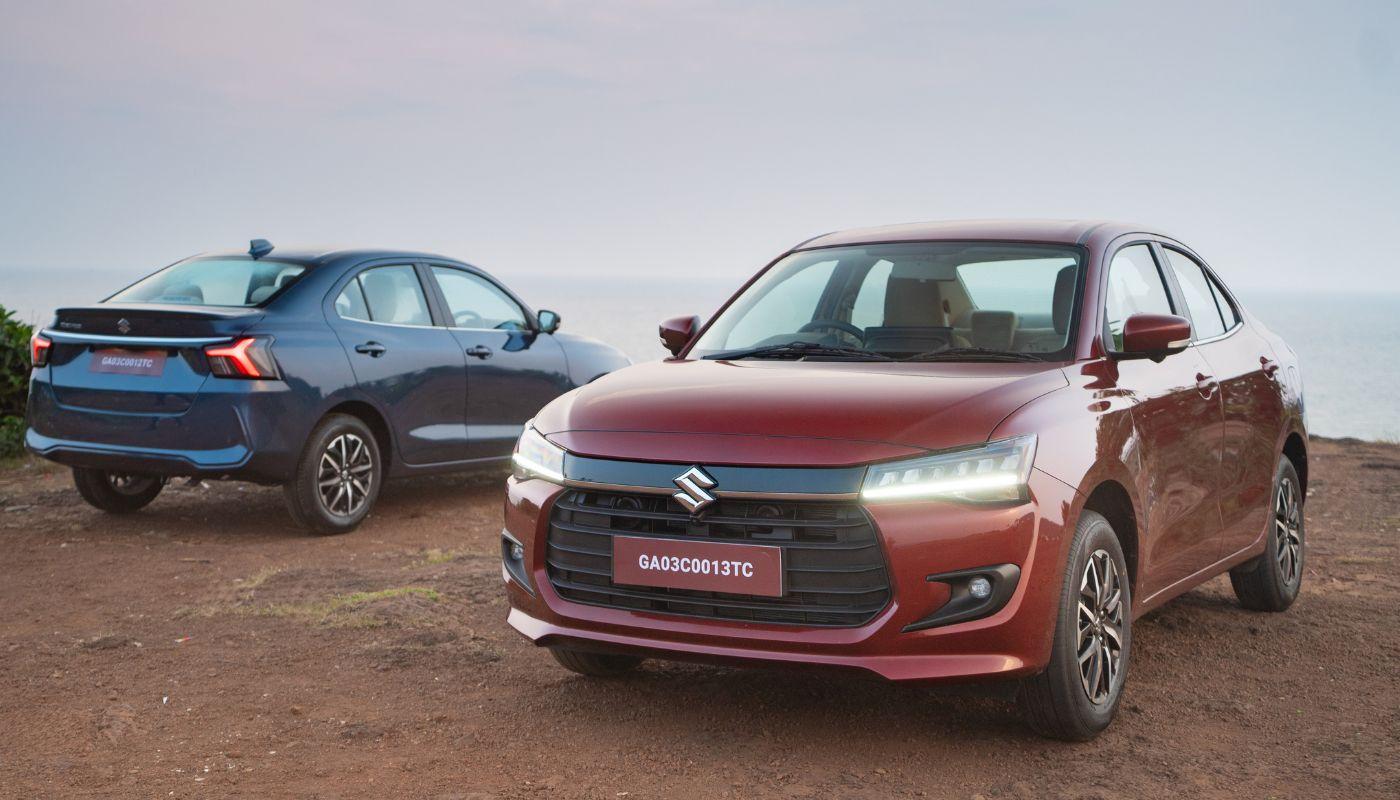
India’s Car Industry Eyes High Q4 Sales To Achieve 8% Growth In FY2026
Image: India’s Car Industry Eyes High Q4 Sales To Achieve 8% Growth In FY2026 – Performance Comparison and Specifications
By Surendhar M. – GaadiWaadi.com
Introduction
As the calendar flips to the final months of the fiscal year, every automaker in India is sharpening its pencils and revving up production lines. The goal? To close FY2026 with an eight‑percent growth and a record 4.73 million passenger‑vehicle units sold. That translates to a massive push in the January–March quarter – the decisive Q4 that will either cement the industry’s comeback or leave it scrambling for a safety net.
Why FY2026 Is a Pivotal Year
The Indian car market has been on a roller‑coaster ride since 2020, battling supply‑chain hiccups, fluctuating fuel prices, and a shift toward greener mobility. Yet, consumer confidence is bouncing back, and new‑model launches are flooding showrooms. Analysts from GaadiWaadi predict that if manufacturers can lock in strong Q4 numbers, the FY26 target of 8 % growth is well within reach.
Key Drivers of Q4 Sales Surge
- Seasonal demand: Festive discounts, loan subsidies, and the traditional year‑end buying rush give sales a natural lift.
- Launch of premium‑segment models: New turbo‑petrol and ADAS‑enabled vehicles are attracting aspirational buyers.
- Government incentives: Tax breaks for BS‑VI compliant cars and subsidies for electric hybrids are nudging buyers toward newer, cleaner options.
- Financing flexibility: Banks are offering lower EMIs and longer tenures, making higher‑priced models more affordable.
Top Performing Models Expected to Lead the Charge
While the industry’s success will be a collective effort, a handful of models are positioned to be the sales workhorses in Q4. Below, we compare their design, features, engine specs, and price points. All data are sourced from manufacturer releases and dealer listings as of December 2025.
| Model | Length (mm) | Width (mm) | Height (mm) |
|---|---|---|---|
| Maruti Suzuki Swift | 3,845 | 1,735 | 1,515 |
| Hyundai Creta | 4,300 | 1,800 | 1,630 |
| Kia Seltos | 4,370 | 1,800 | 1,610 |
| Tata Nexon | 3,993 | 1,857 | 1,616 |
Design & Dimensions
The dimensions above illustrate why compact hatchbacks like the Swift still dominate urban streets, while SUVs such as the Creta and Seltos are gaining ground in suburban corridors.
| Feature | Swift | Creta | Seltos | Nexon |
|---|---|---|---|---|
| Touchscreen Infotainment | 7‑inch | 10.25‑inch | 10.25‑inch | 8‑inch |
| ADAS Package | Not available | Lane‑keep Assist | Full‑suite (ACC, LKA) | Partial (AEB) |
| Sunroof | Optional | Panoramic | Panoramic | Optional |
| Boot Space (L) | 265 | 433 | 433 | 350 |
Feature Comparison
Advanced driver‑assist systems (ADAS) are becoming a differentiator. While the Swift sticks to basics, the Creta and Seltos push the envelope with adaptive cruise control and lane‑keeping assist. The Nexon offers a middle ground with an emergency braking system that appeals to safety‑conscious families.
| Engine Type | Swift | Creta | Seltos | Nexon |
|---|---|---|---|---|
| Petrol | 1.2 L K12M (87 PS) | 1.5 L U2 (115 PS) | 1.5 L U2 (115 PS) | 1.2 L Revotron (118 PS) |
| Turbo‑Petrol | – | 1.5 L Kappa (150 PS) | 1.5 L Kappa (150 PS) | 1.5 L Turbo (150 PS) |
| Diesel | – | 1.5 L D4 (115 PS) | – | 1.5 L Revotorq (115 PS) |
| Hybrid/Electric | – | – | – | e‑Nexon (Electric) |
Engine Specifications
Turbo‑petrol variants are gaining traction, especially among younger buyers craving performance without a massive price hike. The 1.5 L Kappa engine, shared across Hyundai and Kia, delivers a lively 150 PS while staying within the BS‑VI emission norms.
| Model | Ex‑showroom Price (₹) | Fuel Type | Key Variants |
|---|---|---|---|
| Swift | 5.99 L – 7.85 L | Petrol | LXi, VXi, ZXi |
| Creta | 10.9 L – 15.5 L | Petrol / Diesel / Turbo‑Petrol | E, EX, SX, SX(O), SX(O) Turbo |
| Seltos | 11.3 L – 15.8 L | Petrol / Diesel / Turbo‑Petrol | HTE, HTK+, HTK+ Turbo |
| Nexon | 7.99 L – 12.5 L | Petrol / Diesel / Turbo‑Petrol / Electric | XM, XMA, XZ+, XZ+ Turbo, e‑Nexon |
Price Comparison
Price brackets illustrate how manufacturers are layering value: entry‑level models sit under ₹8 Lakh, while feature‑rich turbo‑petrol and ADAS‑equipped variants creep past the ₹15 Lakh mark. This tiered strategy widens the buyer pool during the crucial Q4 window.
Market Trends Shaping the Final Quarter
Three macro‑trends are especially relevant for FY2026:
- Electrification push: The government’s FAME‑II scheme is encouraging hybrid and electric launches, and early adopters are already showing up at dealerships.
- Connectivity & safety: Consumers now expect at least one ADAS feature; brands that omit it risk being left behind.
- Fuel‑efficiency race: With diesel prices hovering around ₹95 per litre, petrol and mild‑hybrid models are becoming the default choice for cost‑conscious families.
Challenges Ahead
Despite optimism, the industry faces headwinds:
- Supply‑chain bottlenecks for semiconductors could throttle production volumes.
- Rising raw‑material costs may compress margins, prompting manufacturers to tighten discount structures.
- Consumer sentiment can swing quickly if macro‑economic indicators—like inflation or interest rates—take an adverse turn.
Future Outlook Beyond FY2026
If the Q4 push delivers the projected numbers, the sector will not only hit the 8 % growth mark but also set a new baseline for the coming years. Expect more turbo‑petrol engines, deeper ADAS integration, and a steady trickle of affordable EVs as the market matures.
Conclusion
The upcoming January–March window is more than a seasonal sales spike; it’s the make‑or‑break moment for India’s car industry. With the right mix of attractive pricing, cutting‑edge technology, and aggressive marketing, manufacturers can turn FY2026 into a landmark year—delivering 4.73 million units and an eight‑percent growth that reshapes the automotive landscape.
Frequently Asked Questions
- 1. What is the target sales volume for FY2026?
- Industry analysts aim for around 4.73 million passenger‑vehicle units, marking an 8 % growth over FY2025.
- 2. Which segment is expected to lead Q4 sales?
- The compact SUV segment, led by models like the Hyundai Creta and Kia Seltos, is projected to be the biggest driver.
- 3. How important is ADAS in the upcoming launches?
- Very. Over 60 % of new models slated for 2025‑26 will include at least one ADAS feature such as lane‑keep assist or autonomous emergency braking.
- 4. Are turbo‑petrol engines gaining market share?
- Yes. Turbo‑petrol variants are now offered across most mid‑range SUVs, providing a blend of performance and fuel efficiency.
- 5. What role do government incentives play?
- Subsidies for BS‑VI compliance and electric‑vehicle adoption lower the effective price, encouraging higher sales volumes.
- 6. Will the rise of EVs affect FY2026 growth?
- EVs will contribute a modest share (under 5 %) but are expected to accelerate in FY2027 and beyond.
- 7. How are financing options influencing buyer decisions?
- Lower EMIs, extended loan tenures, and attractive interest rates are making premium models more accessible.
- 8. Which manufacturers are poised to exceed their targets?
- Maruti Suzuki, Hyundai, Kia, and Tata Motors have indicated aggressive production ramps and new‑model pipelines for Q4.
- 9. What challenges could derail the 8 % growth plan?
- Potential supply‑chain disruptions, raw‑material price hikes, and macro‑economic volatility remain key risks.
- 10. When can we expect the next major sales report?
- The Society of Indian Automobile Manufacturers (SIAM) typically releases quarterly data, with the FY2026 Q4 report expected in early May 2026.