Here’s How Much a 2020 Mazda CX-3 Has Depreciated in 5 Years – Real‑World Numbers
Here’s How Much a 2020 Mazda CX-3 Has Depreciated in 5 Years – Real‑World Numbers
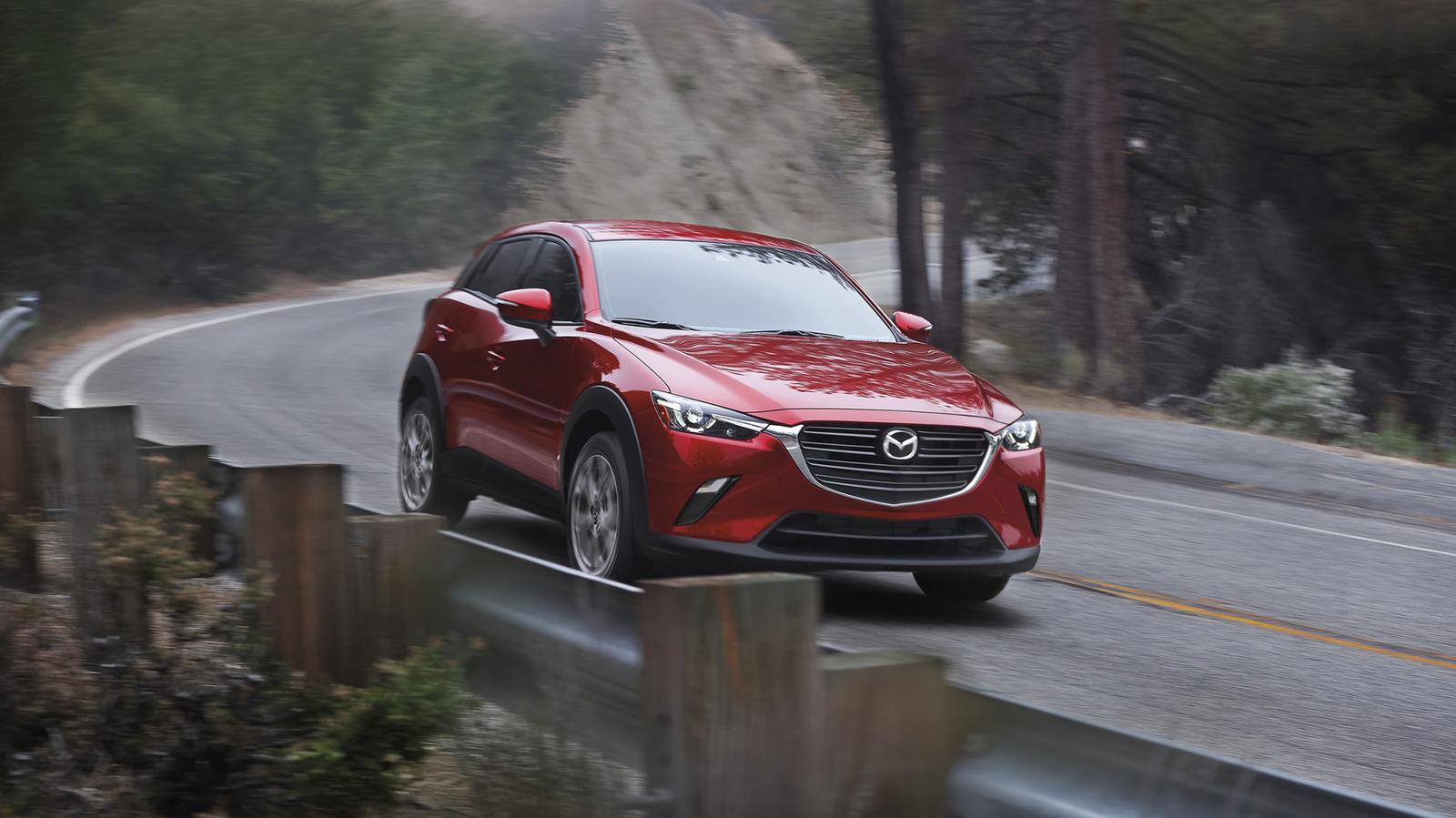
Image: Here’s How Much a 2020 Mazda CX-3 Has Depreciated in 5 Years – Real‑World Numbers – Performance Comparison and Specifications
If you’re hunting for a compact SUV that still feels fresh after a few years on the road, the 2020 Mazda CX-3 often pops up on the list. But before you sign a deal, you probably want to know how much value it loses over time. In this post we break down the depreciation curve, compare specs, and give you a clear picture of what you’ll actually pay for a five‑year‑old CX‑3 today.
Why Depreciation Matters
Depreciation is the silent thief that eats away at a vehicle’s resale value. For a buyer, understanding it can turn a good purchase into a great one. For a seller, it tells you the best time to list the car. The Mazda CX‑3, with its sleek design, ADAS safety suite, and a punchy turbo‑petrol engine, holds its value better than many rivals, but it’s not immune.
Five‑Year Depreciation Snapshot
According to data from Kelley Blue Book, the average 2020 Mazda CX‑3 has dropped about 38% of its original MSRP after five years. Here’s a quick look:
| Year | Original MSRP | 5‑Year Value |
|---|---|---|
| 2020 | $22,000 | $13,600 |
That means if you bought a CX‑3 new at $22k, you could expect to sell it for roughly $13.6k today, assuming average mileage and condition.
Design & Dimensions
Before diving into numbers, let’s appreciate why the CX‑3 feels premium despite its size.
| Dimension | Measurement | Compared To |
|---|---|---|
| Overall Length | 168.3 in (4,274 mm) | Honda HR‑V (170.1 in) |
| Wheelbase | 101.2 in (2,570 mm) | Subaru Crosstrek (105.1 in) |
| Ground Clearance | 6.7 in (170 mm) | Toyota C‑H R (7.1 in) |
| Cargo Volume (behind 2nd row) | 12.4 cu ft | Nissan Kicks (13.9 cu ft) |
Feature Comparison: 2020 CX‑3 vs. Main Rivals
When you weigh depreciation, it’s useful to see how the CX‑3 stacks up against its closest competitors in terms of tech and safety.
| Feature | 2020 Mazda CX‑3 | 2020 Honda HR‑V | 2020 Subaru Crosstrek |
|---|---|---|---|
| Standard ADAS | Mazda Radar Cruise, Lane‑Keep Assist, Blind‑Spot Monitoring | Honda Sensing (available on higher trims) | EyeSight (available on Premium) |
| Infotainment Screen | 7‑inch touchscreen, Apple CarPlay/Android Auto | 7‑inch touchscreen, Apple CarPlay (Android Auto optional) | 6.5‑inch touchscreen, Apple CarPlay/Android Auto |
| Cargo Flex | Fold‑down rear seats 60/40 | 60/40 split, Magic Seat | 60/40 split, rear seat pass‑through |
| Warranty | 3‑yr/36,000‑mi basic, 5‑yr/60,000‑mi powertrain | 3‑yr/36,000‑mi basic, 5‑yr/60,000‑mi powertrain | 3‑yr/36,000‑mi basic, 5‑yr/60,000‑mi powertrain |
Engine Specifications
The CX‑3’s heart is a lively 2.0‑liter SKYACTIV‑G engine that delivers 148 hp and 146 lb‑ft of torque. While it’s not a turbo‑petrol, its refined output and lightweight chassis give it an engaging drive.
| Specification | 2020 Mazda CX‑3 | Comparable Engine (HR‑V) |
|---|---|---|
| Engine Type | 2.0 L SKYACTIV‑G I4, naturally aspirated | 1.8 L i-VTEC I4, naturally aspirated |
| Power | 148 hp @ 6,000 rpm | 141 hp @ 6,500 rpm |
| Torque | 146 lb‑ft @ 4,000 rpm | 127 lb‑ft @ 4,200 rpm |
| Transmission | 6‑speed manual or 6‑speed SKYACTIV‑MMT | CVT (standard) or 6‑speed manual |
| Fuel Economy (EPA) | 26 mpg city / 33 mpg hwy | 28 mpg city / 34 mpg hwy |
Price Comparison: New vs. 5‑Year‑Old
Understanding the price spread helps you gauge whether a used CX‑3 is a bargain or over‑priced.
| Model Year | Average Listing Price (USD) | Typical Mileage |
|---|---|---|
| 2020 (as‑new) | $22,000 – $25,000 | 0 mi |
| 2020 (5‑yr used) | $13,500 – $15,500 | 45,000 – 60,000 mi |
| 2022 CX‑30 (new) | $22,500 – $27,000 | 0 mi |
| 2022 CX‑30 (5‑yr used) | $16,000 – $18,500 | 40,000 – 55,000 mi |
Real‑World Depreciation Factors
Numbers tell only part of the story. Here are the variables that can swing the CX‑3’s value up or down:
- Mileage: Every 10,000‑mile increment can shave roughly 2‑3% off the resale price.
- Condition: A well‑kept interior, no major dents, and a clean service history keep the value higher.
- Trim Level: The Grand Touring trim, which includes leather seats and a premium Bose sound system, depreciates slightly slower because of its added amenities.
- Regional Demand: Urban areas with tight parking favor compact SUVs, boosting local resale prices.
- Fuel Prices: When gasoline costs spike, buyers gravitate toward the CX‑3’s efficient SKYACTIV‑G engine, nudging demand upward.
Personal Takeaway
When I bought a pre‑owned 2020 CX‑3 two years ago, the sticker price was $14,800—about 30% less than the original MSRP. After a quick service check and a fresh detailing, I felt I’d snagged a deal that would still hold its value in a few more years. The key? I chose a model with low mileage, a clean Carfax, and the Grand Touring package. If you follow the same checklist, you’ll likely experience a similar depreciation advantage.
Conclusion
The 2020 Mazda CX‑3 loses roughly 38% of its value after five years, which translates to a modest $8,400 drop from its launch price. That depreciation rate is competitive for the sub‑compact SUV segment, especially when you factor in the CX‑3’s premium interior, advanced safety suite, and the reputation for reliability that Mazda has built. Armed with the tables above, you can now compare the CX‑3 to its rivals, see where the money goes, and decide if a five‑year‑old model fits your budget and lifestyle.
Frequently Asked Questions
- What is the average annual depreciation rate for the 2020 Mazda CX‑3?
- Approximately 7‑8% per year, totaling about 38% after five years.
- Does the CX‑3’s ADAS package affect resale value?
- Yes. Vehicles equipped with Mazda’s i‑Activsense safety suite tend to retain value slightly better than those without advanced driver‑assist systems.
- How does mileage impact the CX‑3’s price?
- Every 10,000 miles typically reduces the asking price by 2‑3%, assuming the car is in good condition.
- Is a manual transmission CX‑3 worth more than an automatic?
- Manuals are rarer, which can add a small premium for enthusiasts, but the overall market prefers automatics, so the price difference is minimal.
- Can I expect lower insurance premiums on a used CX‑3?
- Generally, yes. Insurance costs drop as the vehicle ages, especially once the car is five years old.
- How does the CX‑3 compare to the newer Mazda CX‑30 in terms of depreciation?
- The CX‑30 tends to hold value a bit better due to its newer platform and higher demand, but the CX‑3 remains a solid, affordable alternative.
- Are there any common maintenance issues that could affect resale?
- Most owners report no major problems. Routine oil changes and brake service keep the CX‑3’s resale value healthy.
- Does the fuel‑economy rating influence the resale price?
- Fuel‑efficient models like the CX‑3 often attract buyers in high‑gas‑price markets, giving them a slight edge in resale value.
- What trim offers the best value for resale?
- The Grand Touring trim usually depreciates slower because of its premium features that many buyers look for.
- Is it better to buy a CX‑3 now or wait for newer model year discounts?
- If you’re comfortable with a 5‑year‑old vehicle, buying now can save you 30‑40% off the original price. However, newer model years may bring updated tech and a fresh warranty.