How Diesel Fuel Is Made: From Crude Oil to the Pump
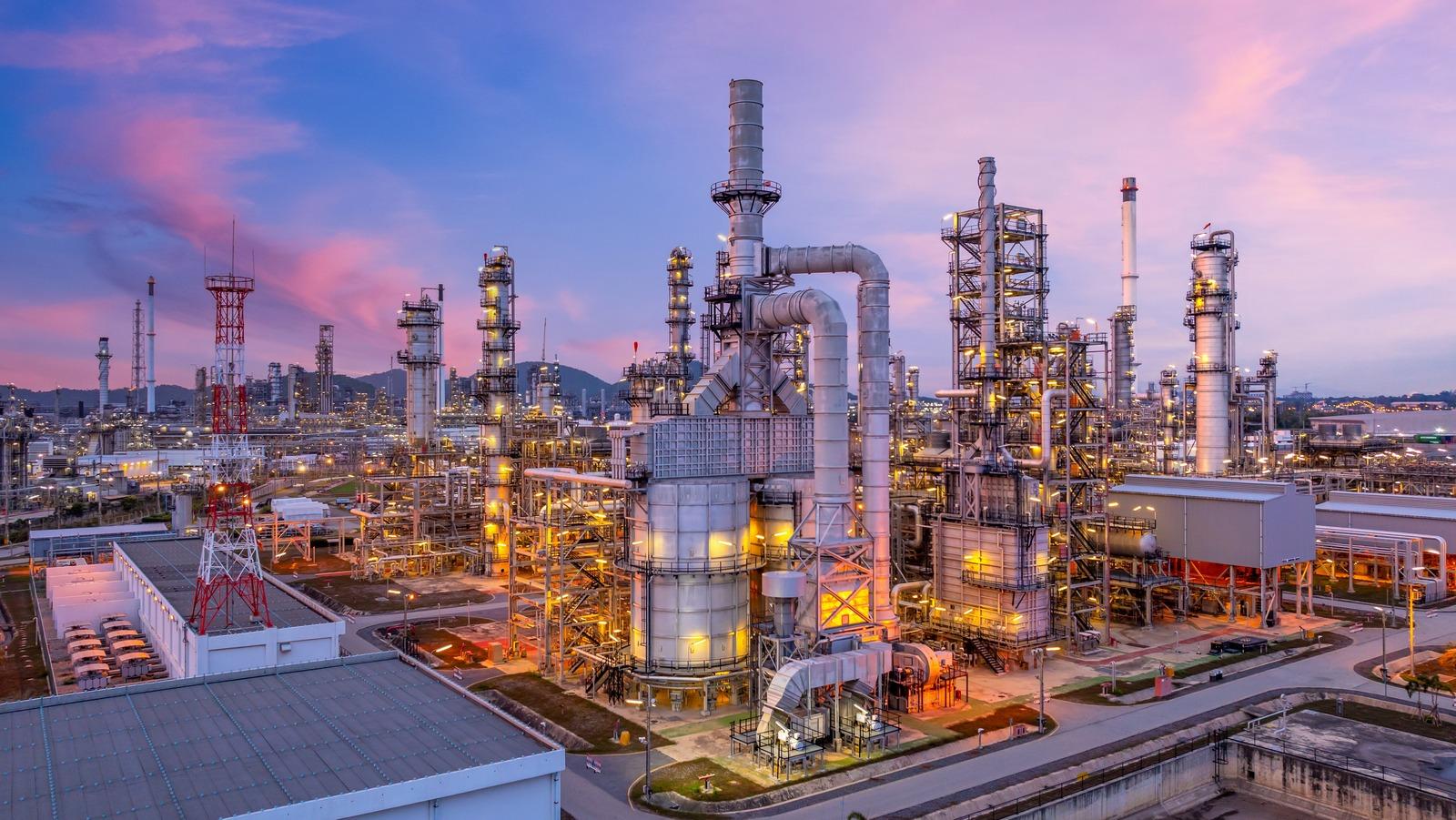
How Diesel Fuel Is Made: From Crude Oil to the Pump
Image: How Diesel Fuel Is Made: From Crude Oil to the Pump – Performance Comparison and Specifications
When you pull into a service station and watch the diesel pump click into place, it’s easy to assume the fuel simply flows up from the ground. In reality, diesel is the result of a sophisticated series of refining steps, heat, and chemistry. In this article we’ll break down the entire journey – from raw crude oil to the clear, energy‑dense liquid that powers everything from a Ford F‑250 to a Mercedes‑Benz Sprinter. Grab a coffee, and let’s explore how diesel fuel is engineered.
What Is Diesel Fuel?
Diesel is a middle‑distillate petroleum product with a higher energy density than gasoline. It powers turbo‑diesel engines, which are prized for torque, fuel efficiency, and lower CO2 emissions per mile. While gasoline has a flash point around -40 °C, diesel’s flash point is typically above 55 °C, making it safer to handle and store.
The Refining Process in a Nutshell
Refining crude oil into diesel involves several core stages:
- Atmospheric Distillation
- Vacuum Distillation
- Hydrocracking
- Hydrotreating
- Blending & Additives
- Quality Control & Certification
Each step adds heat, pressure, or catalysts to transform heavy hydrocarbons into a clean, high‑performance fuel.
1. Atmospheric Distillation – The First Split
The journey begins in a towering fractionating column. Crude oil is heated to 350‑400 °C and introduced at the column’s base. As the vapor rises, it cools and condenses into different cuts based on boiling points. The middle cut, known as “middle distillate,” is where diesel’s raw material lives.
2. Vacuum Distillation – Pulling Out the Heavyweights
Not all diesel‑eligible hydrocarbons are captured in the atmospheric column. Heavier fractions are sent to a vacuum distillation unit, where lower pressure allows the oil to boil at reduced temperatures, preventing thermal cracking. The output is a heavier diesel stream that later undergoes further processing.
3. Hydrocracking – Breaking Big Molecules
Hydrocracking uses hydrogen gas and a catalyst (often silica‑alumina with molybdenum) at 350‑420 °C and 1500–2500 psi. Large, complex molecules are cracked into smaller, cleaner ones that fall squarely into the diesel range (C₁₀‑C₂₀). This step dramatically improves cetane number and reduces sulfur.
4. Hydrotreating – The Sulfur Sweep
Modern diesel must meet stringent sulfur limits (<10 ppm in many regions). Hydrotreating exposes the cracked stream to additional hydrogen over a nickel‑molybdenum catalyst at 300‑350 °C, stripping sulfur, nitrogen, and aromatics. The result is a low‑sulfur, high‑cetane base fuel ready for blending.
5. Blending & Additives – Tailoring the Final Product
Pure hydrotreated diesel is great, but manufacturers add performance‑enhancing additives:
- Cetane Improvers – Boost ignition quality.
- Cold Flow Improvers – Prevent wax crystals in winter.
- Lubricity Additives – Protect high‑pressure fuel pumps.
- Detergents – Keep injectors clean.
Blend ratios differ by market and season. For example, in Scandinavia a higher concentration of cold‑flow agents is required to keep diesel flowing at -20 °C.
6. Quality Control – Ensuring Consistency
Every batch undergoes rigorous testing: cetane number, sulfur content, density, flash point, and water content. Standards such as ASTM D975 (U.S.) or EN 590 (Europe) dictate the acceptable ranges. Only after passing these checks does the diesel leave the refinery on a tanker headed for your local station.
Why Diesel Still Matters in a Turbo‑Petrol World
With the rise of turbo‑petrol engines and electrified powertrains, you might wonder why diesel remains relevant. The answer lies in its unique strengths:
- Higher torque at low rpm – perfect for heavy‑duty trucks and vans equipped with ADAS (Advanced Driver Assistance Systems) that need reliable power for sensor suites.
- Better fuel economy – a 30% advantage over comparable gasoline engines, translating to lower operating costs for fleet owners.
- Longer range – essential for long‑haul applications where recharging stations are scarce.
Manufacturers like Volkswagen and Peugeot continue to fine‑tune their diesel line‑ups alongside hybrid and electric options, proving that diesel is still a key piece of the mobility puzzle.
Design & Dimensions of Modern Diesel Engines
| Model | Displacement (L) | Length (mm) |
|---|---|---|
| Ford F‑250 6.7 L Power Stroke | 6.7 | 970 |
| Mercedes‑Benz Sprinter 3.0 L V6 | 3.0 | 1,020 |
| VW Golf TDI 2.0 L | 2.0 | 4,530 |
Feature Comparison: Diesel vs. Turbo‑Petrol
| Feature | Diesel | Turbo‑Petrol |
|---|---|---|
| Cetane Rating | 45‑55 | 10‑15 (octane) |
| Torque @ 1,500 rpm | 500‑1,000 Nm | 250‑500 Nm |
| Fuel Economy | 30‑40 mpg | 25‑35 mpg |
| CO₂ (g/km) | 150‑180 | 130‑160 |
Engine Specifications of Popular Diesel Powerplants
| Engine | Peak Power (kW) | Peak Torque (Nm) |
|---|---|---|
| Ford 6.7 L Power Stroke | 335 | 1,250 |
| Mercedes 3.0 L V6 Turbo‑Diesel | 190 | 440 |
| VW 2.0 L TDI | 110 | 320 |
| Peugeot 2.2 L BlueHDi | 120 | 350 |
Price Comparison: Diesel vs. Gasoline (2024)
| Fuel Type | Average Price (USD/gal) | Annual Cost (2000 mi) |
|---|---|---|
| Diesel | 4.15 | 415 |
| Regular Gasoline | 3.85 | 460 |
| Premium Gasoline | 4.25 | 505 |
Environmental Considerations
Modern refineries invest heavily in emissions control. The hydrocracking and hydrotreating stages not only improve fuel quality but also lower lifecycle CO₂ by reducing the need for after‑treatment in the vehicle. Moreover, ultra‑low sulfur diesel (ULSD) enables the use of advanced exhaust after‑treatment systems such as SCR (Selective Catalytic Reduction), cutting NOx emissions dramatically.
Conclusion
Diesel fuel’s journey from deep‑well crude to the pump is anything but magical – it’s a series of engineered steps that demand heat, pressure, catalysts, and meticulous quality checks. Understanding this process helps you appreciate why diesel still powers everything from the toughest work trucks to efficient city vans equipped with ADAS. The next time you hear the soft thrum of a diesel engine, remember the complex refinery dance that makes that sound possible.
FAQ – Diesel Fuel Production
- 1. What raw material is used to make diesel?
- Diesel is derived from crude oil, specifically the middle‑distillate fraction obtained after atmospheric and vacuum distillation.
- 2. How does hydrocracking differ from traditional cracking?
- Hydrocracking uses hydrogen and a catalyst under high pressure to break large molecules, producing cleaner, higher‑cetane diesel compared to thermal cracking.
- 3. Why is sulfur removed from diesel?
- High sulfur leads to harmful emissions and can damage modern after‑treatment systems. Regulations now limit sulfur to 10 ppm in many markets.
- 4. What are cold‑flow improvers?
- Additives that prevent wax crystals from forming at low temperatures, ensuring diesel stays fluid in cold climates.
- 5. Is diesel more fuel‑efficient than gasoline?
- Yes, diesel engines typically achieve 30‑40 mpg compared to 25‑35 mpg for comparable turbo‑petrol engines.
- 6. Can diesel be used in hybrid vehicles?
- Some hybrids combine a diesel engine with an electric motor (e.g., certain European models), offering the best of both worlds.
- 7. How often is diesel blended with additives?
- Blending occurs every batch, with seasonal adjustments for cold‑flow agents and lubricity additives.
- 8. What standards govern diesel quality?
- ASTM D975 in the U.S. and EN 590 in Europe are the primary specifications.
- 9. Does diesel have a higher energy density than gasoline?
- Yes, diesel contains about 35.8 MJ/L versus gasoline’s 32.0 MJ/L, contributing to its superior mileage.
- 10. Where can I learn more about diesel production?
- Visit reputable sources such as the U.S. Energy Information Administration (eia.gov) or the International Energy Agency (iea.org).