Mazda CX-6e: The Radical 26‑Inch Screen EV That Takes on the Audi Q6 e‑tron
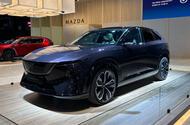
Mazda CX-6e: The Radical 26‑Inch Screen EV That Takes on the Audi Q6 e‑tron
Image: Mazda CX-6e: The Radical 26‑Inch Screen EV That Takes on the Audi Q6 e‑tron – Performance Comparison and Specifications
When Mazda unveiled the CX-6e at the Brussels Motor Show, the automotive world got a glimpse of a future that looks less like a traditional Japanese SUV and more like a piece of living art. With a massive 26‑inch infotainment screen, camera‑wing mirrors and a cabin that throws away the classic instrument cluster, Mazda is making a bold statement: the next generation of its interiors will be dominated by glass, pixels and software.
Why the CX-6e Matters
It isn’t just another electric SUV. The CX-6e is Mazda’s answer to the Audi Q6 e‑tron, and it arrives at a time when European consumers are demanding more range, more tech and a clearer brand identity for EVs. The model sits alongside the mechanically identical 6e saloon as one of only two electric Mazdas slated for the UK market, with a launch expected by the end of 2026.
Design & Dimensions
| Parameter | Mazda CX-6e | Mazda CX-60 (combustion) |
|---|---|---|
| Length | 4,850 mm | 4,795 mm |
| Width | 1,935 mm | 1,885 mm |
| Height | 1,670 mm | 1,710 mm |
| Wheelbase | 2,940 mm | 2,865 mm |
| Ground clearance | 185 mm | 200 mm |
At first glance the CX‑6e looks a touch longer, wider and lower than the CX‑60, giving it a sportier silhouette that still respects Mazda’s KODO‑design language. The lower roofline isn’t just aesthetic; it helps the car achieve a lower centre of gravity, which, paired with a 78 kWh LFP battery, contributes to its stable handling.
Inside the Screen‑Dominated Cabin
Jo Stenuit, Mazda’s Europe design chief, describes the interior as “living art”. The centerpiece is a 26‑inch curved infotainment panel that spans the width of the dash, replacing the traditional gauge cluster entirely. Below the screen, a head‑up display projects essential information directly onto the windshield, keeping the driver’s eyes on the road.
Other standout tech includes:
- Camera‑wing mirrors that provide a clear, distortion‑free view and fold away at the push of a button.
- Bluetooth speakers integrated into the front headrests for a personal sound‑stage.
- Ambient lighting that changes colour based on driving mode.
Stenuit admits he isn’t a massive fan of gigantic screens, but he defends the choice by pointing out the precise and clear way information can be presented – a crucial factor for a vehicle that will rely heavily on advanced driver‑assist systems (ADAS).
Feature Comparison: CX‑6e vs. Audi Q6 e‑tron
| Feature | Mazda CX-6e | Audi Q6 e‑tron |
|---|---|---|
| Infotainment screen | 26‑inch OLED | 15‑inch MMI Plus |
| Range (WLTP) | ~300 miles | ~380 miles |
| Battery capacity | 78 kWh LFP | 95 kWh lithium‑ion |
| Rear‑motor output | 255 bhp | 350 bhp |
| Frunk space | 80 L | 95 L |
| ADAS level | Level 2+ | Level 3 |
While the Q6 e‑tron still leads on pure performance and range, the CX‑6e’s interior tech and price positioning could make it a more attractive choice for buyers who value a futuristic cabin over outright power.
Powertrain & Performance
| Specification | Mazda CX-6e (EU) | Mazda CX-6e (Other markets) |
|---|---|---|
| Motor type | Rear‑mounted permanent‑magnet | Rear‑mounted permanent‑magnet |
| Power output | 255 bhp (190 kW) | 255 bhp (190 kW) |
| Torque | 430 Nm | 430 Nm |
| Battery | 78 kWh LFP | 78 kWh LFP |
| Charging speed | 150 kW DC (0‑80% in ~35 min) | 150 kW DC |
| 0‑60 mph | 6.8 seconds | 6.8 seconds |
The CX‑6e is essentially a rebadged version of the Changan Deepal S07, built on the same Nanjing line. This joint‑venture with Chinese automaker Changang allows Mazda to keep development costs low while still offering a genuine EV experience.
Pricing & Market Position
| Market | Mazda CX-6e (estimated) | Audi Q6 e‑tron (estimated) |
|---|---|---|
| Germany | €49,900 | €69,900 |
| France | €51,200 | €71,500 |
| UK (2026 launch) | £48,500 | £68,000 |
| Australia (EZ‑60 badge) | AUD 78,000 | AUD 98,000 |
Pricing is deliberately aggressive. By undercutting Audi by roughly £20,000, Mazda hopes to attract families and tech‑savvy buyers who might otherwise settle for a conventional SUV.
Practicalities: Space, Luggage & Everyday Use
The CX‑6e offers 468 L of rear cargo capacity, about 100 L less than the CX‑60. However, an 80‑L frunk compensates for some of that loss, especially for charging equipment and daily groceries. The lower roofline does mean a slightly reduced headroom for taller passengers, but the interior layout remains roomy thanks to the screen‑free dashboard.
What the Launch Means for Mazda’s EV Strategy
Mazda has been cautious with electrification, preferring a “slow‑and‑steady” rollout of plug‑in hybrids before committing to full‑electric models. The CX‑6e signals a shift: a dedicated EV that shares a platform with a Chinese partner, leveraging economies of scale while preserving Mazda’s design DNA.
Stenuit notes that the screen‑first approach is meant to work globally. In markets where drivers prefer tactile buttons, the large display can be customised with virtual controls that mimic physical switches, making the transition smoother.
Potential Drawbacks
- Range gap: 300 miles is respectable but still trails the Q6 e‑tron’s 380‑mile claim.
- Screen reliance: Some users may find the lack of physical knobs disorienting, especially in low‑light conditions.
- Limited brand EV heritage: Mazda’s EV portfolio is still nascent, which could affect resale value.
Conclusion: A Bold Step or a Niche Play?
The Mazda CX‑6e is more than just a new badge on an existing Chinese platform; it’s a statement that Mazda is willing to gamble on radical interior design to differentiate itself in an increasingly crowded EV market. Its 26‑inch screen, camera mirrors and sleek proportions make it a head‑turner, while the partnership with Changang keeps the price attractive.
Whether the CX‑6e can carve out a lasting niche against the likes of Audi’s Q6 e‑tron will depend on how quickly Mazda can expand its charging network, deliver consistent software updates and prove the reliability of its LFP battery pack. For early adopters who love cutting‑edge tech and a fresh aesthetic, the CX‑6e is an exciting preview of what Mazda might become in the fully electric era.
FAQ
- What does the ‘e’ in CX‑6e stand for?
- It denotes the vehicle’s fully electric powertrain, distinguishing it from the gasoline‑powered CX‑60.
- Is the CX‑6e available as a plug‑in hybrid?
- No, in Europe the CX‑6e will be offered only as a pure EV. Other markets may see a PHEV version under the EZ‑60 badge.
- How fast can the 26‑inch screen refresh?
- Mazda claims a 120 Hz refresh rate, ensuring smooth navigation and video playback.
- What ADAS features are standard?
- Level‑2+ driver‑assist includes adaptive cruise control, lane‑keeping assist, traffic‑sign recognition and automatic emergency braking.
- Can the camera‑wing mirrors be turned off?
- Yes, drivers can switch to traditional side‑view mirrors if desired, though the default is the digital system.
- What type of battery chemistry is used?
- The CX‑6e uses a 78 kWh lithium‑iron‑phosphate (LFP) pack, offering longevity and better thermal stability.
- How long does a full charge take on a 150 kW charger?
- Approximately 35 minutes from 0‑80 %.
- Is there a warranty on the battery?
- Mazda offers an 8‑year/160,000‑km warranty on the battery pack.
- Will the CX‑6e be sold in the UK?
- Yes, it is slated for a UK launch by the end of 2026, arriving about six months after the rest of Europe.
- How does the CX‑6e compare to the Audi Q6 e‑tron in price?
- It is positioned roughly £20,000 cheaper, making it a more accessible alternative for buyers seeking premium tech without the Audi price tag.
For more detailed specs and the latest updates, visit the official Mazda press release at https://www.mazda.com/en/pressrelease/2024/09/.