7 Best‑Selling SUVs to Buy in January – Your Complete Guide
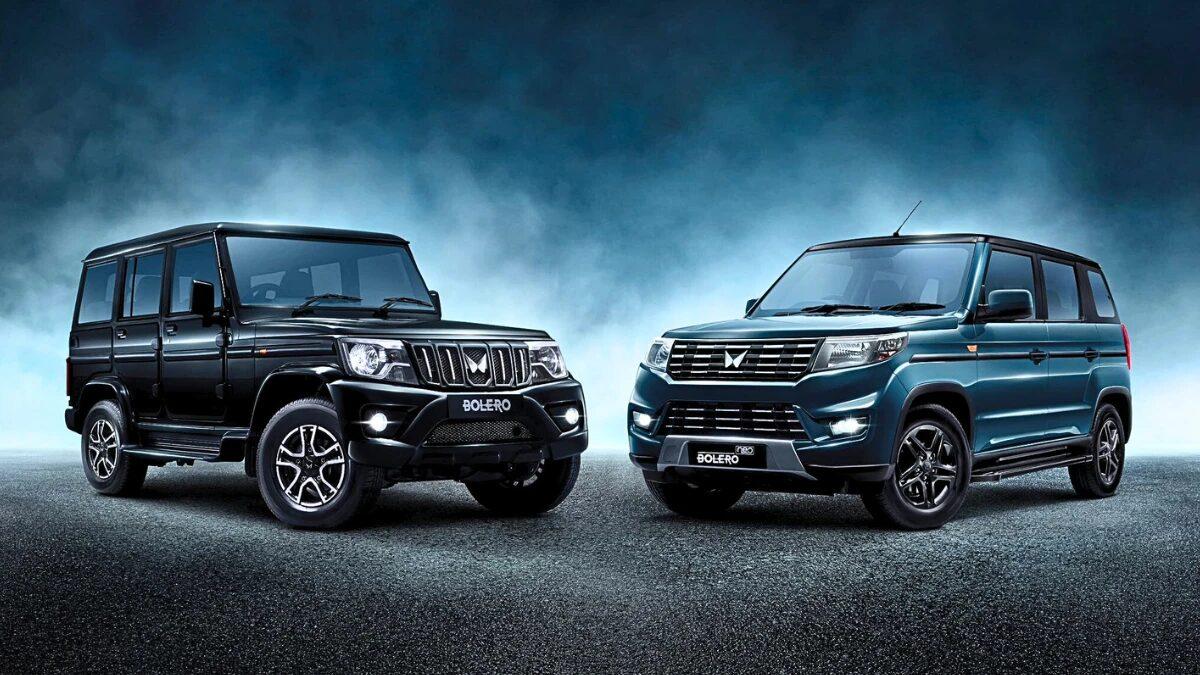
7 Best‑Selling SUVs to Buy in January – Your Complete Guide
Image: 7 Best‑Selling SUVs to Buy in January – Your Complete Guide – Performance Comparison and Specifications
India’s love affair with SUVs shows no sign of slowing down. Whether you need a family hauler, a weekend adventure buddy, or a city‑friendly cruiser, the market is packed with options that combine comfort, practicality, and a splash of style. To help you cut through the noise, we’ve hand‑picked the seven models that topped the sales charts in January. Each of these vehicles delivers a compelling blend of design, technology, and value, making them worthy contenders for your next purchase.
All figures and specifications are based on the latest data from MotorOctane and manufacturer releases as of January 2024.
1. Hyundai Creta – The All‑Rounder
The Creta continues to dominate the compact SUV segment thanks to its sleek looks, Turbo‑Petrol engine options, and an impressive suite of safety features like ADAS. Inside, the 10.25‑inch infotainment screen feels premium, and the cabin space is generous for a five‑seater.
2. Kia Seltos – Youthful Yet Refined
Kia’s Seltos rivals the Creta with a sportier silhouette and a more aggressive stance. Its Turbo‑Petrol 1.5‑litre engine delivers peppy performance, while the UVO Connect system keeps you linked to your smartphone on the go.
3. Mahindra XUV700 – Flagship with Cutting‑Edge Tech
If you crave a larger SUV with a commanding road presence, the XUV700 checks all the boxes. It offers a 2.2‑litre Turbo‑Diesel that roars with torque, and the i‑Active™ Suite (a collection of ADAS tools) sets a new benchmark for Indian SUVs.
4. Tata Harrier – Rugged Elegance
Tata’s Harrier blends a muscular exterior with a refined interior. The 2.0‑litre Turbo‑Petrol engine provides smooth power delivery, and features like Connected Car Tech and a panoramic sunroof elevate the driving experience.
5. Tata Nexon – Compact Yet Capable
The Nexon remains a favourite for city dwellers who need a compact footprint without compromising on safety. Its Turbo‑Petrol 1.2‑litre unit is both efficient and lively, while the Smart Dashboard keeps essential information at a glance.
6. Maruti Suzuki Vitara Brezza – Value‑Driven Performer
Maruti’s Vitara Brezza is the go‑to choice for first‑time SUV buyers. The 1.5‑litre K15B petrol engine offers reliable performance, and the vehicle’s low running cost makes it a practical daily driver.
7. Toyota Fortuner – The Legend of Toughness
For those who need serious off‑road capability, the Fortuner stands tall. Powered by a robust 2.8‑litre Turbo‑Diesel, it comes equipped with Toyota’s Safety Sense suite and a spacious cabin that can accommodate up to eight passengers.
Design & Dimensions
| SUV | Length (mm) | Width (mm) | Height (mm) | Wheelbase (mm) |
|---|---|---|---|---|
| Hyundai Creta | 4325 | 1790 | 1650 | 2610 |
| Kia Seltos | 4345 | 1795 | 1635 | 2610 |
| Mahindra XUV700 | 4765 | 1890 | 1795 | 2795 |
| Tata Harrier | 4598 | 1890 | 1715 | 2741 |
| Tata Nexon | 3993 | 1811 | 1607 | 2472 |
| Maruti Vitara Brezza | 3995 | 1820 | 1605 | 2475 |
| Toyota Fortuner | 4760 | 1885 | 1855 | 2790 |
Feature Comparison
| SUV | Infotainment | ADAS | Sunroof | Keyless Entry |
|---|---|---|---|---|
| Hyundai Creta | 10.25‑inch | Yes (Level 2) | Optional | Yes |
| Kia Seltos | 10.25‑inch | Yes (Level 2) | Optional | Yes |
| Mahindra XUV700 | 12.3‑inch | Yes (Level 3) | Standard | Yes |
| Tata Harrier | 9‑inch | Partial | Optional | Yes |
| Tata Nexon | 7‑inch | Partial | Optional | No |
| Maruti Vitara Brezza | 7‑inch | No | No | No |
| Toyota Fortuner | 9‑inch | Partial | Standard | Yes |
Engine Specifications
| SUV | Engine Type | Displacement | Power (bhp) | Torque (Nm) | Transmission |
|---|---|---|---|---|---|
| Hyundai Creta | Turbo‑Petrol | 1.5 L | 115 | 144 | 6‑MT / 6‑DCT |
| Kia Seltos | Turbo‑Petrol | 1.5 L | 115 | 144 | 6‑MT / 6‑DCT |
| Mahindra XUV700 | Turbo‑Diesel | 2.2 L | 182 | 420 | 6‑MT / 6‑DCT |
| Tata Harrier | Turbo‑Petrol | 2.0 L | 170 | 350 | 6‑DCT |
| Tata Nexon | Turbo‑Petrol | 1.2 L | 110 | 170 | 6‑MT / 6‑DCT |
| Maruti Vitara Brezza | Petrol | 1.5 L | 103 | 138 | 5‑MT / 5‑AMT |
| Toyota Fortuner | Turbo‑Diesel | 2.8 L | 177 | 450 | 6‑MT / 6‑AT |
Price Comparison (Ex‑showroom, Jan 2024)
| SUV | Base Price (₹ Lakhs) | Top Variant (₹ Lakhs) |
|---|---|---|
| Hyundai Creta | 10.5 | 15.4 |
| Kia Seltos | 10.8 | 15.7 |
| Mahindra XUV700 | 12.5 | 20.0 |
| Tata Harrier | 14.3 | 18.5 |
| Tata Nexon | 7.5 | 13.0 |
| Maruti Vitara Brezza | 7.4 | 11.7 |
| Toyota Fortuner | 31.0 | 39.5 |
Why These SUVs Made the Cut
Each model above has proven its mettle in the Indian market, but what truly separates the best‑sellers from the rest?
- Real‑world fuel efficiency – Even turbo‑petrol units like the Creta and Seltos deliver respectable mileage thanks to refined engine mapping.
- Safety first – Most of these SUVs now include at least one level of ADAS, a leap forward from the days when basic airbags were a luxury.
- Feature richness – From wireless Android Auto to dual‑zone climate control, the cabin tech has become a decisive factor for Indian buyers.
- Resale value – Brands like Toyota and Hyundai hold their value better, an important consideration for those who plan to upgrade in 3‑5 years.
How to Choose the Right SUV for You
Buying an SUV is not just about the badge; it’s about matching the vehicle to your lifestyle.
City commuting vs. long‑haul trips
If most of your miles are spent in traffic‑jammed metros, a compact SUV with a Turbo‑Petrol engine and a tight turning radius—think Creta or Nexon—will keep you nimble and economical.
Family size and cargo needs
For larger families or frequent road trips, the spacious interiors of the XUV700 or Fortuner make a world of difference. Their higher ground clearance also means you’ll feel more confident on uneven roads.
Tech cravings
Enthusiasts who love cutting‑edge connectivity should eye the XUV700’s 12.3‑inch touchscreen or the Seltos’ UVO Connect, both of which integrate voice commands and over‑the‑air updates.
Budget constraints
The Vitara Brezza and Tata Nexon deliver solid value without compromising on safety, making them perfect for first‑time buyers or those looking to stretch every rupee.
Final Thoughts
January’s best‑selling list showcases the diversity of the Indian SUV market—from pocket‑friendly crossovers to rugged flagships. No matter your budget or your daily routine, one of these seven models will fit the bill. Take a test drive, compare the feature tables above, and let your personal priorities steer the decision. Happy hunting!
Frequently Asked Questions
- 1. Which SUV offers the best fuel efficiency in the 2024 lineup?
- The Tata Nexon’s 1.2‑litre Turbo‑Petrol engine typically tops the segment, delivering around 21 km/l in city conditions.
- 2. Are any of these SUVs eligible for the Indian government’s green incentive?
- Only hybrid or electric variants qualify, so currently none of the listed models receive the incentive, though the XUV700 will soon launch a mild‑hybrid version.
- 3. How reliable are the ADAS systems on these vehicles?
- Most manufacturers use Level‑2 systems that include lane‑keep assist, adaptive cruise control, and automatic emergency braking. Real‑world reliability has improved markedly over the past two years.
- 4. Which SUV has the highest resale value?
- Toyota Fortuner consistently commands the highest resale price, followed closely by Hyundai Creta.
- 5. Is a 6‑speed DCT better than a traditional 6‑speed manual?
- For daily city driving, a DCT provides smoother gear shifts and better fuel economy, but enthusiasts may still prefer the engagement of a manual.
- 6. Can I get a sunroof in the base variant?
- Sunroofs are generally offered as optional or part of higher trims in most models; the XUV700 and Fortuner include it as standard on top trims.
- 7. What is the warranty period for these SUVs?
- Most manufacturers offer a 3‑year/100,000‑km warranty, though some, like Tata, provide an extended 5‑year/150,000‑km powertrain guarantee.
- 8. Which SUV is best for off‑road adventures?
- The Toyota Fortuner, with its 4×4 drivetrain, high ground clearance, and robust suspension, is the clear off‑road champion.
- 9. Do these models support over‑the‑air (OTA) updates?
- Yes, the Creta, Seltos, and XUV700 all receive OTA updates for infotainment and some vehicle‑control modules.
- 10. How important is after‑sales service when choosing an SUV?
- Very important. Brands with a wider dealer network and strong service packages—like Maruti Suzuki and Hyundai—tend to reduce long‑term ownership costs.