What Was Your First Car? Memories, Milestones, and Why It Still Matters
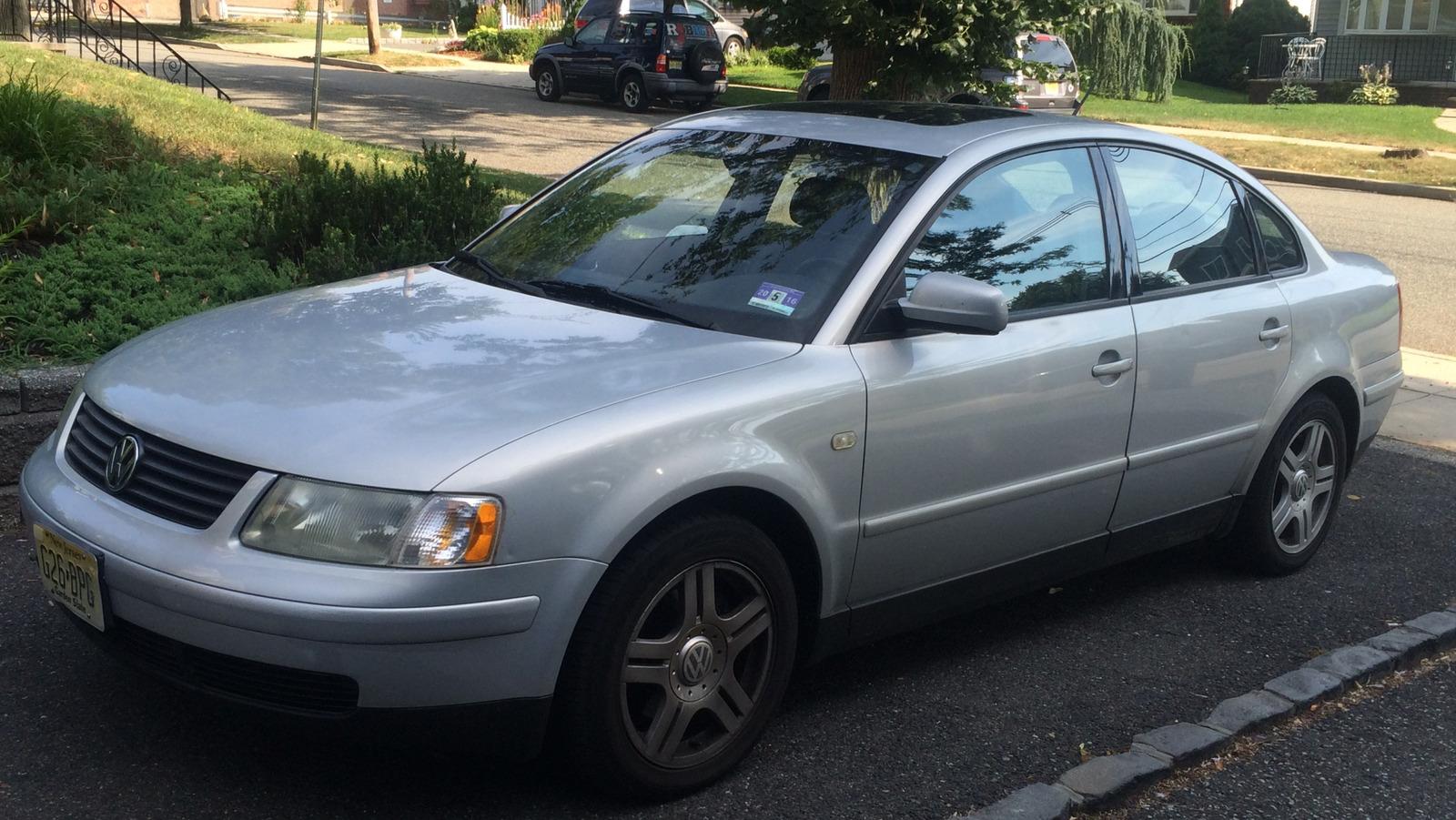
What Was Your First Car? Memories, Milestones, and Why It Still Matters
Image: What Was Your First Car? Memories, Milestones, and Why It Still Matters – Performance Comparison and Specifications
There’s a special place in many of our hearts for the vehicle that first gave us the taste of freedom. Whether you started with a battered Toyota Corolla, a sleek Ford Mustang, or a humble Honda Civic, that first set of wheels often shapes how we view driving forever. In this article we’ll explore why the first car matters, dive into the specs of popular starter models, and even compare how modern features like ADAS and turbo‑petrol engines have changed the game.
Why the First Car Is More Than Just a Ride
Think back to the moment you turned the key for the first time. The engine’s rumble, the smell of leather (or plastic), and the sheer excitement of independence—all of these sensations create a lasting impression. Psychologists say that milestones linked to personal freedom stick in memory longer than everyday events. Your first car becomes a benchmark for every vehicle you own afterward.
Popular First‑Car Choices and Their Legacy
Below is a snapshot of four models that have historically been favorite starter cars. Notice how their design, features, and price points have evolved over the decades.
| Model | Year Introduced | Typical Purchase Price (USD) |
|---|---|---|
| Toyota Corolla | 1966 | 15,000 (used, 2020) |
| Honda Civic | 1972 | 13,500 (used, 2020) |
| Ford Mustang | 1964 | 25,000 (used, 2020) |
| Volkswagen Golf | 1974 | 18,200 (used, 2020) |
Design & Dimensions
| Model | Length (mm) | Width (mm) |
|---|---|---|
| Toyota Corolla (2022) | 4,630 | 1,780 |
| Honda Civic (2022) | 4,650 | 1,795 |
| Ford Mustang (2022) | 4,780 | 1,910 |
| Volkswagen Golf (2022) | 4,280 | 1,789 |
Feature Comparison
| Feature | Corolla | Civic | Mustang | Golf |
|---|---|---|---|---|
| Manual Transmission | Yes | Yes | No | Yes |
| Adaptive Cruise Control (ADAS) | Standard | Standard | Optional | Standard |
| Turbo‑Petrol Engine | Yes (1.8L) | Yes (2.0L) | No (V8) | Yes (1.5L) |
| Infotainment Screen | 7‑inch | 8‑inch | 10‑inch | 8‑inch |
Engine Specifications
| Model | Engine Type | Power (hp) | Torque (Nm) |
|---|---|---|---|
| Corolla 1.8L | Turbo‑Petrol | 138 | 230 |
| Civic 2.0L | Turbo‑Petrol | 158 | 260 |
| Mustang 5.0L | V8 Naturally Aspirated | 450 | 530 |
| Golf 1.5L | Turbo‑Petrol | 130 | 250 |
Price Comparison: New vs. Used
| Model | New (USD) | 5‑Year Used (USD) |
|---|---|---|
| Toyota Corolla | 20,250 | 12,800 |
| Honda Civic | 22,550 | 13,900 |
| Ford Mustang | 28,000 | 19,400 |
| Volkswagen Golf | 23,500 | 15,200 |
Personal Stories: How My First Car Shaped My Driving Philosophy
When I got my first set of keys at 19, it was a 1998 Toyota Corolla that had survived a few owners, a dented bumper, and a lingering coffee stain on the passenger seat. I remember the first rain-soaked drive home, the windshield wipers squeaking, and the way the turbo‑petrol engine responded when I gently pressed the accelerator. That modest, reliable ride taught me the value of maintenance—oil changes, tire rotations, and keeping the interior clean.
Fast forward a decade, and the lessons learned behind that Corolla’s wheel helped me appreciate the convenience of modern ADAS features like lane‑keep assist and automatic emergency braking. I no longer have to hover over the pedals; the car itself watches the road. Yet, every time I hear the gentle hum of a newer turbo‑petrol engine, I’m reminded of that first thrill.
What to Look for When Choosing a First Car Today
Even if your nostalgic story involves a 1990s hatchback, buying a first car in 2024 means balancing nostalgia with safety and technology. Here are three quick tips:
- Prioritize safety. Look for models equipped with at least Level 1 ADAS—forward collision warning, automatic emergency braking, and blind‑spot monitoring.
- Consider fuel type. Turbo‑petrol engines deliver a lively response without the fuel‑guzzling of larger V6s, while hybrid options provide extra mileage for city driving.
- Check ownership costs. Insurance, maintenance, and depreciation matter more than the sticker price for a first-time buyer.
Conclusion: The First Car as a Lifetime Reference Point
Whether you reminisce about a rusty Ford Mustang that roared down a coastal highway or a modest Honda Civic that got you to college, that first car remains a reference point for every automotive decision you’ll ever make. It’s the benchmark for comfort, performance, and, most importantly, the feeling of freedom.
So, what was your first car? Share the story, compare specs, and celebrate the vehicle that started your journey behind the wheel.
FAQ
1. What makes a car a good first vehicle?
A good first car should be affordable, reliable, easy to park, and equipped with basic safety features like ABS and at least Level 1 ADAS.
2. Are turbo‑petrol engines safe for new drivers?
Yes, modern turbo‑petrol engines have sophisticated engine management systems that protect against over‑revving and provide smooth power delivery.
3. How important is a manual transmission for a first car?
Manual transmissions teach clutch control and gear selection, which can improve overall driving skill, but many beginners prefer automatics for ease of use.
4. Should I buy a used car or a new one as my first vehicle?
Both have pros and cons. Used cars are cheaper but may lack the latest safety tech; new cars offer warranty coverage and the latest ADAS features.
5. What role does ADAS play in beginner safety?
ADAS systems like lane‑keep assist and automatic emergency braking can reduce the chance of accidents, especially for drivers still mastering vehicle dynamics.
6. How long should I keep my first car?
Many owners keep their first car for 5‑7 years, allowing time to pay off any financing and gain enough experience before upgrading.
7. Is insurance cheaper for older models?
Generally, yes. Older cars often have lower market values, which reduces comprehensive and collision premiums.
8. Can I install aftermarket safety tech on an older first car?
Yes, many aftermarket kits add backup cameras, blind‑spot monitors, and even basic lane‑departure warnings.
9. What fuel economy should I expect from a typical first car?
Most compact sedans like the Corolla or Civic average 30‑35 MPG combined; hybrids can push 40‑50 MPG.
10. Where can I find reliable reviews for first‑car models?
Trusted sites such as CarBuzz, Edmunds, and Consumer Reports provide in‑depth reviews and owner satisfaction scores.