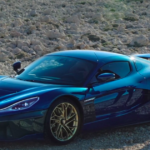
How a 2+2 Lotus EV Could Rescue Hethel – The Elite S4 Vision

How a 2+2 Lotus EV Could Rescue Hethel – The Elite S4 Vision
Image: How a 2+2 Lotus EV Could Rescue Hethel – The Elite S4 Vision – Performance Comparison and Specifications
Introduction: Lotus at a Crossroads
Lotus has survived eight turbulent decades of lightweight brilliance, from the legendary Elan to the recent Emira. Yet the brand now faces a crisis that could close the historic Hethel factory and silence the roar of its iconic chassis. Could a practical yet exhilarating 2+2 electric sports car be the lifeline Lotus needs? In this article we explore the Lotus Elite S4 concept – a daily‑driver EV that blends the soul of a Lotus with the practicality of a family coupe.
The Current Volatility at Lotus
Geely’s ambitious push for a 150,000‑unit‑per‑year EV lineup fell flat, leaving customers confused about what a Lotus truly represents. The Emira, touted in 2022 as the “last combustion‑engine Lotus,” has sold just over 5,000 units in 2024 – respectable, but far from the volumes needed to keep Hethel humming. Add to that the new U.S. import tariffs and the threat of moving production overseas, and the future of the UK’s specialist car hub looks precarious.
Why a 2+2 EV Makes Strategic Sense
European markets are rapidly embracing electric mobility, and a compact 2+2 format offers three distinct advantages:
- Broader Appeal: Families and enthusiasts alike can enjoy a sports‑car silhouette without sacrificing rear‑seat practicality.
- Tariff‑Friendly: EVs built for the EU avoid the steep U.S. duties that have crippled Emira exports.
- Future‑Proof Powertrain: An 800V electric system delivers instant torque, while keeping weight low enough for the classic Lotus handling feel.
In short, a 2+2 EV could capture the lost middle‑market segment that rivals like Alpine’s A110 have abandoned.
The Elite S4 Concept – Design & Dimensions
Avant Design of Leamington Spa teamed up with Watt Electric’s modular PACES skateboard chassis to craft a vehicle that looks instantly like a Lotus yet feels fresh. The result is the Elite S4 – a low, sleek coupé roughly the size of the Alpine A110, but with a clever interior layout that seats two adults and two children.
| Parameter | Measurement | Notes |
|---|---|---|
| Length | 4,200 mm | Compact sports‑car footprint |
| Width | 1,800 mm | Optimised for European streets |
| Wheelbase | 2,550 mm | Provides generous rear‑seat legroom |
| Height | 1,250 mm | Maintains low centre of gravity |
| Weight | 1,250 kg | Lightweight aluminium & carbon mix |
Key styling cues – a pronounced central spine, scissor front doors, and rear “dickey” doors – echo classic Lotus motifs while delivering modern practicality.
Feature Comparison
| Feature | Elite S4 | Emira (Petrol) | Lotus Evija (Hypercar) |
|---|---|---|---|
| Powertrain | Dual‑in‑wheel 235 bhp electric motors | 2.0 L turbo‑petrol, 400 bhp | 4× electric, 2,000 bhp |
| Range (WLTP) | 375 mi (72 kWh) | 300 mi (fuel) | 200 mi (80 kWh) |
| 0‑60 mph | 3.8 s | 4.2 s | 2.5 s |
| ADAS Level | Level 2 (adaptive cruise, lane‑keep) | Level 1 (basic) | Level 2+ |
| Seating | 2+2 | 2‑seat | 2‑seat |
Engine (Powertrain) Specifications
| Specification | Detail | Benefit |
|---|---|---|
| Motor Type | In‑wheel permanent‑magnet synchronous | Eliminates drivetrain losses |
| Total Power | 470 bhp (235 bhp per rear wheel) | Emira‑level performance |
| Torque | 600 Nm instantly | Thrilling launch control |
| Battery | 72 kWh lithium‑nickel‑manganese‑cobalt | Balance of range and weight |
| Charging | 800 V DC fast‑charge, 0‑80 % in 20 min | Practical for daily use |
Price & Market Position
| Model | Base Price (EUR) | Target Customer |
|---|---|---|
| Lotus Elite S4 | 55,000 | Enthusiasts seeking practicality |
| Alpine A110 | 57,000 | Purist sports‑car buyers |
| BMW i4 M50 | 70,000 | Luxury electric performance |
| Mercedes‑EQ C‑300 | 48,000 | Mainstream EV buyers |
Engineering the Future: PACES Skateboard Platform
The PACES (Passenger And Commercial EV Skateboard) chassis is the secret sauce that makes a low‑volume, high‑performance EV feasible for Hethel. Its patented self‑locking extrusions form a rigid aluminium spine that doubles as the battery enclosure, slashing structural weight and providing a crash‑protected battery pack.
Watt Electric’s modular approach lets the Elite S4 be built in a white‑label facility capable of 200 units per year – exactly the scale needed to keep Hethel’s workforce engaged without the overhead of mass‑production tooling.
What the Elite S4 Means for Hethel
By 2028, when the first production models could roll off the line, the European EV market will be handling over 12 million units annually. A 2+2 Lotus EV positioned at €55k would sit comfortably in the premium compact segment, attracting both brand loyalists and new customers seeking a sporty daily driver.
Crucially, the car would:
- Boost Hethel’s utilisation to >70 % capacity.
- Demonstrate that Lotus can marry lightweight dynamics with electric efficiency.
- Re‑establish the brand’s heritage of innovation – a modern take on the 1957 Type 14 “Eggshell” Elite.
If Geely backs this vision, it could replace the looming “move production to the US” scenario with a clear, UK‑centric growth plan.
Conclusion: A Roadmap Back to Glory
The Lotus Elite S4 is more than a concept sketch; it’s a blueprint for survival. By embracing a 2+2 electric architecture, Lotus can preserve Hethel, honour its 80‑year legacy, and deliver a car that feels unmistakably Lotus while meeting the practical demands of today’s drivers. The question now isn’t whether the Elite S4 can be built – it’s whether the industry will give this British engineering marvel the chance to prove itself on the road.
FAQ
- What makes the Elite S4 different from the Emira?
- It’s an all‑electric 2+2 with a skateboard chassis, offering zero‑emission performance and rear‑seat practicality.
- Will the Elite S4 have ADAS features?
- Yes, it will include Level‑2 driver‑assist systems such as adaptive cruise control and lane‑keeping assist.
- How does the range compare to other EVs in its class?
- At 375 mi (WLTP) the Elite S4 outperforms most compact EVs, thanks to its efficient aerodynamics and 800 V architecture.
- Can the car be charged at home?
- Absolutely – a standard 7 kW wallbox will give a full charge overnight, while fast‑charging restores 80 % in about 20 minutes.
- Will there be a rear‑wheel‑drive or all‑wheel‑drive option?
- The baseline is rear‑wheel‑drive with in‑wheel motors, but the PACES platform can accommodate AWD if market demand dictates.
- Is the Elite S4 intended for racing?
- It’s designed as a road‑legal daily driver, but its lightweight chassis and 470 bhp make it track‑capable for enthusiasts.
- How does the pricing compare to the Lotus Evija?
- At €55k, the Elite S4 is dramatically more affordable than the hyper‑exclusive Evija, which starts above €2 million.
- Will Lotus continue to offer turbo‑petrol models?
- Lotus has not ruled out turbo‑petrol variants for niche markets, but the strategic focus is shifting toward electrification.
- What is the expected production volume?
- The initial plan targets 200 units per year, scaling up to 500 as demand grows.
- How does the Elite S4 support the UK’s green agenda?
- By being a zero‑emission vehicle built domestically, it aligns with the UK’s target of 30 million EVs on the road by 2030.
Source: Autocar