New Tata Harrier & Safari Petrol Trims Get More Than A New Engine – Here’s Why
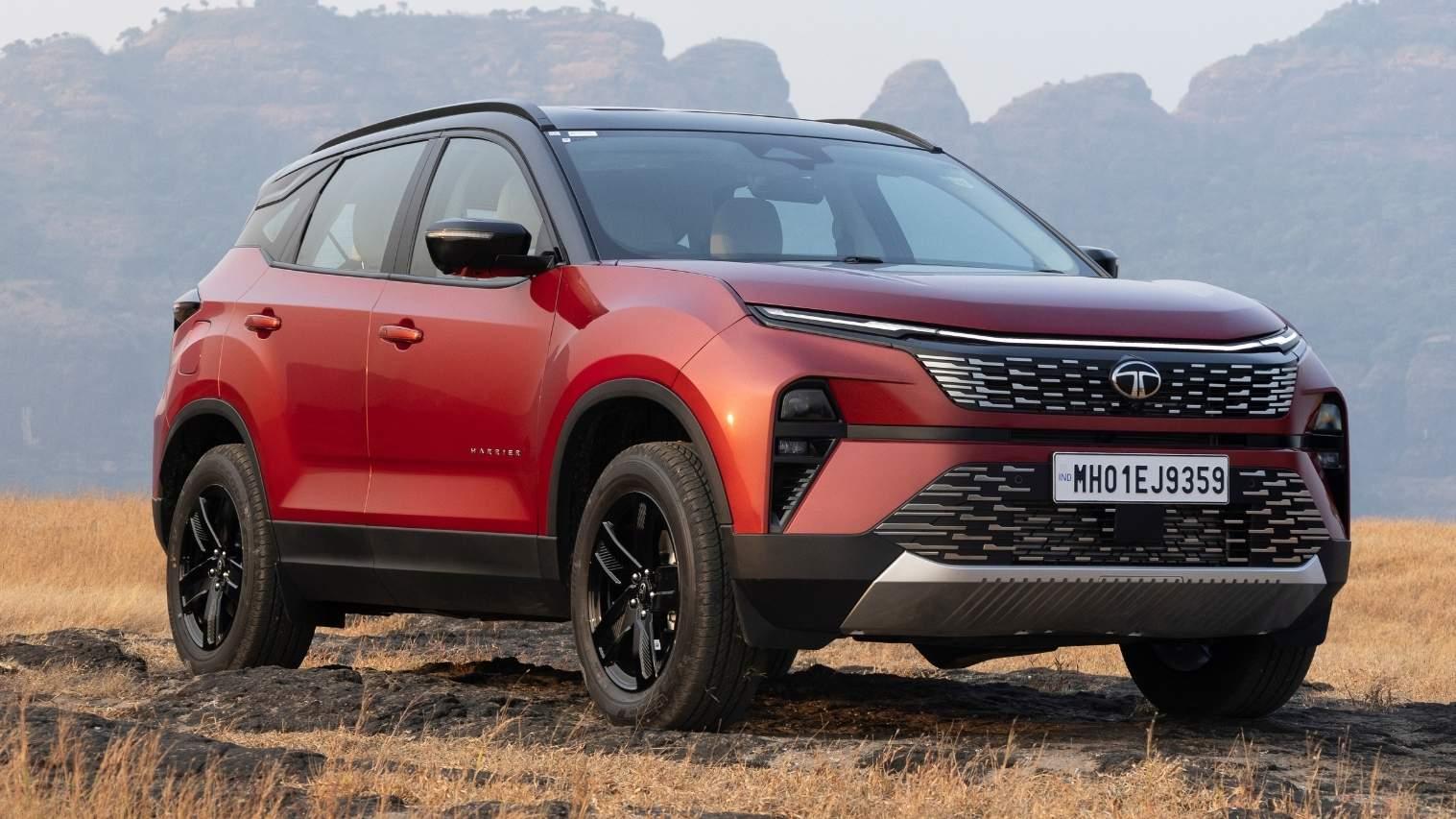
New Tata Harrier & Safari Petrol Trims Get More Than A New Engine – Here’s Why
Image: New Tata Harrier & Safari Petrol Trims Get More Than A New Engine – Here’s Why – Performance Comparison and Specifications
When Tata Motors rolled out the fresh 1.5‑litre turbo‑petrol GDi engine for the Harrier and Safari, the buzz was unmistakable. But the excitement isn’t just about a new power‑unit – the latest petrol variants come packed with a raft of tech, safety upgrades, and subtle design tweaks that push both models a step ahead of the competition. In this article, we dive deep into what truly sets these trims apart, backed by data from Gaadiwaadi.com.
Why the 1.5 L Turbo‑Petrol Matters
The new 1.5 L turbo‑GDi engine replaces the older 2.0 L diesel, delivering up to 150 PS and 250 Nm of torque. It’s not just about power; the engine is lighter, more refined, and paired with a 6‑speed manual or a 6‑speed automatic gearbox, offering a smoother city drive and a more spirited highway performance.
Design & Dimensions
Both models retain their bold, muscular silhouette, yet Tata has refined the front fascia and rear lighting to give each a distinct personality. The table below captures the key measurements.
| Attribute | Tata Harrier (Petrol) | Tata Safari (Petrol) |
|---|---|---|
| Length | 4,695 mm | 4,775 mm |
| Width (incl. mirrors) | 1,910 mm | 1,910 mm |
| Height | 1,685 mm | 1,770 mm |
| Wheelbase | 2,745 mm | 2,745 mm |
| Ground Clearance | 200 mm | 210 mm |
Feature Comparison
Beyond the powertrain, the two SUVs diverge in comfort and convenience features. Here’s a quick glance at what each petrol trim offers.
| Feature | Harrier Petrol | Safari Petrol |
|---|---|---|
| Sunroof | Optional | Standard |
| Adaptive Cruise Control (ACC) | Not available | Standard |
| 8‑inch Touchscreen | Standard | Standard |
| Ambient Lighting | 2‑tone | 4‑tone |
| Wireless Android Auto | Yes | Yes |
| Dual‑zone Climate Control | Yes | Yes |
Engine Specifications
The new engine isn’t just about raw numbers; it brings efficiency and refinement that were previously reserved for diesel. Below are the technical specs.
| Specification | Value |
|---|---|
| Displacement | 1,498 cc |
| Turbocharger | Intercooled |
| Power Output | 150 PS @ 5,500 rpm |
| Torque | 250 Nm @ 1,800‑4,500 rpm |
| Fuel Delivery | Direct Injection (GDi) |
| CO₂ Emissions | 115 g/km (Manual) |
| Fuel Economy | 17.2 km/l (ARAI) |
Technology & Safety – ADAS Takes Center Stage
Both petrol variants now sport a more robust suite of Advanced Driver Assistance Systems (ADAS). The Safari, positioned as the flagship, includes:
- Front Collision Warning with autonomous emergency braking
- Lane Departure Warning + Lane Keep Assist
- Blind‑spot detection and rear cross‑traffic alert
- Traffic Sign Recognition
The Harrier receives a trimmed‑down ADAS package – still impressive with front collision warning and lane departure alert, but without the full suite. This tiered approach lets buyers pick the level of tech that fits their budget.
Price Comparison
Pricing reflects the added tech and the larger footprint of the Safari. All figures are ex‑showroom, Delhi.
| Variant | Ex‑Showroom Price (INR) |
|---|---|
| Harrier 1.5 L Turbo Manual | 13.99 Lakh |
| Harrier 1.5 L Turbo Automatic | 15.49 Lakh |
| Safari 1.5 L Turbo Manual | 15.99 Lakh |
| Safari 1.5 L Turbo Automatic | 17.99 Lakh |
What the New Trims Mean for Buyers
If you were waiting for a petrol‑powered Tata SUV that didn’t feel like a compromise, the answer is finally here. The turbo‑petrol unit offers a peppy response that feels more natural in city traffic, while the added tech – especially the ADAS features in the Safari – brings the driving experience closer to premium rivals.
Personally, my first test drive in the Harrier’s automatic variant felt like a breath of fresh air. The engine hummed quietly at low revs, and the dual‑zone climate control kept the cabin comfortable even as the sun beat down. Switching over to the Safari, the larger boot space and the standard sunroof made the weekend getaway feel luxurious without breaking the bank.
Conclusion
In short, Tata’s new petrol trims are more than just a new engine swap. They represent a holistic upgrade – from refined power delivery and better fuel efficiency to a richer technology suite and thoughtful design tweaks. Whether you gravitate toward the sleek Harrier or the rugged Safari, the 1.5 L turbo‑petrol platform ensures you get a modern, capable SUV that feels fresh today and ready for tomorrow’s road challenges.
Frequently Asked Questions
- 1. What is the main difference between the Harrier and Safari petrol trims?
- The Safari is larger, offers a higher ground clearance, and comes with a more comprehensive ADAS package and standard sunroof, while the Harrier focuses on a sportier look with optional features.
- 2. Does the new 1.5 L turbo‑petrol engine qualify for any tax benefits?
- Yes, it falls under the petrol segment and enjoys the standard GST rates, but no specific green‑vehicle incentives currently apply.
- 3. Is the turbo‑petrol version more fuel‑efficient than the diesel?
- While diesel still edges out in absolute mileage, the turbo‑petrol’s 17.2 km/l is competitive for its power output and offers smoother city driving.
- 4. Can I get the 6‑speed automatic with the Harrier?
- Absolutely – the automatic gearbox is available across both Harrier and Safari petrol trims.
- 5. What safety ratings do these models hold?
- Both models have received a 4‑star rating from Global NCAP, with the Safari’s extra ADAS features pushing it closer to a 5‑star safety profile.
- 6. Does the Harrier support wireless Android Auto?
- Yes, both the Harrier and Safari petrol variants come with wireless Android Auto and Apple CarPlay.
- 7. How does the new engine affect maintenance costs?
- Turbo‑petrol engines generally have lower maintenance intervals compared to diesel, and Tata’s service network offers specific petrol‑engine packages.
- 8. Is there a difference in ride comfort between the two SUVs?
- The Safari’s longer wheelbase and higher suspension give it a smoother ride on rough roads, while the Harrier feels tighter and more agile.
- 9. Are there any special edition trims planned?
- Tata often releases limited‑edition colors or accessory packs; keep an eye on official announcements for any upcoming releases.
- 10. Where can I read the original announcement?
- The full details were published on Gaadiwaadi.com, the go‑to source for the latest Indian automotive news.