Why WD-40 Is Terrible for a Squeaky Engine Belt – and the Better Alternatives You Should Use
Why WD-40 Is Terrible for a Squeaky Engine Belt – and the Better Alternatives You Should Use
Image: Why WD-40 Is Terrible for a Squeaky Engine Belt – and the Better Alternatives You Should Use – Performance Comparison and Specifications
If you’ve ever heard a high‑pitched squeal coming from under the hood, your first instinct might be to grab the trusty can of WD‑40 you keep in the glove box. It works on rusted bolts, stuck hinges, and even squeaky doors, so why not the engine belt? The short answer is: it’s the wrong tool for the job. In this article we’ll explore why WD‑40 can actually damage a belt, what you should reach for instead, and how to keep your turbo‑petrol or ADAS‑equipped vehicle humming smoothly.
Understanding Engine Belts
Modern cars use several types of belts: the serpentine belt that drives the alternator, power steering pump, and AC compressor, and the timing belt that synchronises the crankshaft and camshaft. Both are engineered from reinforced rubber compounds designed to withstand heat, tension, and the occasional splash of coolant.
What Makes a Belt Squeak?
Most squeaks are caused by insufficient tension or a dry, contaminated surface. Over time, dust, oil, and even tiny bits of debris can build up on the pulleys, creating friction. When the belt slips, it produces that irritating whine.
Why WD-40 Isn’t a Belt Lubricant
WD‑40 stands for Water Displacement, 40th formula. Its primary purpose is to displace moisture and provide a thin protective film—not to act as a lasting lubricant. Here’s why spraying it on a belt is a bad idea:
- It softens rubber: The petroleum‑based solvents can degrade the belt’s polymer matrix, leading to premature cracking.
- It attracts dust: The oily residue becomes a magnet for dirt, turning a squeaky belt into a gritty, noisy nightmare.
- It reduces friction where you need it: Belts rely on a specific amount of friction against pulleys to transfer power efficiently. Too much slip = loss of performance, especially in turbo‑petrol engines that demand precise timing.
Automakers such as Toyota and Honda explicitly warn against using spray lubricants on belts in their service manuals. Using WD‑40 can even void warranty coverage for the belt and related components.
What to Use Instead: Belt‑Specific Products
When it comes to silencing a squeal, the goal is to clean the pulleys and, if needed, adjust the tension. Below are the three most reliable options:
1. Belt Dressing Sprays
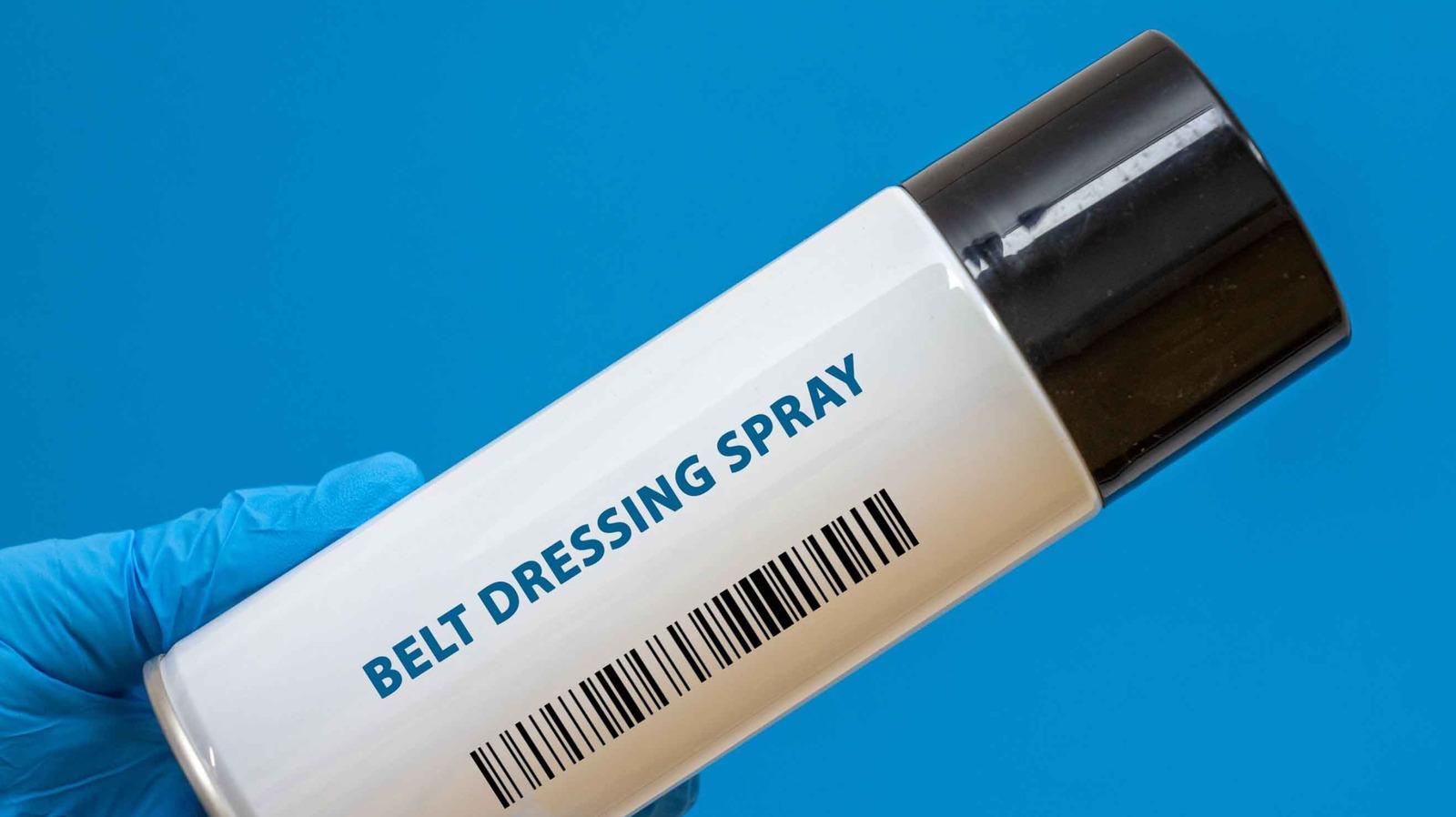
These are formulated with high‑temperature silicone that sticks to rubber without breaking it down. Brands like Liquid Wrench Belt Dressing and STP Belt Dressing are popular among DIYers.
2. Clean‑Pull Pulley Cleaner
A non‑oil based aerosol that removes grime without leaving a residue. It’s perfect for a quick wipe‑down before you re‑tension the belt.
3. Professional Belt Replacement
If the squeak persists after cleaning, the belt may be worn beyond its service life. A replacement—usually $30‑$80 for a serpentine belt—ensures longevity and restores optimal performance.
Step‑by‑Step: Fixing a Squeaky Belt the Right Way
- Park the car on a flat surface, engage the parking brake, and let the engine cool.
- Locate the belt and inspect it for cracks, glazing, or missing ribs.
- Use a clean‑pull cleaner on each pulley. Let it dry.
- If the belt looks healthy, apply a thin coat of belt dressing to the belt’s underside.
- Check belt tension using a tension gauge or the manufacturer’s deflection method.
- Start the engine and listen. The squeal should be gone; if not, consider replacing the belt.
Design & Dimensions of Common Serpentine Belts
| Model | Length (mm) | Width (mm) |
|---|---|---|
| Gates K060918 | 1120 | 15 |
| DuraGo 5‑V1178 | 1285 | 17 |
| Continental 7‑V1129 | 1150 | 16 |
| Dayco 8‑V1220 | 1320 | 18 |
Feature Comparison: Belt Dressing vs. WD‑40
| Feature | Belt Dressing | WD‑40 |
|---|---|---|
| Temperature Rating | Up to 250°C | Up to 150°C |
| Rubber Compatibility | Yes | No (degrades) |
| Dust Attraction | Low | High |
| Warranty Safe | Yes | No |
Engine Specifications That Influence Belt Choice
| Engine | Power (hp) | Torque (Nm) |
|---|---|---|
| 2.0L Turbo‑Petrol (Ford EcoBoost) | 250 | 350 |
| 3.0L V6 (Audi TFSI) | 340 | 500 |
| 1.5L Hybrid (Toyota Prius) | 121 | 142 |
| 2.5L Diesel (BMW 320d) | 190 | 400 |
Price Comparison: DIY vs. Dealership Service
| Service | Cost (USD) | Time Required |
|---|---|---|
| Buy Belt Dressing (16‑oz) | $12 | 5 min |
| Buy New Serpentine Belt | $45‑$80 | 30‑45 min |
| Dealership Belt Replacement | $180‑$250 | 1‑2 hrs |
| Professional Shop (Cleaning Only) | $45 | 45 min |
Frequently Asked Questions
- 1. Can I use a little WD‑40 just to clean the belt?
- It’s better to use a dedicated belt cleaner. Even a small amount of WD‑40 can leave a residue that attracts dust.
- 2. How often should I replace a serpentine belt?
- Most manufacturers recommend replacement every 60,000‑100,000 miles, but visual inspection every 12 months is wise.
- 3. Will belt dressing affect my car’s ADAS sensors?
- No, belt dressing is applied only to the belt and pulleys, well away from cameras or radar units.
- 4. My turbo‑petrol engine is louder after belt replacement. Why?
- A new belt can change the pitch of the accessory drive noise. If it’s excessively loud, check tension and pulley alignment.
- 5. Is a squeaky belt a sign of a failing water pump?
- Sometimes. A failing pump can cause excess vibration. Inspect the pump bearings while you’re in the engine bay.
- 6. Can I use silicone spray instead of belt dressing?
- Silicone spray may be too thin and can run off the belt, creating a mess. Belt dressing is formulated for the right thickness.
- 7. Do I need to re‑torque the tensioner after cleaning?
- Yes. After removing any old lubricant, re‑check the tension according to the service manual.
- 8. Will a belt dressing improve fuel economy?
- Only marginally, if at all. The main benefit is noise reduction and belt longevity.
- 9. My car has a dual‑belt system. Do both need the same treatment?
- Apply the same cleaning process to each belt, but verify the specific product recommendations for each belt type.
- 10. Is there a risk of over‑lubricating a belt?
- Absolutely. Too much dressing can cause slippage, especially under high load conditions like turbo boost.
Conclusion
Reaching for WD‑40 on a squeaky engine belt is a tempting shortcut, but it can do more harm than good. By understanding the belt’s role, using the right cleaning agents, and keeping tension in check, you’ll protect the rubber, preserve performance, and keep that irritating whine at bay. Whether you drive a turbo‑petrol hatchback, an ADAS‑enabled SUV, or a hybrid sedan, the right belt care routine will pay off in smoother rides and fewer trips to the shop.
For more in‑depth maintenance guides, visit CarCare.org and keep your vehicle running like new.