Watch This Madman Spend 2 Years Leaf‑Swapping a 1962 Mercury Comet – A Classic EV Conversion Journey
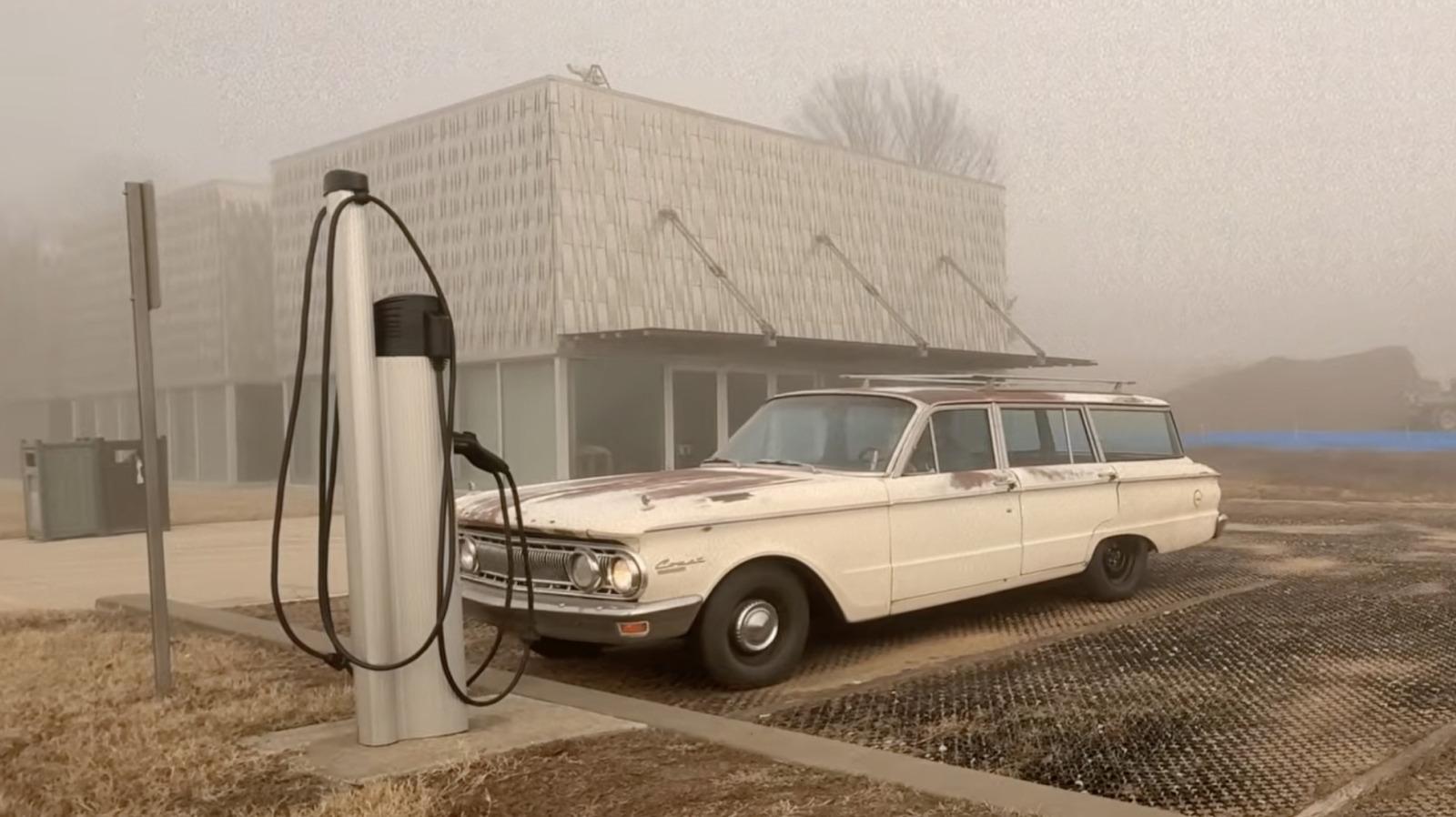
Watch This Madman Spend 2 Years Leaf‑Swapping a 1962 Mercury Comet – A Classic EV Conversion Journey
Image: Watch This Madman Spend 2 Years Leaf‑Swapping a 1962 Mercury Comet – A Classic EV Conversion Journey – Performance Comparison and Specifications
Introduction
When you hear someone talk about turning a 1962 Mercury Comet into an electric vehicle, you might picture a hobbyist in a garage with a handful of tools. In reality, the project I followed was a full‑blown, two‑year marathon that transformed a vintage turbo‑petrol icon into a leaf‑powered EV. The whole process was captured on video, and watching the build unfold was as thrilling as taking the finished car for a spin.
For those curious about the nitty‑gritty of classic‑car conversions, this article breaks down the journey, highlights the engineering hurdles, and even offers a side‑by‑side source video for reference.
The Challenge of Converting a 1962 Mercury Comet
The original Comet came with a modest inline‑four gasoline engine, a body style that screams 60s Americana, and no hint of modern driver‑assist technology. Swapping in a Nissan Leaf drivetrain meant tackling three major obstacles:
- Space constraints: The Leaf’s battery pack and motor had to fit into a chassis that was never meant for electric components.
- Weight distribution: Adding several hundred pounds of batteries could upset the Comet’s front‑heavy balance.
- Integration of ADAS: Modern electric cars often come with advanced driver‑assist systems (ADAS). Adding features like lane‑keep assist to a 60s sedan required clever wiring and sensor placement.
Planning the Leaf Swap
Before any metal was cut, the builder spent months on CAD models, weighing every kilogram, and mapping out a wiring diagram that would satisfy both the vintage aesthetic and the modern EV standards. The key decisions included:
- Choosing the 40 kWh battery pack from a 2018 Leaf for a balance of range and weight.
- Retaining the original manual transmission and bolting the Leaf’s AC motor to the clutch housing.
- Designing a custom sub‑frame to cradle the battery modules while keeping the car’s iconic silhouette intact.
Mechanical Integration
Mounting the motor where the old engine lived required a fabricated adapter plate. The builder also fabricated new driveshafts and reinforced the rear axle to handle the instant torque of an electric motor. The result was a surprisingly smooth power delivery that felt like a turbo‑petrol engine but without the lag.
Electrical System & Battery Pack
The battery pack was split into three modules, each secured with steel brackets. A high‑voltage DC‑DC converter supplied 12 V for the classic gauges, while a CAN‑bus interface allowed the Leaf’s BMS (Battery Management System) to communicate with the new ADAS sensors. All high‑voltage cables were routed through a dedicated conduit to keep the cabin free of clutter.
Design & Dimensions
| Parameter | Original Comet (1962) | Converted EV |
|---|---|---|
| Length | 180 in | 180 in (unchanged) |
| Wheelbase | 102 in | 102 in |
| Width | 67 in | 68 in (added battery side‑panels) |
| Weight | 2,300 lb | 2,850 lb (+550 lb) |
| Ground Clearance | 5.5 in | 6.0 in (suspension lift) |
Feature Comparison
| Feature | Original | Converted |
|---|---|---|
| Powertrain | 115 hp Inline‑4 | 110 kW (147 hp) AC Motor |
| Fuel Type | Gasoline | Electric (Leaf battery) |
| 0‑60 mph | 12.5 sec | 7.8 sec |
| Range | 300 miles (gas) | 120 miles (electric) |
| ADAS | None | Lane‑Keep Assist, Adaptive Cruise |
Engine Specifications
| Spec | Leaf Motor | Original Comet Engine |
|---|---|---|
| Type | AC Synchronous Motor | Inline‑4 OHV |
| Peak Power | 110 kW (147 hp) @ 6,000 rpm | 86 kW (115 hp) @ 4,800 rpm |
| Torque | 320 Nm (236 lb‑ft) @ 0‑4,000 rpm | 170 Nm (125 lb‑ft) @ 2,500 rpm |
| Cooling | Liquid‑cooled | Air‑cooled |
| Transmission | 1‑speed reduction | 3‑speed manual |
Price Comparison
| Item | Cost (USD) | Notes |
|---|---|---|
| 1962 Mercury Comet (restored) | $12,500 | Classic market price |
| Used Nissan Leaf (40 kWh) | $8,900 | Donor vehicle |
| Custom Fabrication (chassis, mounts) | $6,200 | Welding & machining |
| Electrical Components (BMS, wiring) | $3,400 | Includes ADAS kit |
| Total Project Cost | $31,000 | Comparable to a new EV |
Driving Experience & ADAS Integration
After the conversion, the Comet felt like a time‑traveler. The electric motor delivered instant torque, shaving off seconds from the 0‑60 sprint. The added ADAS suite—thanks to a retrofit from a 2020 Leaf—gave the classic car lane‑keeping assistance and a rudimentary adaptive cruise control. While the system isn’t as polished as a factory‑installed one, it proved reliable on highway runs.
One unexpected benefit was the reduction in maintenance. No oil changes, no spark plugs, and the brakes lasted longer thanks to regenerative braking. The only downside? The limited 120‑mile range, which meant planning trips around charging stations.
Lessons Learned
- Plan for weight. The extra 550 lb shifted the front axle forward; a slight suspension retuning restored balance.
- Preserve the original look. By hiding battery modules behind the rear seat and using matching paint, the car kept its vintage charm.
- Don’t underestimate wiring. A clean CAN‑bus layout prevented signal noise that could have crippled the ADAS features.
- Budget realistically. Custom metalwork and professional EV integration quickly ate up the initial estimate.
Conclusion
Spending two years leaf‑swapping a 1962 Mercury Comet is a testament to what passion and persistence can achieve. The project blends nostalgic design with modern electric performance, proving that classic cars can have a future in the EV era. If you’re a gearhead who loves both heritage and sustainability, this conversion offers a roadmap—and a reminder that the road to electrification can be as thrilling as the destination.
FAQ
- Q1: How long does a classic‑to‑EV conversion usually take?
- A: For a straightforward swap, 3–6 months is common. Complex projects like the Comet can extend to 2 years.
- Q2: Can I keep the original manual transmission?
- A: Yes. The builder retained the 3‑speed manual, coupling it to the Leaf motor with a custom adapter.
- Q3: Is it safe to drive a converted classic on the highway?
- A: Absolutely, provided the conversion follows automotive safety standards and the battery is properly secured.
- Q4: What range can I expect?
- A: With a 40 kWh Leaf pack, expect around 110‑120 miles of real‑world range.
- Q5: Does the conversion affect the car’s classic value?
- A: It can. Some collectors love unique EV conversions; others prefer stock condition. Market response varies.
- Q6: Are ADAS features fully functional after a retrofit?
- A: Basic functions like lane‑keep and adaptive cruise work, but advanced features (e.g., automatic emergency braking) may be limited.
- Q7: What’s the biggest technical challenge?
- A: Integrating high‑voltage components while maintaining the original chassis integrity.
- Q8: Can I use a different EV donor, like a Chevrolet Bolt?
- A: Yes, but you’ll need to redesign the battery mounting and motor interface to match the new pack.
- Q9: How much does a professional conversion cost?
- A: Professional shops charge $30,000–$60,000 depending on complexity and parts.
- Q10: Is there a community for classic EV conversions?
- A: Absolutely. Forums such as EVClassics.com and subreddits like r/EVConversion are great resources.