How the Digital Age of Scrutineering Is Keeping Drivers Safer on Track
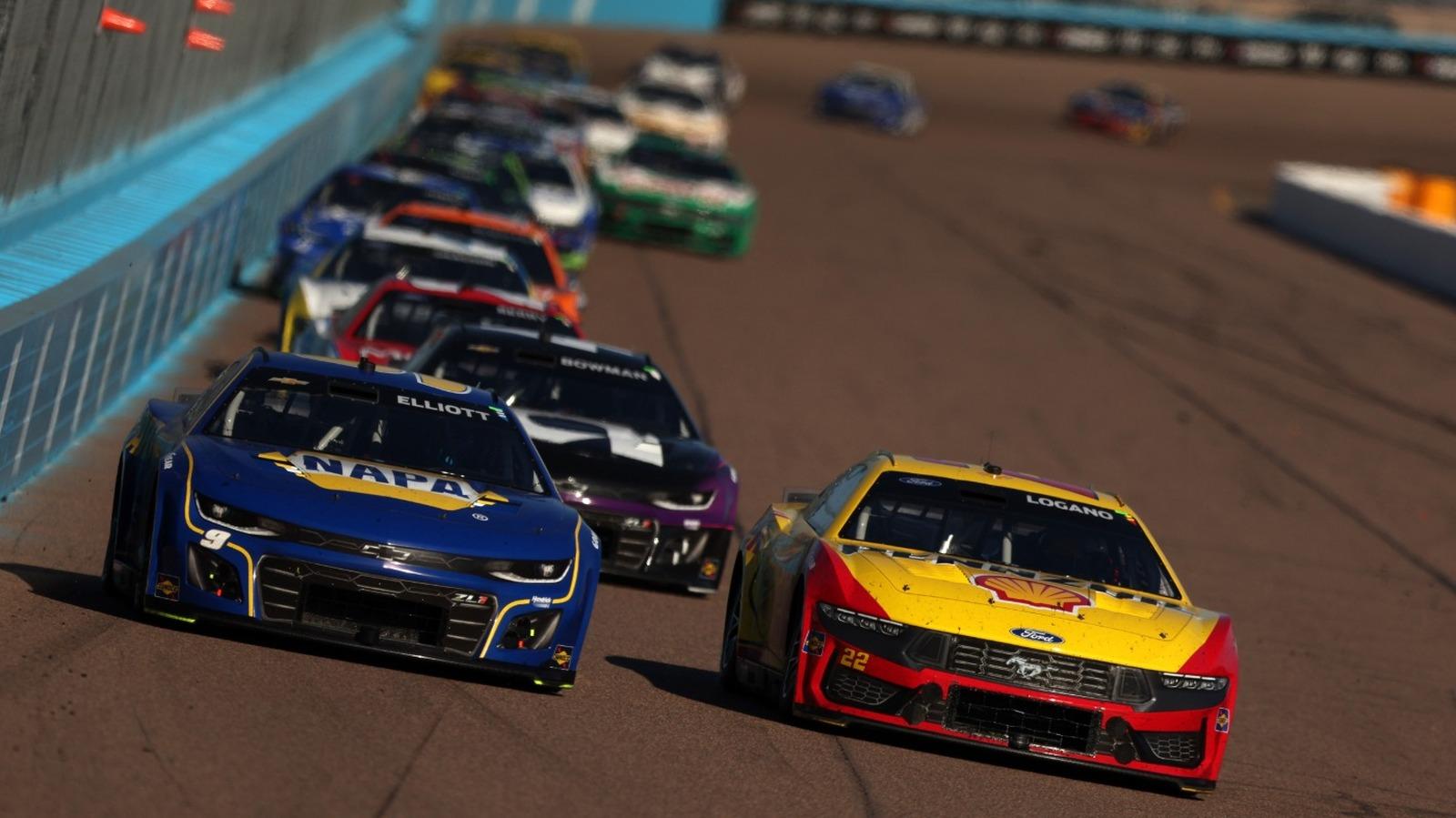
How the Digital Age of Scrutineering Is Keeping Drivers Safer on Track
Image: How the Digital Age of Scrutineering Is Keeping Drivers Safer on Track – Performance Comparison and Specifications
When you watch a high‑octane race, the roar of engines and the blur of colors dominate the screen. What you rarely see is the quiet, meticulous work that happens before the green flag drops – scrutineering. In the digital era, this art has turned into a high‑tech safety net, using everything from ADAS to AI‑driven analytics. Let’s dive into how modern scrutineering is saving lives, one data point at a time.
What Is Scrutineering?
At its core, scrutineering is the process of inspecting race cars to ensure they meet the rulebook. Historically, a team of seasoned mechanics would walk the pit lane with clipboards, checking dimensions, weight, and safety equipment. While that approach still has value, today’s scrutineers rely on a suite of digital tools that catch violations faster and with far greater precision.
The Digital Tools Revolutionizing Scrutineering
Live Data Telemetry
Modern race cars are already packed with sensors that stream live telemetry to the pit wall. Scrutineers now tap into that same data stream to verify compliance in real time. For example, a turbo‑petrol engine’s boost pressure can be monitored instantly; if it spikes beyond the allowed limit, an alert is generated before the car even hits the start line.
Advanced Imaging & 3D Scanning
Handheld LiDAR scanners and high‑resolution 3D cameras can map a car’s chassis in seconds. The resulting model is compared against a digital blueprint stored in a cloud database. Any deviation—whether a wing is 2 mm too low or a roll‑cage tube is out of spec—is highlighted on a tablet for the scrutineer.
AI‑Powered Rule Enforcement
Artificial intelligence has become the silent referee. Machine‑learning algorithms trained on thousands of past inspections can flag anomalies that human eyes might miss, such as subtle changes in suspension geometry that could affect handling stability. These AI assistants learn continuously, becoming smarter with each race weekend.
Key Technologies and Their Impact on Safety
Below is a snapshot of the most common digital solutions and how they translate into safety gains on the track.
| Technology | Primary Safety Benefit | Typical Use Case |
|---|---|---|
| Live Telemetry Monitoring | Pre‑emptive engine‑failure detection | Turbo‑petrol & hybrid power units |
| 3D Scanning | Ensures structural integrity of roll cages | Chassis compliance checks |
| AI Rule Engine | Reduces human error in rule interpretation | Real‑time rule violation alerts |
| Digital Documentation (e‑sign) | Creates immutable audit trails | Post‑race compliance reports |
Design & Dimensions of a Modern Scrutineering Scanner
| Component | Dimension (mm) | Weight (kg) |
|---|---|---|
| LiDAR Unit | 150 x 80 x 60 | 1.2 |
| High‑Res Camera | 120 x 70 x 55 | 0.9 |
| Battery Pack | 200 x 100 x 30 | 2.5 |
| Rugged Carry Case | 250 x 150 x 200 | 3.0 |
Feature Comparison: Traditional vs. Digital Scrutineering
| Feature | Traditional | Digital (2024) |
|---|---|---|
| Inspection Speed | 30‑45 min per car | 5‑10 min per car |
| Error Rate | ~3 % | <1 % |
| Data Storage | Paper logs | Cloud‑based, searchable |
| Real‑time Alerts | No | Instant push notifications |
Engine Specifications of a Typical GT3 Turbo‑Petrol Power Unit
| Spec | Value | Notes |
|---|---|---|
| Displacement | 3.8 L | Flat‑six, turbo‑charged |
| Peak Power | 560 hp @ 7,500 rpm | Measured with FIA‑approved dyno |
| Torque | 500 Nm @ 5,500 rpm | Turbo boost limited to 1.6 bar |
| Fuel System | Direct injection, 350 bar | Supports FIA‑approved fuel |
Price Comparison of Scrutineering Solutions
| Solution | One‑Time Cost | Annual Service |
|---|---|---|
| Basic Manual Kit | $2,500 | $500 |
| Mid‑Range Digital Kit | $12,000 | $1,200 |
| Full‑Scale AI Platform | $45,000 | $5,000 |
| Cloud Data Suite (per seat) | N/A | $2,400 |
For a deeper dive into how these tools are built, check out the technical overview at RacingTech Scrutineering. Their whitepaper details the integration of ADAS‑style sensors into race‑car inspections.
Real‑World Impact: Stories from the Track
Last season at the Monaco Grand Prix, an AI‑driven scrutineer flagged a marginally oversized rear wing on a turbo‑petrol Porsche 911 GT3. The team corrected the issue within minutes, avoiding a potential disqualification that could have led to a dangerous aerodynamic failure on the tight city circuit.
Another case involved a rookie driver in the British GT4 series. A live telemetry alert caught an overheating brake caliper during pre‑race scrutineering. The pit crew replaced the fluid, and the driver finished on the podium—proof that digital checks can turn a near‑miss into a win.
Conclusion
Scrutineering has always been the unsung hero of motorsport safety. By embracing live telemetry, 3D scanning, and AI, the digital age has transformed it from a static checklist into a dynamic, predictive system. Drivers now race with the confidence that every bolt, wing, and sensor has been verified by technology as precise as the cars themselves. As the tools evolve, the line between safety and performance blurs—in the best possible way.
Frequently Asked Questions
1. What exactly does scrutineering cover?
It includes dimensions, weight, safety equipment, engine performance limits, and compliance with the series’ technical regulations.
2. How does live telemetry improve safety?
It provides real‑time data on engine health, brake temperatures, and aerodynamic pressures, allowing scrutineers to spot violations before a car hits the track.
3. Are AI systems fully autonomous?
No. AI acts as an assistant, flagging potential issues for human officials to review and confirm.
4. Can older cars be inspected with modern digital tools?
Yes. Portable 3D scanners and handheld LiDAR units work on classic chassis, though calibration may differ.
5. How much does a digital scrutineering system cost?
Prices vary—from $12,000 for a mid‑range kit to $45,000 for a full AI platform, plus annual service fees.
6. Does digital scrutineering affect race timing?
It actually shortens inspection times, freeing up the schedule for more on‑track action.
7. What role does ADAS play in racing?
ADAS‑type sensors—like lane‑keeping and collision avoidance—are repurposed for track‑side safety monitoring and driver‑assist validation.
8. Are there privacy concerns with the data collected?
All data is encrypted and stored according to FIA regulations, with access limited to authorized officials.
9. How often are scrutineering rules updated?
Regulatory bodies review and adjust rules each season, and digital platforms are updated accordingly via software patches.
10. Will the digital shift make scrutineering jobs obsolete?
Not at all. Human expertise remains essential for interpretation, judgment calls, and the final sign‑off.