What’s the Difference Between an ATV and a UTV?
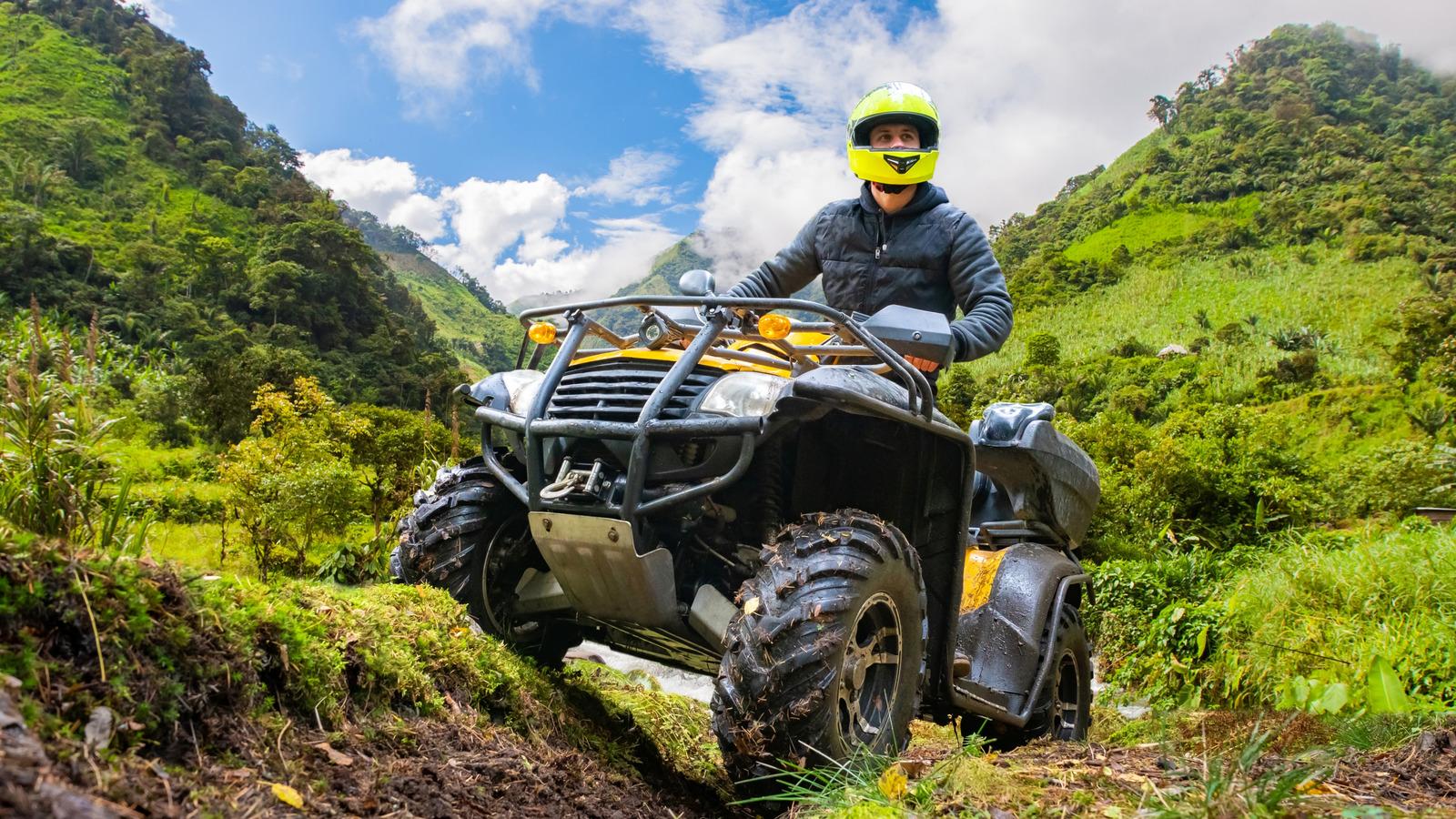
What’s the Difference Between an ATV and a UTV? – A Complete Guide
Image: What’s the Difference Between an ATV and a UTV? – A Complete Guide – Performance Comparison and Specifications
When you step onto the trail, the first thing you want is a machine that feels right for you. All‑terrain vehicles (ATVs) and utility‑terrain vehicles (UTVs) both dominate the off‑road market, yet they cater to different riding styles, passengers, and tasks. In this guide we’ll break down the key differences, compare specs, and help you decide which four‑wheeler deserves a spot in your garage.
Design & Dimensions
At a glance, an ATV looks like a motorcycle with a wide set of handlebars, while a UTV resembles a small truck with a steering wheel and side‑by‑side seating. Below is a quick visual of how they stack up.
| Attribute | ATV | UTV |
|---|---|---|
| Overall Length | 73–85 in | 95–115 in |
| Overall Width | 46–55 in | 64–78 in |
| Seat Height | 30–38 in | 38–44 in |
| Ground Clearance | 10–12 in | 12–15 in |
Feature Comparison
Beyond size, the two vehicle families differ in comfort, safety, and utility. Here’s a side‑by‑side look at the most‑asked‑for features.
| Feature | ATV | UTV |
|---|---|---|
| Seating | Single rider (optional passenger strap) | 2‑6 passengers, seat belts |
| Steering | Handlebars | Steering wheel |
| Cargo Capacity | Small rear rack (up to 150 lbs) | Rear bed or cargo box (up to 1,200 lbs) |
| Safety Tech | Basic roll‑over protection (ROPS) | Seat belts, roll‑cage, ADAS options, electronic stability control |
| Transmission | Manual or semi‑auto | Automatic (some with manual mode) |
Engine Specifications
Both platforms have embraced modern powerplants, from air‑cooled four‑strokes to turbo‑petrol units. The table below highlights typical ranges.
| Specification | ATV | UTV |
|---|---|---|
| Displacement | 400–700 cc | 600–1,200 cc |
| Horsepower | 30–55 hp | 45–200 hp (turbo‑petrol models like the Can‑Am Maverick X3) |
| Torque | 30–45 lb‑ft | 55–190 lb‑ft |
| Fuel Type | Petrol (regular unleaded) | Petrol, some diesel, and emerging hybrid units |
Price Comparison
Budget is a major factor, especially when you compare entry‑level models to high‑performance machines. Prices vary by brand, engine size, and added accessories.
| Category | ATV | UTV |
|---|---|---|
| Entry‑Level | $4,500 – $6,000 (e.g., Honda FourTrax 300) | $8,500 – $12,000 (e.g., Polaris RZR 570) |
| Mid‑Range | $7,000 – $9,500 (e.g., Yamaha Wolverine X4) | $15,000 – $22,000 (e.g., Can‑Am Commander) |
| High‑End | $10,000 – $13,500 (race‑tuned ATVs) | $30,000 – $55,000 (turbo‑petrol UTVs like the Maverick X3) |
Choosing the Right Machine for You
Here are a few scenarios to help you match your lifestyle with the proper vehicle.
Solo Trail Riding
If you crave agility and love weaving through tight forest tracks, an ATV such as the Yamaha Wolverine offers a low centre of gravity and nimble handling. The single‑rider design also means less weight, which translates to better fuel economy.
Family Outings & Cargo Hauling
When you need to transport kids, gear, or a freshly‑caught trophy, a UTV shines. Models like the Polaris RZR XP or the Can‑Am Maverick provide side‑by‑side seats, seat belts, and a sturdy cargo box that can handle a few hundred pounds.
Worksite Utility
Farmers and construction crews often prefer UTVs for their roll‑cage safety, larger payload, and optional winches. The ADAS packages now available on premium UTVs give you traction‑control and hill‑hold assistance—features rarely found on ATVs.
Performance & Racing
For competitive riders, the turbo‑petrol power of a Can‑Am Maverick X3 or the high‑revving Honda Talon 1000R offers exhilarating acceleration, while ATVs like the Honda CRF450R still deliver race‑ready performance in a lighter package.
Maintenance & Ownership Costs
Both vehicles need regular oil changes, tire checks, and brake inspections. However, UTVs often have higher service bills because of larger engines and more complex electronics (think infotainment screens and advanced ADAS sensors). ATVs, with their simpler mechanical layout, can be a bit kinder on the wallet.
Bottom Line
There’s no one‑size‑fits‑all answer. If you ride solo, value agility, and keep a tight budget, an ATV is likely the better fit. If you regularly carry passengers, gear, or need the added safety of seat belts and a roll‑cage, a UTV will serve you better—and the price gap is narrowing as more manufacturers introduce entry‑level models.
Whichever you choose, make sure you test‑drive both types, check local regulations (some states require helmets on ATVs but not on UTVs), and consider long‑term needs like storage space and maintenance capabilities.
Frequently Asked Questions
1. Can I ride an ATV with a passenger?
Yes, most ATVs have a rear passenger seat with a safety strap, but the ride will feel less stable than a solo ride.
2. Do UTVs require a driver’s license?
Regulations vary by state; many UTVs are classified as off‑road vehicles and do not require a standard driver’s license, but you may need a recreational vehicle permit.
3. Which is more fuel‑efficient?
Generally, ATVs consume less fuel due to smaller engines. Expect 12‑15 mpg on an ATV versus 8‑12 mpg on a mid‑size UTV.
4. Are there electric ATVs or UTVs?
Yes. Brands like Polaris and Yamaha now offer electric models such as the Polaris Ranger EV, delivering zero‑emission power for short‑range work tasks.
5. What safety gear should I wear?
Helmet, goggles, gloves, long‑sleeve shirt, and sturdy boots are essential for both ATVs and UTVs. UTV passengers should also wear seat belts.
6. Can I install a winch on an ATV?
It’s possible, but most owners prefer a UTV for winch work because the frame can handle higher pulling forces.
7. How do I choose the right engine size?
Match engine displacement to your intended use: 400–500 cc for casual trail riding, 600+ cc for heavy‑duty hauling, and turbo‑petrol options for high‑performance needs.
8. Do UTVs have advanced driver assistance systems (ADAS)?
Premium UTVs now offer ADAS features like electronic stability control, hill‑descent control, and even forward‑collision warning.
9. What is the typical warranty period?
Most manufacturers provide 2‑year/2,000‑mile powertrain warranties, with extended coverage available for an additional cost.
10. Where can I find more detailed specifications?
Visit the official manufacturer sites such as Polaris Off‑Road, Can‑Am Off‑Road, or reputable review portals like Motorcycle.com for up‑to‑date data.
Ready to hit the trail? Whether you pick an ATV or a UTV, the key is to match the vehicle to your adventure style, budget, and safety expectations.