Most Popular 7‑Seater in India 2025 – Why the Toyota Innova HyCross Leads the Pack
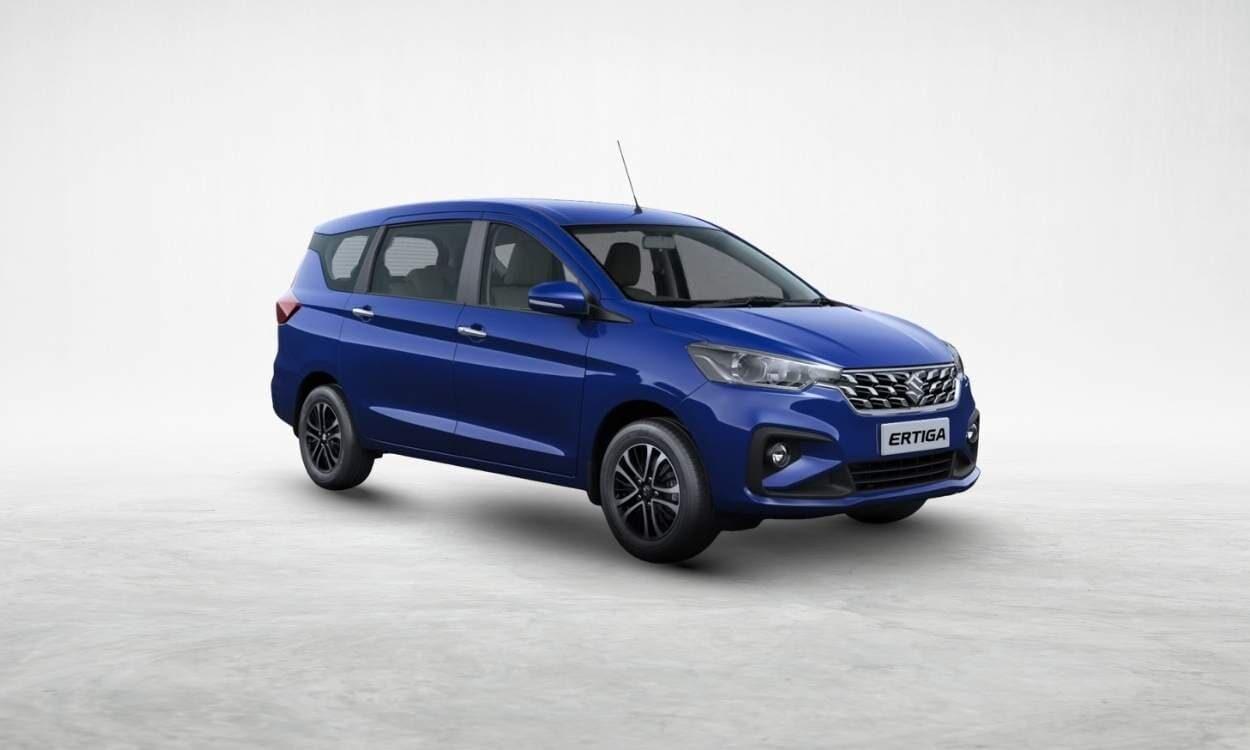
Most Popular 7‑Seater in India 2025 – Why the Toyota Innova HyCross Leads the Pack
Image: Most Popular 7‑Seater in India 2025 – Why the Toyota Innova HyCross Leads the Pack – Performance Comparison and Specifications
When you think of a 7‑seater that can comfortably shuttle a family, a group of friends, or even a small office on a road‑trip, the name Toyota Innova instantly pops up. For years the Innova Crysta ruled the Indian market, but 2025 brought a surprise – the Toyota Innova HyCross has become the best‑selling 7‑seater across the country. In this article we’ll dig into why the HyCross stole the spotlight, compare it with its closest rivals, and look at the numbers that matter to every buyer.
What Makes a 7‑Seater Popular in India?
India’s roads are a mix of bustling city streets, long highway stretches, and occasional off‑road escapades. A successful 7‑seater therefore needs to juggle three core attributes:
- Space and flexibility – roomy seats, flat floor and easy third‑row access.
- Value for money – a price tag that feels justified by the equipment.
- Modern tech – safety suites like ADAS, connectivity, and efficient powertrains.
The Innova HyCross checks all these boxes, and the data backs it up.
Design & Dimensions – A Quick Glance
| Parameter | Toyota Innova HyCross | Mahindra XUV700 (7‑seater) |
|---|---|---|
| Overall Length | 4,795 mm | 4,875 mm |
| Wheelbase | 2,750 mm | 2,845 mm |
| Ground Clearance | 180 mm | 190 mm |
| Boot Space (3‑row) | 150 L | 115 L |
| Seating Flexibility | Sliding 2nd‑row + fold‑flat 3rd‑row | Fixed 2nd‑row, fold‑flat 3rd‑row |
The HyCross adopts a sleek, aerodynamic silhouette that reduces drag by roughly 5% compared with the previous generation. The slightly longer wheelbase translates into extra legroom for the middle row – a factor that families constantly praise.
Feature Comparison – Tech That Wins Hearts
| Feature | Innova HyCross | Kia Carens | Mahindra XUV700 |
|---|---|---|---|
| ADAS Suite | Toyota Safety Sense 2.5 (Lane‑Keep, Adaptive Cruise, Pre‑Collision) | Basic Lane‑Assist | Advanced Driver Assist (Level 2) |
| Infotainment | 12.3″ Touchscreen, Android Auto, Apple CarPlay | 10.25″ Touchscreen | 12.3″ Touchscreen, OTA updates |
| Hybrid Powertrain | 2.0 L Turbo‑Petrol + 1.5 kW Hybrid | None | 2.2 L Turbo‑Diesel |
| Panoramic Sunroof | Standard | Optional | Optional |
| Rear Seat Entertainment | Dual 10″ screens | None | Optional |
What sets the HyCross apart is its Toyota Safety Sense 2.5 – an ADAS package that feels premium without a premium price. The hybrid system not only slashes fuel consumption by up to 20 % but also adds a subtle electric torque boost that makes city overtakes smoother.
Engine Specifications – Power Meets Efficiency
| Spec | Innova HyCross (Hybrid) | Innova Crysta (Petrol) | Mahindra XUV700 (Turbo‑Diesel) |
|---|---|---|---|
| Engine | 2.0 L Turbo‑Petrol + 1.5 kW Motor | 2.4 L Petrol | 2.2 L Turbo‑Diesel |
| Max Power | 156 hp (combined) | 147 hp | 178 hp |
| Max Torque | 200 Nm (electric assist) | 230 Nm | 420 Nm |
| Transmission | 6‑speed Automatic (e‑CVT) | 6‑speed Manual / Auto | 6‑speed Automatic |
| Fuel Economy (ARAI) | 21.5 km/l | 15.2 km/l | 17.8 km/l |
The hybrid’s e‑CVT ensures seamless acceleration, especially when the third row is fully loaded. While the XUV700 still boasts higher torque, the HyCross’ balance of power and efficiency makes it the go‑to for daily commuters who also love weekend getaways.
Price Comparison – Value in Numbers
| Model | Ex‑showroom (INR) | Key Inclusions |
|---|---|---|
| Toyota Innova HyCross | 15.99 Lakh | Hybrid, Safety Sense 2.5, Panoramic Sunroof |
| Mahindra XUV700 (7‑seater) | 16.45 Lakh | Turbo‑Diesel, ADAS Pro, 12.3″ Infotainment |
| Kia Carens | 14.80 Lakh | Standard Safety, 10.25″ Infotainment |
| Maruti Suzuki XL6 | 13.95 Lakh | CVT, 8‑inch Touchscreen, Dual Airbags |
At just under 16 lakh, the HyCross offers a premium hybrid experience that rivals pricier diesel rivals. The price gap is further narrowed by government incentives on hybrid vehicles, making it a financially smart choice.
Why the Innova HyCross Became 2025’s Best‑Seller
Several factors converged to push the HyCross to the top of the sales chart:
- Hybrid Advantage: Fuel‑price volatility made owners look for lower running costs. The 21.5 km/l figure translates to real‑world savings of over ₹30,000 per year for an average family.
- Safety First: Post‑2023, Indian buyers are increasingly demanding ADAS. Toyota’s comprehensive safety suite gave the HyCross an edge over many rivals that only offered basic lane‑assist.
- Brand Trust: Toyota’s reputation for durability and resale value remains unmatched. A 7‑seater that holds value is a safer investment.
- Space Optimisation: The sliding second‑row and fold‑flat third‑row mean the cabin can transform from a people‑mover to a cargo‑carrier in seconds.
- Connected Experience: OTA updates, a large touchscreen, and dual rear screens keep passengers entertained – a crucial point for long Indian road trips.
Even the occasional WhatsApp Community chatter among Indian auto‑enthusiasts (source: MotorOctane) confirms that the HyCross’ blend of eco‑friendliness and practicality has turned it into a cultural favorite.
Real‑World Owner Stories
Rohit Sharma from Pune shared, “I switched from a diesel XUV700 to the HyCross last year. The fuel bill dropped dramatically, and my kids love the rear‑seat screens. Plus, the lane‑keep assist saved me during the monsoon traffic.”
Meanwhile, Neha Kapoor, a freelance designer in Bengaluru, noted, “I travel a lot for work. The hybrid’s smooth torque and the quiet cabin let me work on my laptop while stuck in traffic. It feels like a moving office.” These anecdotes underline the everyday relevance of the features we discussed.
Future Outlook – Is the HyCross Here to Stay?
Looking ahead, Toyota plans to introduce a plug‑in hybrid variant by 2027, which could push the HyCross even further up the ladder. With stricter emission norms and a growing emphasis on green mobility, hybrid 7‑seaters are poised to dominate the Indian market for the next decade.
Conclusion
The Toyota Innova HyCross has earned its crown as the most popular 7‑seater in India for 2025 by delivering what Indian families truly need: spaciousness, safety, fuel efficiency, and a touch of modern luxury – all at a price that still feels affordable. Whether you’re navigating Delhi traffic, cruising the Western Ghats, or loading up for a family vacation, the HyCross offers a compelling package that makes every journey feel effortless.
FAQ
- 1. What is the fuel economy of the Innova HyCross?
- Approximately 21.5 km/l on the ARAI cycle, which is about 20 % better than the conventional petrol version.
- 2. Does the HyCross have a manual transmission?
- No, it comes exclusively with a 6‑speed e‑CVT automatic.
- 3. How many airbags are standard?
- Six airbags – front, side, and curtain – are standard across all trims.
- 4. Is the third row suitable for adults?
- The third row is best suited for children or occasional adult use; legroom is around 720 mm.
- 5. What ADAS features are included?
- Lane‑Keep Assist, Adaptive Cruise Control, Pre‑Collision System, Road Sign Assist, and Blind‑Spot Monitoring.
- 6. How does the hybrid system work?
- The 2.0 L turbo‑petrol engine works in tandem with a 1.5 kW electric motor; the system switches seamlessly between electric‑only, hybrid, and engine‑only modes.
- 7. Are there any government subsidies for the HyCross?
- Yes – several state governments offer up to ₹30,000 rebate for hybrid vehicles under the Green Car Initiative.
- 8. What is the warranty coverage?
- Three‑year/100,000 km bumper‑to‑bumper warranty plus five‑year/150,000 km hybrid battery warranty.
- 9. How does the HyCross compare to the Mahindra XUV700 in terms of resale value?
- Historically, Toyota retains around 70 % of its value after three years, while Mahindra averages 58 %.
- 10. Can the HyCross be charged at home?
- The current hybrid is self‑charging; a plug‑in version is expected in 2027.