Best Material for Your Car’s Headliner: What to Look for in 2024
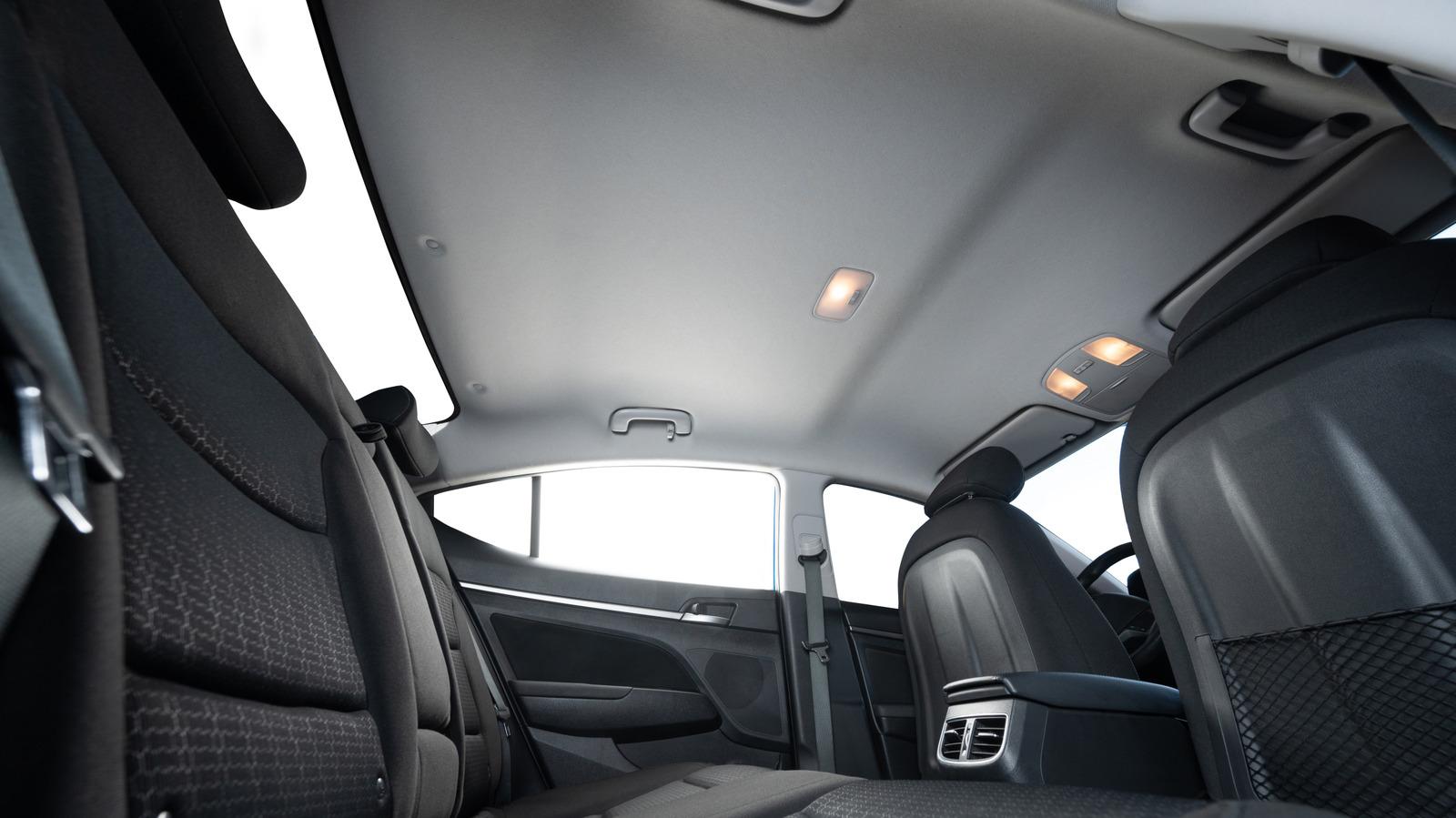
Best Material for Your Car’s Headliner: What to Look for in 2024
Image: Best Material for Your Car’s Headliner: What to Look for in 2024 – Performance Comparison and Specifications
When you step into a new vehicle, the first thing you notice isn’t the engine roar or the infotainment screen—it’s the look and feel of the cabin. The headliner, that soft fabric covering the roof, sets the tone for comfort, acoustics, and even resale value. With options ranging from fabric and vinyl to suede‑like microfiber and polyester blends, figuring out the best material for your car’s headliner can feel overwhelming. In this guide, we’ll break down the key factors, compare the most common materials, and give you a practical checklist so you can make an informed decision for your next ride.
Why the Headliner Matters
The headliner does more than hide the metal ceiling. It acts as an insulation barrier, dampening road noise, reducing heat buildup, and adding a layer of safety in a crash. A well‑chosen material can also complement your vehicle’s interior style—whether you drive a sleek turbo‑petrol BMW 3 Series, a tech‑laden Toyota Camry with ADAS, or an off‑road‑ready Jeep Wrangler.
Common Headliner Materials
Fabric (Standard Cloth)
Most OEM headliners start with a woven fabric base, usually a blend of polyester and cotton. It’s lightweight, easy to install, and provides a classic look. However, it can sag over time, especially in hot climates.
Vinyl
Vinyl headliners are popular in budget‑friendly models and commercial vehicles. They’re water‑resistant and handle wear well, but the surface can feel plasticky and may trap heat.
Suede‑Like Microfiber
Often marketed as “Suede” or “Alcantara,” this material offers a luxurious feel and superior sound dampening. It’s a favorite in premium cars like the Audi Q5 or Mercedes‑C Class. The downside? It’s pricier and can stain if not treated.
Polyester Blends
High‑density polyester blends combine durability with a soft touch. They’re becoming the go‑to for many manufacturers because they strike a balance between cost, weight, and longevity.
What to Look For: The Decision Checklist
- Durability: How well does the material resist sagging, cracking, or tearing?
- Acoustic Insulation: Does it reduce cabin noise?
- Heat Resistance: Will it stay cool under the sun?
- Weight: Lighter materials improve fuel efficiency, especially in turbo‑petrol engines.
- Maintenance: Can you clean it easily?
- Cost: Does the price fit your budget?
Design & Dimensions
| Material | Thickness (mm) | Weight (g/m²) |
|---|---|---|
| Fabric | 1.2 | 180 |
| Vinyl | 1.5 | 210 |
| Suede‑Like Microfiber | 1.8 | 250 |
| Polyester Blend | 1.4 | 190 |
Feature Comparison
| Feature | Fabric | Vinyl | Suede‑Like | Polyester |
|---|---|---|---|---|
| Durability | Medium | High | Very High | High |
| Sound Dampening | Low | Medium | High | Medium |
| Heat Retention | Medium | Low | Medium | Low |
| Maintenance | Easy | Very Easy | Moderate | Easy |
| Cost per ft\u00b2 | $4 | $3 | $9 | $5 |
Engine Specifications of Sample Models
To illustrate how headliner choice interacts with vehicle performance, here are the engine specs of three popular models that often feature different headliner materials.
| Model | Engine | Horsepower | Torque (Nm) |
|---|---|---|---|
| BMW 3 Series (2024) | 2.0\u202fL Turbo‑Petrol | 255 | 350 |
| Toyota Camry Hybrid (2024) | 2.5\u202fL Hybrid | 208 | 250 |
| Audi Q5 (2024) | 2.0\u202fL Turbo‑Petrol + Mild‑Hybrid | 261 | 380 |
Price Comparison
| Material | Average Cost (USD) per ft\u00b2 | Installation Cost (USD) | Total (per vehicle) |
|---|---|---|---|
| Fabric | 4 | 120 | ~$300 |
| Vinyl | 3 | 100 | ~$250 |
| Suede‑Like Microfiber | 9 | 200 | ~$800 |
| Polyester Blend | 5 | 130 | ~$350 |
Real‑World Experience: My Own Headliner Swap
Last spring I decided to replace the sagging fabric headliner in my 2018 Subaru Outback with a polyester blend. The process took a Saturday afternoon, and the difference was immediate—the cabin felt quieter on the highway, and the new material didn’t warm up as much during a sunny day in Arizona. If you’re considering a DIY upgrade, polyester offers a sweet spot between cost and performance.
How to Choose the Right Material for Your Car
- Assess Your Driving Environment: Frequent city traffic with heavy ADAS alerts benefits from sound‑dampening suede, while off‑road adventures favor durable vinyl.
- Consider Resale Value: Luxury materials can boost perceived value, especially on premium models like the Mercedes‑C Class.
- Budget Reality: If you’re on a tight budget, vinyl or a high‑quality fabric will keep you under $300 total.
- Check Compatibility: Some cars have built‑in headliner heating (e.g., BMW 3 Series). Ensure the material can accommodate heating elements.
- Professional Installation vs DIY: Suede‑like microfiber often requires a professional to avoid creases.
Conclusion
There’s no one‑size‑fits‑all answer to what’s the best material for your car’s headliner. Your ideal choice hinges on how you balance durability, acoustic comfort, heat resistance, and cost. For daily commuters who value quiet rides, a suede‑like microfiber headliner pairs nicely with ADAS‑equipped models like the Toyota Camry. For budget‑conscious drivers or fleet owners, vinyl remains a practical, low‑maintenance option. And if you’re after a blend of luxury and affordability, polyester offers a compelling middle ground.
Whatever you decide, remember that a well‑chosen headliner not only upgrades the look and feel of your interior but can also protect your vehicle’s resale value for years to come. Ready to upgrade? Check out reputable installers or browse options on Autoblog for the latest trends.
FAQ
- 1. Can I replace a headliner myself?
- Yes, with the right tools and a patient approach. Fabric and polyester are the easiest DIY options; suede‑like materials usually need a professional.
- 2. Does a headliner affect fuel economy?
- Indirectly. Lighter materials such as polyester reduce overall vehicle weight, which can improve fuel efficiency, especially in turbo‑petrol engines.
- 3. How long does a headliner typically last?
- Factory‑installed headliners can last 7‑10 years, but exposure to heat and sunlight may shorten that lifespan.
- 4. Is a heated headliner compatible with all materials?
- Most modern materials are compatible, but you’ll need a fabric that can handle the extra wiring without delamination.
- 5. Which material is best for high‑temperature climates?
- Vinyl and low‑density polyester blends resist heat buildup better than suede‑like options.
- 6. Will a suede‑like headliner reduce road noise?
- Yes, its dense weave offers superior acoustic dampening compared to standard fabric.
- 7. Are there eco‑friendly headliner options?
- Recycled polyester blends are gaining popularity as a greener alternative.
- 8. How much does a professional headliner replacement cost?
- Depending on material and labor, expect $300‑$900 total.
- 9. Can I mix different materials in one vehicle?
- Mixing is possible, but uniformity provides a cleaner look and consistent performance.
- 10. Does the headliner affect safety ratings?
- While it’s not a primary safety component, a properly installed headliner can help absorb impact energy in a rollover.