5 Small Mistakes That Can Cause Big Damage To Your Wheels
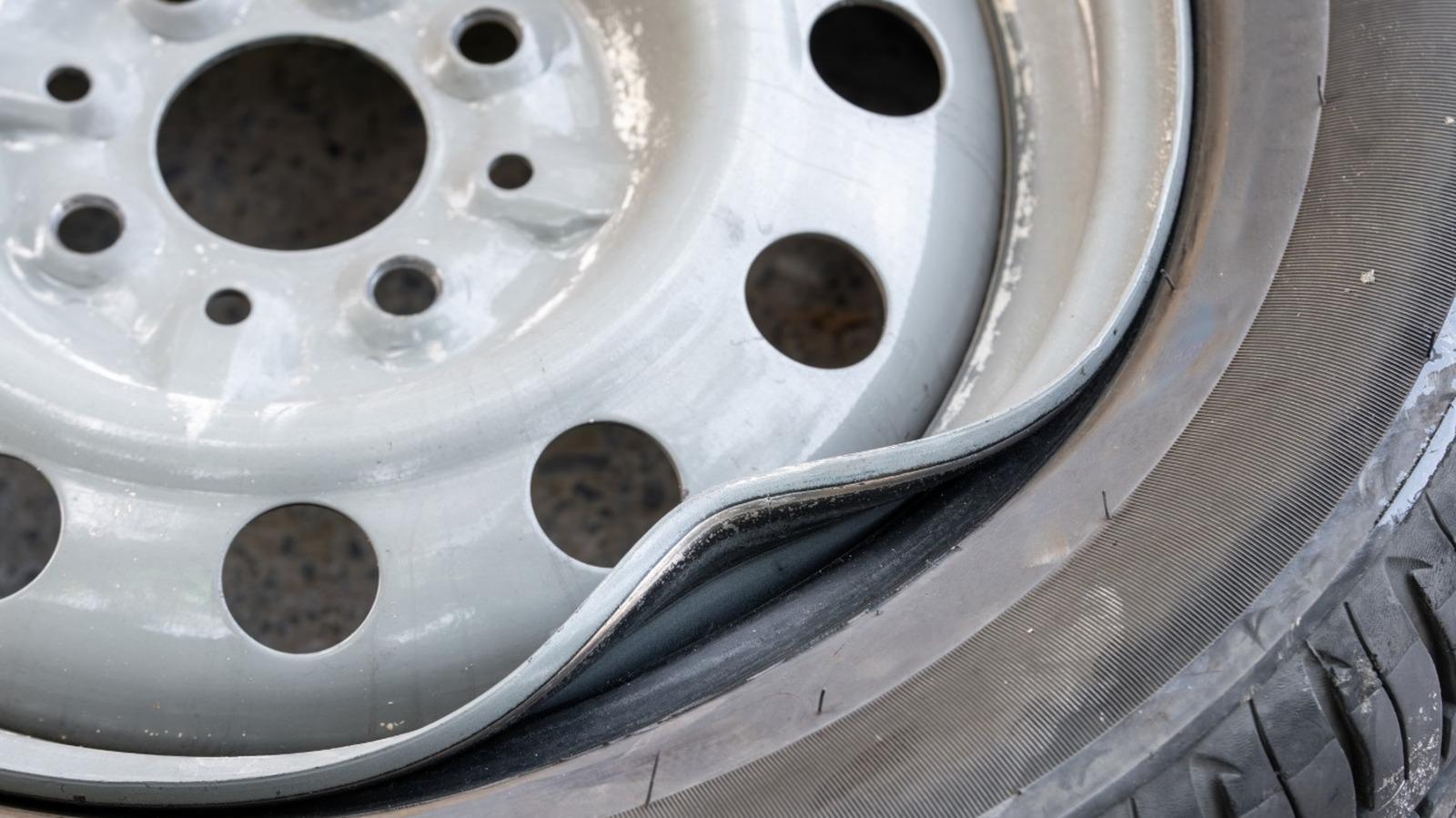
5 Small Mistakes That Can Cause Big Damage to Your Wheels – Avoid Costly Repairs
Image: 5 Small Mistakes That Can Cause Big Damage to Your Wheels – Avoid Costly Repairs – Performance Comparison and Specifications
Think damaging your wheels is hard to do? In reality, tiny habits in daily driving and routine maintenance can snowball into serious problems that cost you a nice chunk of change. Whether you own a sleek Tesla Model 3, a turbo‑petrol Volkswagen Golf GTI, or a rugged Ford Ranger, the wheels are the only part of the car that actually touches the road – and they deserve a little extra love.
1. Ignoring Proper Tire Inflation
Most drivers check their tire pressure only when the CEL flashes or when the car feels odd. Under‑inflated tires create excessive sidewall flex, which generates heat and can lead to a blow‑out. Over‑inflated tires, on the other hand, reduce the contact patch, making the wheel more vulnerable to impact damage from potholes.
My own experience: I once topped off the front tires on a BMW 3 Series with a portable air compressor set too high. Within a week, I heard a faint humming noise that turned out to be a developing tread separation – a repair that ran over $1,200.
Quick Tip
Check pressure at least once a month and before long trips. Use the vehicle’s recommended PSI (usually found on the driver’s door jamb) and adjust for temperature changes.
2. Skipping Wheel Alignment
Misalignment doesn’t just cause uneven tire wear; it also forces the wheel hub to work harder, stressing the bearings and the wheel’s mounting bolts. A common mistake is assuming that a gentle pull to one side is just “bad road” – it’s often a sign that the camber or toe is out of spec.
When I drove my Honda Civic Type R after a weekend of mountain roads, the steering felt loose. A quick alignment at a local shop saved me from premature tire wear and a possible bent rim.
How to Know It’s Time
- Uneven tread wear (more on one edge)
- Vehicle drifts to the left or right
- Steering wheel vibration at highway speeds
3. Using the Wrong Cleaning Tools
It feels harmless to scrub your wheels with a wire brush or a harsh chemical. Unfortunately, abrasive pads can scratch the protective clear coat, exposing the alloy to corrosion. Acidic cleaners, especially those meant for brake dust, can eat through the finish if left on too long.
One weekend I used a kitchen scouring pad on my Mercedes‑Benz C‑Class wheels. The next day, a faint orange rust line appeared on the rim’s edge – a blemish that required professional polishing.
Best Practices
Choose a pH‑balanced wheel cleaner and a soft microfiber brush. Rinse thoroughly and dry with a clean towel. For alloy wheels, apply a protective sealant every few months.
4. Overloading the Vehicle
Every vehicle has a specified gross vehicle weight rating (GVWR). Exceeding this limit puts extra stress on the wheel bolts, spokes, and the rim itself. It’s easy to forget when you pack the trunk for a family vacation or load a roof rack with a bike.
My friend loaded his Ford F‑150 with a kayak, camping gear, and a spare tire – well over the GVWR. A few hundred miles later, the front right wheel started to wobble, revealing a cracked hub that needed replacement.
Calculate Before You Go
Subtract the vehicle’s curb weight from the GVWR to find the maximum payload. Add passengers, cargo, and any accessories to stay within limits.
5. Neglecting Wheel Fastener Maintenance
Wheel nuts and lug bolts are often overlooked until they fail. Corrosion, improper torque, or mixing different sized bolts can cause a nut to loosen, leading to a catastrophic wheel loss.
During a road trip, I stopped at a service station to change a flat on my Subaru WRX. I re‑tightened the lug nuts by feel, not using a torque wrench. Two hundred miles later, one nut worked loose, and the wheel vibrated dangerously.
Pro Tip
Always use a calibrated torque wrench and follow the vehicle manufacturer’s torque sequence (usually a star pattern). Replace any damaged or corroded fasteners immediately.
Design & Dimensions
| Vehicle | Wheel Size (in) | Offset (mm) |
|---|---|---|
| Tesla Model 3 | 18‑20 | 35‑45 |
| Volkswagen Golf GTI | 17‑19 | 38‑48 |
| Ford Ranger | 16‑18 | 30‑40 |
| BMW 3 Series | 17‑19 | 40‑50 |
Feature Comparison
| Feature | Standard | Premium | Performance |
|---|---|---|---|
| Material | Steel | Aluminum Alloy | Forged Aluminum |
| Finish | Painted | Polished | Machined + Clear Coat |
| Weight (lb) | 24 | 20 | 17 |
| ADAS Compatibility | Basic | Enhanced | Full Integration |
Engine Specifications
| Model | Engine | Power (hp) |
|---|---|---|
| Tesla Model 3 | Electric Dual Motor | 283 |
| Volkswagen Golf GTI | 2.0 L Turbo‑Petrol | 241 |
| Ford Ranger | 2.3 L EcoBoost | 270 |
| BMW 3 Series | 2.0 L Turbo‑Petrol | 255 |
Price Comparison
| Repair | Average Cost (USD) | Replacement Cost (USD) |
|---|---|---|
| Wheel Alignment | $80‑$120 | — |
| Tire Replacement (Set) | $600‑$1,200 | — |
| Rim Repair (Bent) | $150‑$300 | $500‑$1,000 |
| Wheel Bearing Failure | $250‑$500 | — |
Why These Mistakes Matter
Small oversights add up. A single under‑inflated tire can cause a chain reaction: heat buildup → tread separation → wheel damage. Likewise, a loose lug nut can lead to a warped hub, which then requires a costly wheel‑bearing replacement.
By staying mindful of these five pitfalls, you protect not only your wallet but also your safety on the road.
Conclusion
Wheels may seem tough, but they’re surprisingly vulnerable to everyday habits. Keep an eye on pressure, stay on top of alignment, choose gentle cleaners, respect load limits, and never skip proper torque. A little diligence now saves you from big headaches – and a trip to the shop that could have been avoided.
For more detailed guidance, check out this comprehensive wheel‑care guide from a trusted automotive source.
FAQ
- Q1: How often should I check my tire pressure?
- A: At least once a month and before any long journey. Temperature changes can affect PSI.
- Q2: Can I use regular dish soap to clean my wheels?
- A: It’s better to use a pH‑balanced wheel cleaner. Dish soap may leave residues that attract brake dust.
- Q3: Does driving on a spare tire affect the other wheels?
- A: Yes, a smaller spare can change handling dynamics, potentially stressing the opposite wheel.
- Q4: What torque value is typical for most passenger cars?
- A: Most manufacturers recommend 80‑100 Nm, but always verify with your owner’s manual.
- Q5: Is wheel alignment needed after tire rotation?
- A: Not usually, but if you notice uneven wear after rotation, an alignment check is wise.
- Q6: How can I tell if a wheel rim is cracked?
- A: Look for visible hairline cracks, especially near the spoke holes, and listen for rattling noises.
- Q7: Do alloy wheels need a special sealant?
- A: Applying an alloy‑wheel sealant every 3‑4 months helps protect against brake‑dust corrosion.
- Q8: Will over‑loading affect my vehicle’s warranty?
- A: Yes, many warranties become void if you exceed the GVWR and cause damage.
- Q9: Is it safe to drive with one under‑inflated tire?
- A: It’s risky; you increase the chance of a blow‑out and uneven wear on the opposite side.
- Q10: How often should I replace my wheel bearings?
- A: Typically every 80,000‑100,000 miles, but symptoms like grinding noises mean you should inspect them sooner.