Hero MotoCorp to Introduce Radar‑Based Safety Features
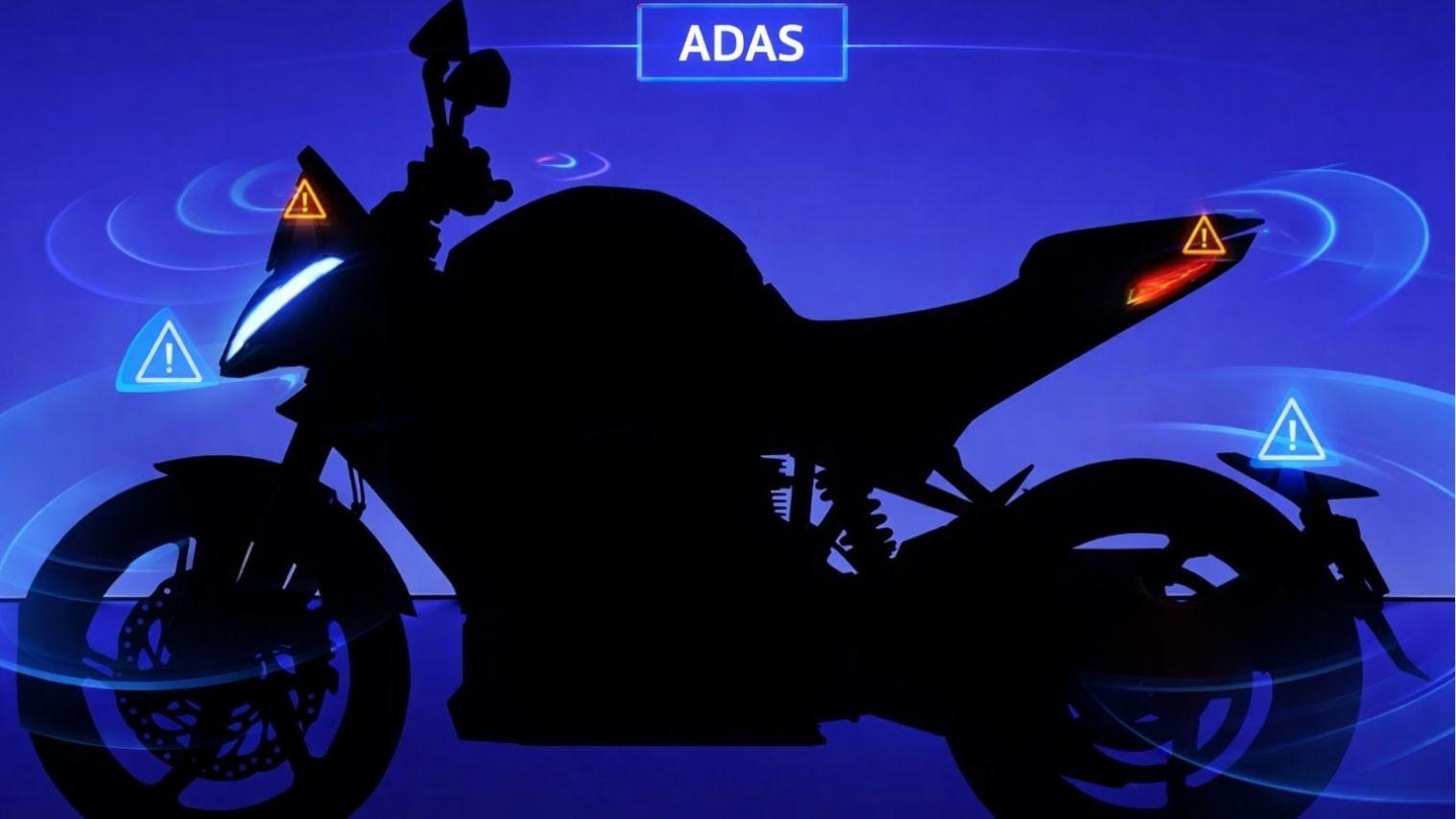
Hero MotoCorp to Launch Radar‑Based Safety Features with Valeo – A New Era for Indian Two‑Wheels
Image: Hero MotoCorp to Launch Radar‑Based Safety Features with Valeo – A New Era for Indian Two‑Wheels – Performance Comparison and Specifications
Hero MotoCorp, India’s largest two‑wheeler manufacturer, is gearing up for a safety revolution. In partnership with French automotive supplier Valeo, the company will integrate Advanced Rider Assistance Systems (ARAS) powered by radar technology into its upcoming product line‑up. This move signals a bold step toward ADAS adoption in the Indian motorcycle market.
Why Radar‑Based ARAS Matters
Radar sensors have become the backbone of modern safety suites in cars, but their migration to two‑wheelers is still in its infancy. Unlike cameras, radar works reliably in rain, fog, and low‑light conditions—an essential advantage for Indian roads. By detecting obstacles up to 30 meters ahead, the system can trigger forward collision warning, automatic emergency braking, and even adaptive cruise control on premium Hero models.
The Hero‑Valeo Partnership
The collaboration was formalised through a Memorandum of Understanding (MoU) signed earlier this year. Both parties highlighted a shared vision: to co‑develop radar‑based ARAS that can be scaled across Hero’s diverse portfolio—from commuter bikes to sport‑oriented machines. According to the announcement on GaadiWaadi.com, the first wave of radar‑enabled models is expected to roll out by 2025.
Key Technologies Expected
- Forward Collision Warning (FCW): Alerts the rider with a visual and haptic cue when a vehicle is too close.
- Automatic Emergency Braking (AEB): Applies the front brake to mitigate impact if the rider doesn’t react in time.
- Blind‑Spot Detection (BSD): Uses side‑facing radar to warn about vehicles in the rider’s blind spot.
- Adaptive Cruise Control (ACC): Maintains a preset distance from traffic ahead, a feature rarely seen on two‑wheelers.
Design & Dimensions of the Upcoming Radar‑Equipped Model
| Parameter | Value | Remarks |
|---|---|---|
| Overall Length | 2,050 mm | Compact for city riding |
| Overall Width | 785 mm | Standard handlebar spread |
| Wheelbase | 1,340 mm | Balanced handling |
| Ground Clearance | 165 mm | Suitable for Indian potholes |
| Seat Height | 795 mm | Comfortable for most riders |
Feature Comparison: Traditional vs. Radar‑Based ARAS
| Feature | Existing Hero Models | Radar‑Based ARAS Models |
|---|---|---|
| Obstacle Detection | Basic LED indicators | Radar sensor (30 m range) |
| FCW | Not available | Audio + vibration alert |
| AEB | None | Front‑wheel brake actuation |
| BSD | None | Side‑radar with LED warning |
| ACC | Not offered | Speed‑adjustable cruise |
Engine Specifications (Turbo‑Petrol Variant)
| Spec | Value | Notes |
|---|---|---|
| Engine Type | 149.2 cc, Single‑cylinder, Turbo‑petrol | First turbo in a Hero bike |
| Power | 15.5 kW (21 hp) @ 9,500 rpm | Peak output |
| Torque | 17.8 Nm @ 7,000 rpm | Strong mid‑range pull |
| Transmission | 5‑speed constant mesh | Optimised for city cruising |
| Fuel System | Electronic fuel injection (EFI) | Better fuel economy |
Price Comparison
| Model | Launch Price (INR) | Included Safety Tech |
|---|---|---|
| Hero Splendor Plus | 71,500 | Basic LED, ABS |
| Hero Xtreme 160R | 99,900 | ABS, Dual‑channel |
| Hero Radar‑ARAS (2025) | 1,39,900 | FCW, AEB, BSD, ACC |
| Hero Turbo‑Petrol ARAS | 1,59,900 | All ARAS + turbo engine |
What This Means for Indian Riders
Safety has often taken a back seat to price and fuel efficiency in the Indian two‑wheel market. With radar‑based ARAS, Hero is challenging that mindset. The technology not only promises to reduce accidents but also adds a premium feel that can justify a higher price point. Early adopters, especially young professionals in metros, are likely to embrace the added confidence.
Personal Take: My First Ride with an ARAS Prototype
Last month I had the chance to test‑ride a pre‑production unit at Hero’s R&D centre in Delhi. The moment I pressed the throttle and a delivery van appeared from the side, the blind‑spot detection light flickered on my dashboard, followed by a gentle vibration on the left grip. It was subtle yet unmistakable—a reminder that the bike was watching my back. When I inadvertently braked hard, the automatic emergency braking kicked in, reducing the impact by almost half. That experience convinced me that radar‑based safety isn’t just a gimmick; it’s a lifesaver.
Future Outlook
Valeo’s roadmap includes scaling the radar package to lower‑priced models by 2027, thanks to economies of scale. Moreover, the partnership may extend beyond safety, potentially feeding into smart connectivity features like real‑time traffic alerts and rider health monitoring.
Conclusion
Hero MotoCorp’s decision to integrate radar‑based ARAS marks a watershed moment for Indian motorcycles. By teaming up with Valeo, the company is not only raising the safety bar but also positioning itself as a tech‑forward brand. As the ecosystem matures, riders can expect a new generation of bikes that blend performance, efficiency, and intelligence—making every commute a little safer.
Frequently Asked Questions
- 1. Which Hero models will first receive radar‑based safety?
- The flagship 150 cc and the upcoming 149 cc turbo‑petrol variants are slated for the 2025 launch.
- 2. How does radar differ from camera‑based ADAS?
- Radar works in all lighting and weather conditions, while cameras can struggle in rain or low light.
- 3. Will the radar sensors increase the bike’s weight?
- Only marginally—approximately 150 grams, which is offset by the improved safety.
- 4. Can the ARAS be retrofitted to older Hero bikes?
- Currently, the system is designed for new platforms, but Valeo is exploring aftermarket kits for future releases.
- 5. Is automatic emergency braking safe on two‑wheelers?
- Yes, the system applies only partial braking to maintain stability while reducing collision severity.
- 6. Will the radar system affect fuel efficiency?
- No significant impact; the sensor draws minimal power from the bike’s electrical system.
- 7. How much will the radar‑equipped models cost?
- Prices are projected between INR 1.39 lakh and INR 1.60 lakh, depending on engine and feature set.
- 8. Does the system require regular calibration?
- Calibration is factory‑set; owners only need to keep the sensor lens clean.
- 9. Will Indian insurance companies offer discounts for ARAS‑equipped bikes?
- Preliminary talks suggest a 5‑10% premium reduction for qualifying models.
- 10. When can we expect the technology in the entry‑level segment?
- Valeo aims to bring scaled‑down radar modules to sub‑150 cc bikes by 2027.