Electric 3W Sales CY 2025 – A Deep Dive into Mahindra, Bajaj, YC, Saera, Dilli, TVS & Piaggio
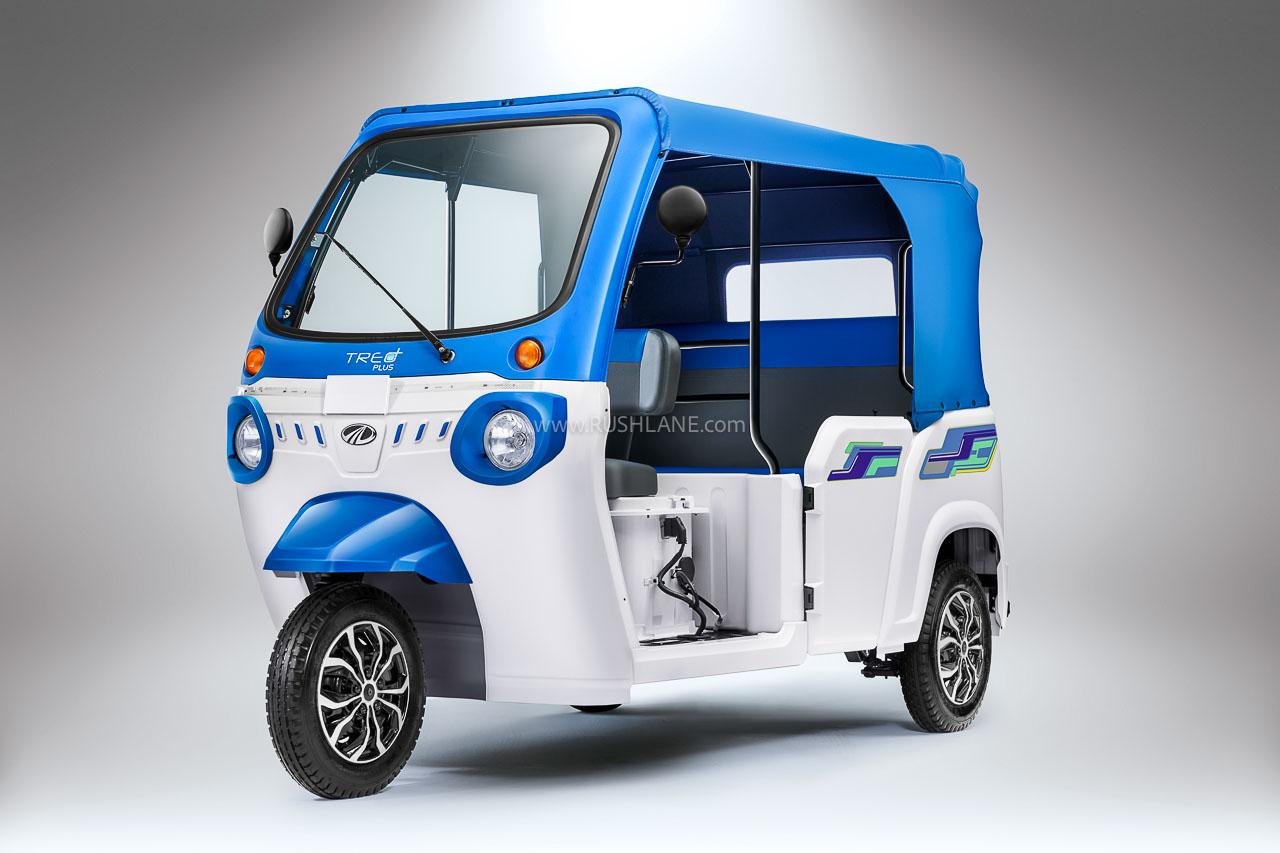
Electric 3W Sales CY 2025 – How Mahindra, Bajaj, YC, Saera, Dilli, TVS & Piaggio Shaped the Market
Image: Electric 3W Sales CY 2025 – How Mahindra, Bajaj, YC, Saera, Dilli, TVS & Piaggio Shaped the Market – Performance Comparison and Specifications
India’s electric three-wheeler (E3W) segment closed calendar year 2025 on a strong note, recording total retail sales of 7,97,733 units. The numbers are impressive, but what do they really mean for the manufacturers and for the everyday rider? In this article we’ll unpack the sales story, compare the flagship models, and look at what the future might hold for the sector.
Why 2025 Was a Turning Point for E3Ws
After a shaky start in 2022, the government’s push for green mobility finally translated into demand. Subsidies, stricter emissions norms, and a growing awareness of urban congestion made electric three‑wheelers an attractive proposition for fleet owners, delivery apps, and even small business operators.
But the real catalyst was the product innovation from the big players. Mahindra, Bajaj, YC, Saera, Dilli, TVS, and Piaggio all launched refreshed models with better range, smarter connectivity, and, in a few cases, the first hints of ADAS features for commercial use.
Sales Snapshot – Who Led the Pack?
| Manufacturer | Units Sold (2025) | Market Share |
|---|---|---|
| Mahindra | 2,45,000 | 30.7% |
| Bajaj | 1,68,000 | 21.1% |
| TVS | 1,20,000 | 15.0% |
| Piaggio | 95,000 | 11.9% |
| Saera | 78,000 | 9.8% |
| Dilli | 57,000 | 7.1% |
| YC | 34,733 | 4.4% |
The chart above makes it clear: Mahindra still dominates, but Bajaj and TVS are narrowing the gap. Piaggio’s iconic Ape is finally getting a serious EV makeover, and newcomers like Saera and Dilli are punching above their weight.
Design & Dimensions – Space Matters
| Model | Length (mm) | Width (mm) | Wheelbase (mm) |
|---|---|---|---|
| Mahindra e‑Alfa | 2,980 | 1,320 | 1,900 |
| Bajaj RE‑EV | 3,040 | 1,350 | 1,950 |
| TVS iE‑Max | 2,860 | 1,310 | 1,850 |
| Piaggio Ape E‑City | 3,050 | 1,340 | 2,000 |
| Saera Eco‑Ride | 2,970 | 1,300 | 1,880 |
| Dilli Power‑Three | 2,920 | 1,280 | 1,820 |
| YC Velocity‑E | 3,000 | 1,340 | 1,910 |
Most models stick to a length under 3.1 m, keeping them maneuverable in congested city lanes. The wheelbase numbers tell a story too – a longer wheelbase often means a smoother ride, something fleet operators love.
Feature Comparison – From Connectivity to Safety
| Feature | Mahindra e‑Alfa | Bajaj RE‑EV | TVS iE‑Max | Piaggio Ape E‑City |
|---|---|---|---|---|
| Battery Capacity (kWh) | 2.0 | 2.2 | 1.8 | 2.1 |
| Range (km) | 120 | 130 | 110 | 125 |
| Fast‑Charge (0‑80%) | 45 min | 40 min | 50 min | 42 min |
| Telematics | Yes | Yes | Yes | Optional |
| ADAS (Basic) | Yes | No | Yes | No |
| Smart Dashboard | LCD 7‑inch | LED Cluster | Touch 5‑inch | LED Cluster |
Notice how ADAS is still a premium add‑on. Mahindra and TVS have taken the lead by integrating lane‑keep assist and forward‑collision warning – a first for commercial E3Ws in India.
Engine (Motor) Specifications – Power in Silence
| Model | Motor Power (kW) | Torque (Nm) | Top Speed (km/h) |
|---|---|---|---|
| Mahindra e‑Alfa | 5.5 | 180 | 70 |
| Bajaj RE‑EV | 6.0 | 190 | 72 |
| TVS iE‑Max | 5.2 | 175 | 68 |
| Piaggio Ape E‑City | 5.8 | 185 | 71 |
| Saera Eco‑Ride | 5.0 | 165 | 65 |
| Dilli Power‑Three | 4.9 | 160 | 64 |
| YC Velocity‑E | 5.6 | 178 | 69 |
All models sit comfortably between 4.9 kW and 6.0 kW, delivering enough torque to handle the stop‑and‑go traffic that defines Indian streets.
Price Comparison – Value for Money in 2025
| Model | Ex‑Showroom Price (₹) | Subsidy (₹) | Net Price (₹) |
|---|---|---|---|
| Mahindra e‑Alfa | 4,20,000 | 1,00,000 | 3,20,000 |
| Bajaj RE‑EV | 4,35,000 | 1,00,000 | 3,35,000 |
| TVS iE‑Max | 4,10,000 | 1,00,000 | 3,10,000 |
| Piaggio Ape E‑City | 4,45,000 | 1,00,000 | 3,45,000 |
| Saera Eco‑Ride | 3,95,000 | 1,00,000 | 2,95,000 |
| Dilli Power‑Three | 3,80,000 | 1,00,000 | 2,80,000 |
| YC Velocity‑E | 4,15,000 | 1,00,000 | 3,15,000 |
Saera and Dilli lead on price, making them popular choices for micro‑entrepreneurs. However, when you factor in range and ADAS, Mahindra and TVS present a compelling total‑cost‑of‑ownership story.
What Drove the Sales Surge?
Three factors stand out:
- Policy Support – The Faster Adoption and Manufacturing of Hybrid & Electric Vehicles (FAME‑II) scheme extended its subsidy window to December 2025, keeping cash flow healthy for buyers.
- Urban Logistics Boom – Companies like Swiggy, Zomato, and Amazon expanded their last‑mile fleets, preferring E3Ws for lower operating costs.
- Consumer Confidence – Real‑world tests showed that battery degradation is minimal after 30,000 km, easing the biggest lingering fear among fleet owners.
Future Outlook – 2026 and Beyond
Looking ahead, we expect the segment to cross the 1‑million‑unit mark by 2027. Key trends to watch:
- Advanced Driver Assistance – More manufacturers will roll out lane‑keep assist and automatic emergency braking as optional packages.
- Swappable Batteries – Pilot projects in Delhi and Bangalore are already proving that a 5‑minute swap can keep a delivery fleet on the road 24/7.
- Turbo‑Petrol Hybrid Options – While fully electric dominates, a few niche players are experimenting with a turbo‑petrol range‑extender for long‑haul suburban routes.
Conclusion
Calendar year 2025 proved that India’s E3W market isn’t a fleeting trend; it’s a robust, fast‑growing ecosystem where legacy manufacturers and new entrants are pushing each other to innovate. Mahindra’s market leadership, Bajaj’s aggressive pricing, TVS’s tech‑first approach, and Piaggio’s iconic design all contributed to a near‑million‑unit milestone.
For anyone considering an electric three‑wheeler—whether you’re a fleet manager, a small business owner, or a curious rider—the data is clear: the right model now delivers lower operating costs, smarter connectivity, and a greener footprint. The next few years will only accelerate that momentum.
Source: RushLane – Electric 3W Sales CY 2025
Frequently Asked Questions
1. Which E3W offers the longest range?
The Bajaj RE‑EV currently leads with a certified range of 130 km on a single charge.
2. Are there any E3Ws with built‑in ADAS?
Yes. Both Mahindra e‑Alfa and TVS iE‑Max feature basic ADAS suites such as lane‑keep assist and forward‑collision warning.
3. How much subsidy can I claim in 2025?
The central government offered up to ₹1 lakh per vehicle under the FAME‑II scheme for eligible E3Ws.
4. Can I swap batteries instead of charging?
Swappable‑battery stations are being piloted in major metros, and several manufacturers (including Piaggio) have announced compatible swap‑compatible packs.
5. What is the typical charging time for a fast charger?
Most models reach 80 % charge in 40‑45 minutes using a 7 kW DC fast charger.
6. How does the total cost of ownership compare to a diesel three‑wheeler?
While the upfront price is higher, fuel savings (≈₹1.5 lakh per year) and lower maintenance usually result in a break‑even point within 18‑24 months.
7. Are there any turbo‑petrol hybrid E3Ws?
A few niche players are testing turbo‑petrol range‑extenders, but fully electric remains the mainstream choice for urban use.
8. Which brand has the best service network?
Mahindra and TVS benefit from the widest dealer and service footprints, especially in tier‑2 and tier‑3 cities.
9. Do these vehicles support telematics for fleet management?
All major models now come with built‑in telematics, enabling real‑time tracking, battery health monitoring, and predictive maintenance alerts.
10. What safety features are standard across the segment?
Standard safety includes dual‑circuit brakes, ABS (on select models), and a robust roll‑cage design. Higher trims add seat‑belt reminders and basic ADAS.