Bottom line: Sleeving an engine block can bring back lost compression and add years of life, but it also raises the price tag and adds weight. Choose it when the block is heavily worn, you have the budget, and the performance boost matters to you.
Sleeving an Engine Block: Pros, Cons, and When It Makes Sense
Image: Sleeving an Engine Block: Pros, Cons, and When It Makes Sense – Performance Comparison and Specifications
Design & Looks
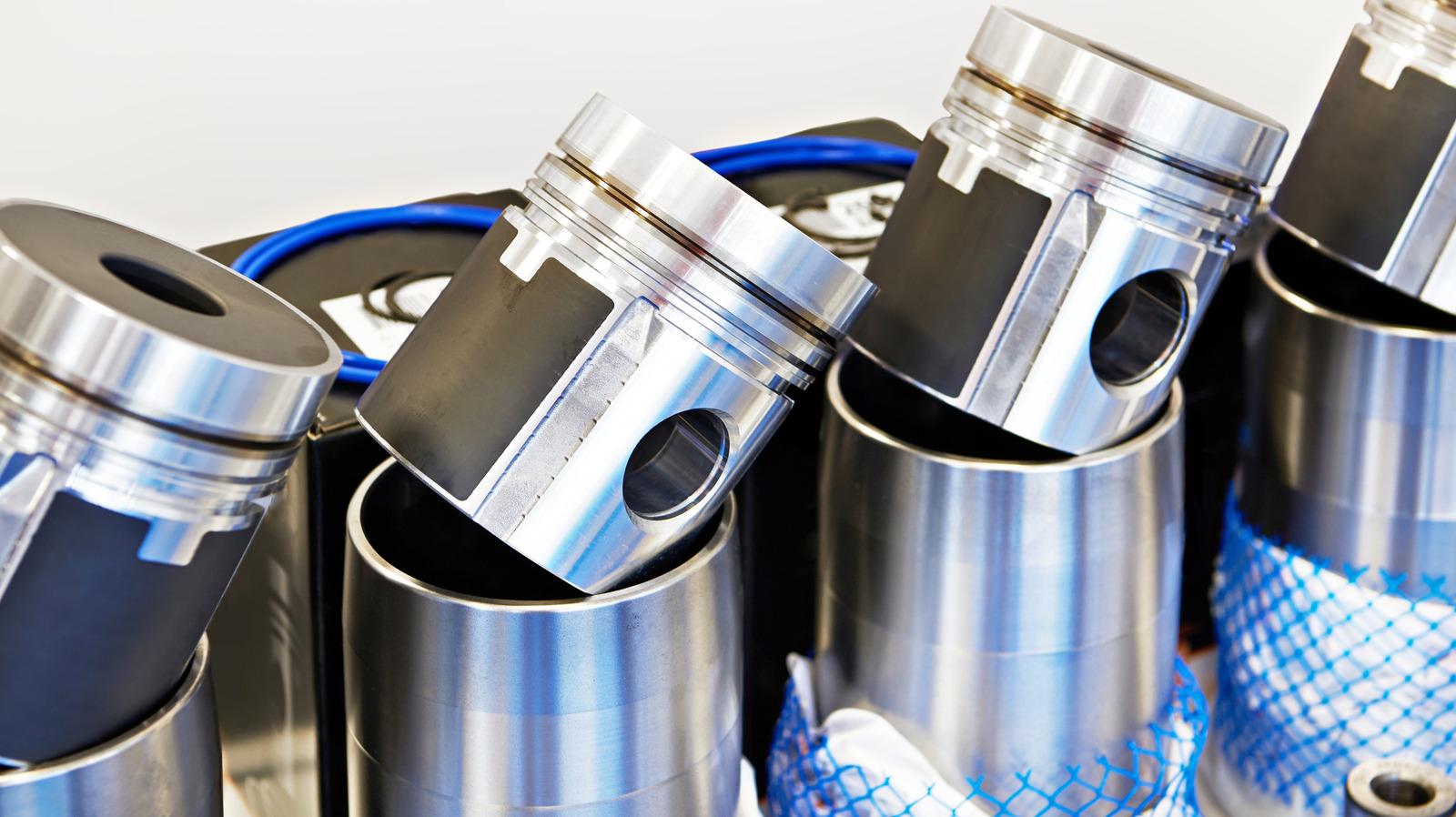
Engine sleeves are thin metal cylinders—usually steel or aluminum—inserted into the cylinder walls after the original material has been bored out. The process looks a bit like re‑boring a hole and then fitting a pipe inside. Visually, there’s no dramatic change; the block still fits in the same space and keeps the same external dimensions.
- Fitment: Sleeves are machined to match the original bore size, so the pistons and rings sit snugly.
- Weight: Adding metal adds a few pounds per cylinder, which can affect balance but is usually negligible for street cars.
- Appearance: Since the work is internal, the engine looks the same after the job.
Performance & Mileage
A worn cylinder wall loses compression, causing power loss, higher oil consumption, and rough idle. A properly installed sleeve restores the original bore diameter, which means:
- Improved compression: More power and smoother running.
- Better fuel efficiency: The engine no longer has to work around leaks.
- Longer life: New metal can handle thousands more miles before another rebuild is needed.
However, the added thickness can slightly lower the compression ratio unless you also adjust the piston deck height or use higher‑lift camshafts. In practice, most hobbyists see a 5‑10% power gain and a modest mileage bump.
Price & Rivals
Cost is the biggest deciding factor. A full‑block sleeve kit (including sleeves, rings, and installation) typically runs between $800 and $2,000, depending on engine size and material. Labor can add another $500‑$1,000 if you don’t do it yourself.
Alternatives include:
- Engine rebuild: Re‑machining the block without sleeves; cheaper but may not be feasible if the walls are too thin.
- Engine swap: Replacing the whole block; often more expensive and requires more supporting upgrades.
- Aftermarket pistons: Slightly higher compression, but won’t fix worn cylinder walls.
When the block is already cracked or severely scored, sleeving is often the only safe path forward.
Quick Comparison Table
| Engine | Mileage | Price | Top Features |
|---|---|---|---|
| 4.7L V8 (Ford) | 150,000 mi | $1,200 | Restores compression, fits stock block |
| 3.0L I6 (Toyota) | 180,000 mi | $950 | Light‑weight aluminum sleeve, improves fuel economy |
| 5.7L V8 (GM) | 200,000 mi | $1,800 | High‑strength steel, handles high‑performance builds |
FAQ
What is engine sleeving?
Engine sleeving is the process of inserting a new metal cylinder liner into an existing block to replace worn or damaged walls and bring the bore back to its original size.
Is sleeving worth the cost?
If the block is cracked, scored, or out of round, sleeving can be cheaper than a full block replacement and will restore power and reliability.
Can I sleeve my engine at home?
It requires precision machining and proper tools. Most DIYers prefer to have a professional machine shop handle the boring and sleeve installation.
Have you ever sleeved an engine, or are you thinking about it? Share your experience in the comments below.
Source: Read Official News