Bottom line: These 12 production cars stop faster than most sports cars, making them safer for high‑speed thrills.
Design & Looks
All of the models on this list look the part of a performance machine. From the sleek silhouette of the Porsche 911 GT3 to the muscular stance of the Dodge Challenger SRT Hellcat, each car blends form and function. Aerodynamic spoilers, wide rear tires, and brake‑cooling ducts aren’t just eye‑candy – they help the brakes work at peak efficiency.
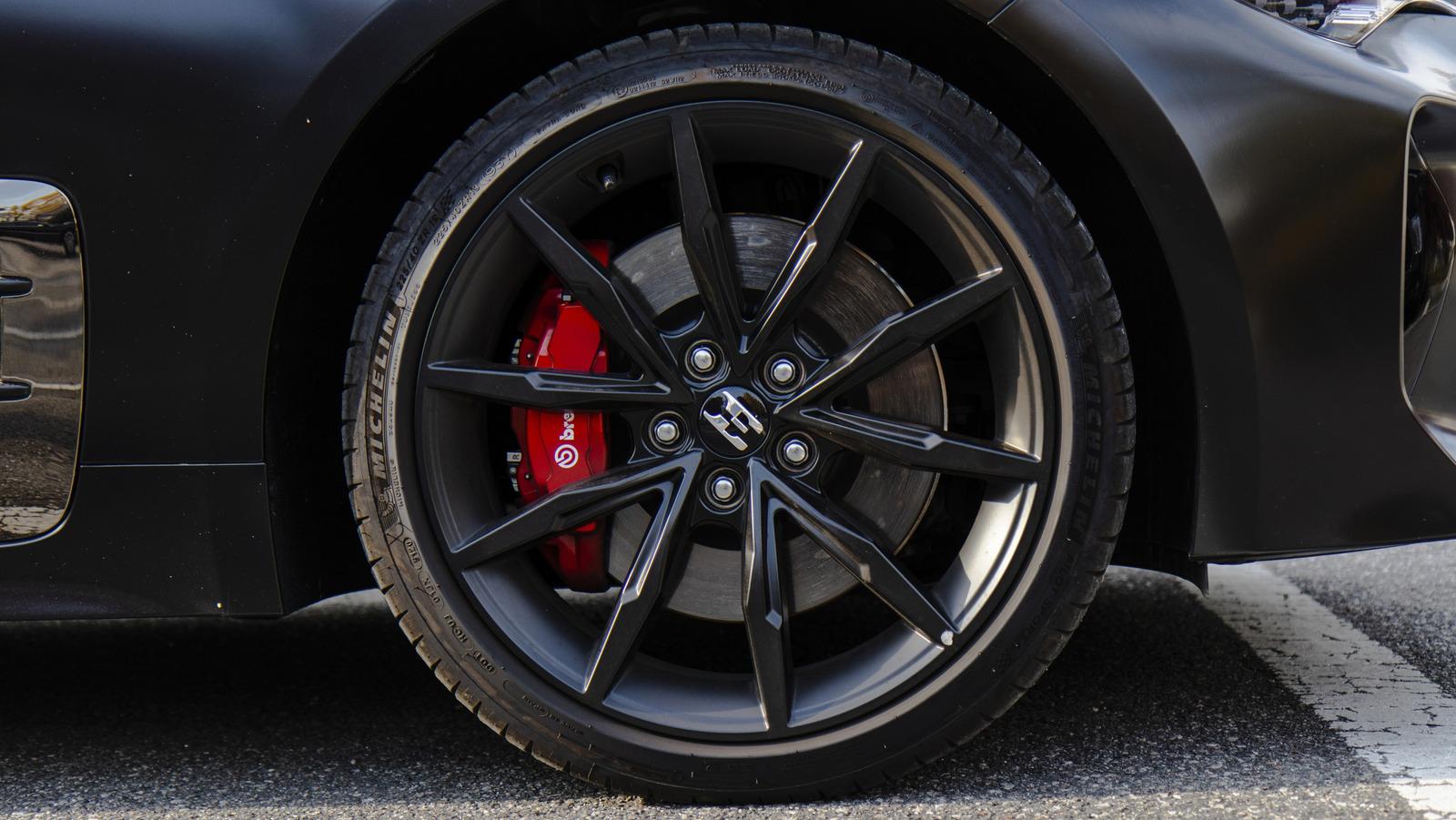
12 Production Cars With the Best Braking Times – Quick Stops Explained
Image: 12 Production Cars With the Best Braking Times – Quick Stops Explained – Performance Comparison and Specifications
Performance & Mileage
The real star here is the braking system. Carbon‑ceramic discs, multi‑piston calipers, and advanced ABS allow these cars to shave seconds off a 60‑0 stop. For example, the McLaren 720S can halt from 100 km/h in under 30 m, while the Nissan GT‑R manages a 60‑0 time of about 99 ft. Fuel economy isn’t the headline, but most of these machines still deliver respectable mileage for their class, typically between 18–25 mpg combined.
Price & Rivals
Performance comes at a price, but the market is competitive. The BMW M3 starts around $75,000, while the Ferrari 488 pushes past $250,000. Yet rivals like the Audi RS7 and Lexus LFA offer similar stopping power for less cash. When you compare brake‑to‑weight ratios, many lower‑priced options hold their own against the exotic names.
| Model | Engine | Mileage (mpg) | Price (USD) | Top Features |
|---|---|---|---|---|
| Porsche 911 GT3 | 4.0 L Flat‑6 | 20 | 115,000 | Carbon‑ceramic brakes, rear‑wheel steering |
| Nissan GT‑R | 3.8 L V6 Twin‑Turbo | 18 | 115,000 | Aluminum brakes, launch control |
| Chevrolet Corvette Z06 | 5.5 L V8 | 19 | 90,000 | Carbon‑ceramic rotors, magnetic ride control |
| BMW M3 | 3.0 L Inline‑6 Twin‑Turbo | 22 | 75,000 | M Compound brakes, adaptive M suspension |
| Audi RS7 | 4.0 L V8 Twin‑Turbo | 21 | 110,000 | Carbon‑ceramic brakes, quattro AWD |
| Mercedes‑AMG C63 | 4.0 L V8 Biturbo | 20 | 68,000 | High‑performance brakes, AMG Ride Control |
| Lexus LFA | 4.8 L V10 | 16 | 375,000 | Carbon‑ceramic discs, active aerodynamics |
| Toyota Supra | 3.0 L Inline‑6 Turbo | 24 | 50,000 | Brembo brakes, lightweight chassis |
| Ferrari 488 | 3.9 L V8 Twin‑Turbo | 18 | 260,000 | Carbon‑ceramic brakes, F1‑style ABS |
| McLaren 720S | 4.0 L V8 Twin‑Turbo | 19 | 300,000 | Carbon‑ceramic brakes, active aero |
| Dodge Challenger SRT Hellcat | 6.2 L V8 Supercharged | 15 | 65,000 | High‑heat brakes, performance tires |
| Ford Mustang GT | 5.0 L V8 | 22 | 44,000 | Brembo brake kit, adaptive damping |
FAQ
- Which car has the shortest 60‑0 stopping distance? The McLaren 720S leads the pack, stopping from 60 mph in under 30 meters.
- Are carbon‑ceramic brakes worth the extra cost? For high‑performance driving they provide fade‑free stopping and lower unsprung weight, which improves handling.
- Can I get similar braking performance on a cheaper car? Yes – models like the BMW M3 and Audi RS7 deliver excellent brake times without the super‑car price tag.
Which of these brake‑shredding machines would you love to own? Drop a comment below and share your thoughts.
Source: Read Official News