Bottom Line Up Front
Rhodium, a rare metal worth roughly $10,000 per ounce, is the main reason today’s catalytic converters carry a high price tag.
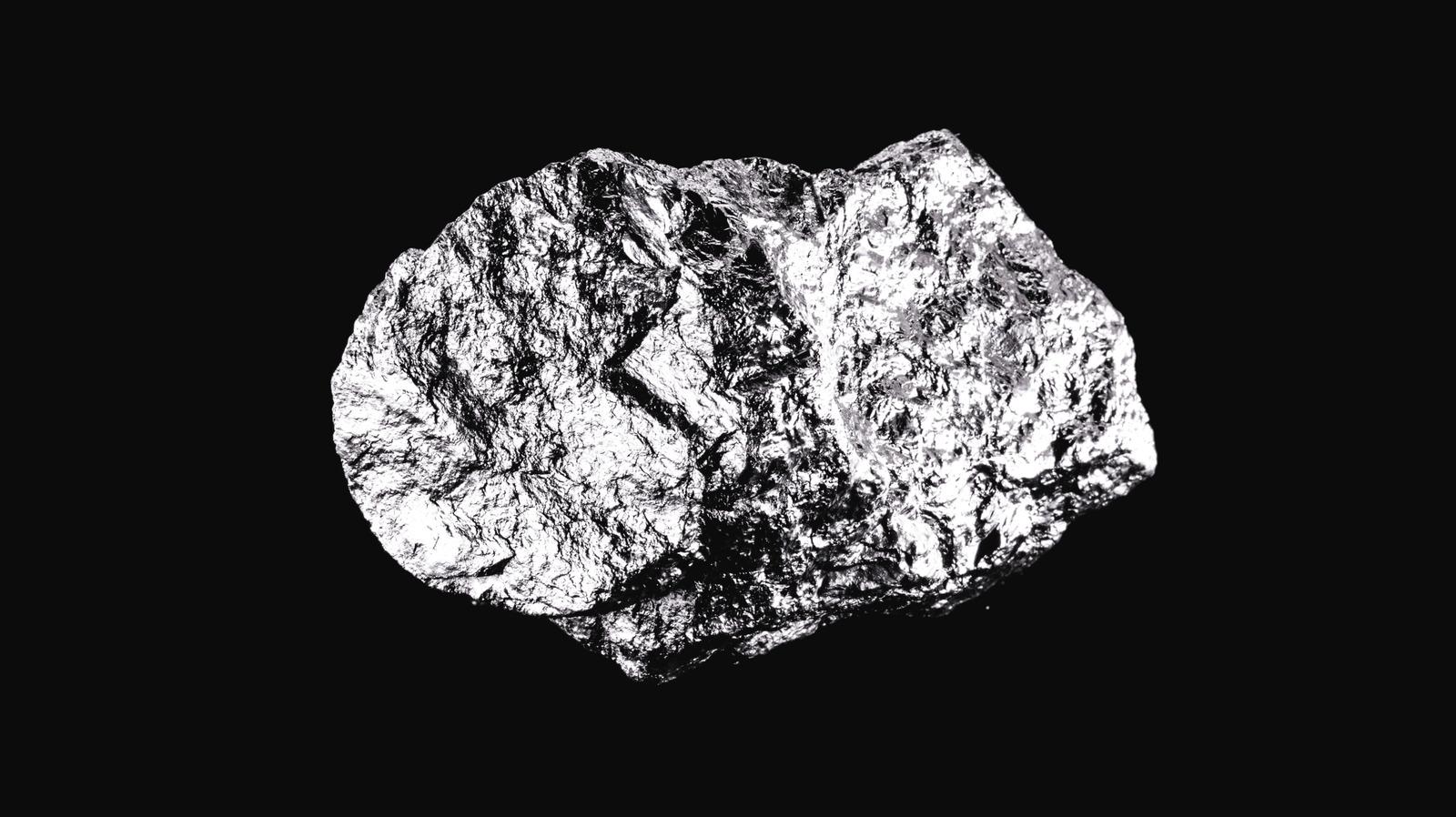
Rhodium in Catalytic Converters: Why This $10,000‑per‑Ounce Metal Drives Auto Prices
Image: Rhodium in Catalytic Converters: Why This $10,000‑per‑Ounce Metal Drives Auto Prices – Performance Comparison and Specifications
Why Rhodium Matters
Rhodium belongs to the platinum‑group metals and is exceptionally good at converting harmful gases like carbon monoxide and nitrogen oxides into harmless water vapor and nitrogen. Automakers need just a few grams, but the cost adds up fast because the metal is scarce and mined in only a handful of countries.
When rhodium prices spike, the whole exhaust‑after‑treatment system gets pricier. That’s why you’ll see a noticeable jump in the cost of replacement converters, especially for newer models that meet stricter emissions standards.
How Catalytic Converters Work
A typical converter contains a ceramic honeycomb coated with a mix of platinum, palladium, and rhodium. As exhaust gases flow through, the metals act as catalysts, speeding up chemical reactions that clean the emissions. Without rhodium, the converter would struggle to break down nitrogen oxides, which are a major contributor to smog.
- Platinum handles carbon monoxide and hydrocarbons.
- Palladium assists with hydrocarbons.
- Rhodium targets nitrogen oxides.
Price Impact & Industry Rivals
Because rhodium is so valuable, manufacturers try to use it efficiently. Some companies are experimenting with ceramic substrates that need less metal, while others look at recycling old converters. Still, the metal’s price volatility means the market will feel the ripple for years.
For consumers, the takeaway is simple: when you hear a quote for a new converter, most of that cost is tied to rhodium. Knowing this helps you understand why a $1,500‑$2,000 price tag isn’t just a markup—it reflects real material costs.
Quick Comparison Table
| Engine | Mileage | Price | Top Features |
|---|---|---|---|
| 2.0 L I4 | 30 mpg city / 38 mpg hwy | $1,800 | Compact, 3‑metal blend, high‑temp durability |
| 3.5 L V6 | 22 mpg city / 30 mpg hwy | $2,200 | Higher flow, extra rhodium for NOx, steel housing |
| 2.5 L Hybrid | 45 mpg city / 50 mpg hwy | $1,600 | Reduced rhodium, integrated with electric motor exhaust |
FAQ
What metal makes catalytic converters so expensive?
Rhodium is the primary driver of cost because it’s rare and can cost around $10,000 per ounce.
Can I replace a converter with a cheaper, rhodium‑free version?
Most jurisdictions require a converter that meets emissions standards, which typically include rhodium. Using a non‑compliant part can lead to fines and failed inspections.
Is rhodium recycling a viable solution?
Yes. Many shops now reclaim rhodium from old converters, which helps lower the price pressure but doesn’t eliminate it completely.
Your Turn
Have you ever had to replace a catalytic converter? Share your experience in the comments below.
Source: Read Official News