Bottom line: The much‑talked‑about robotaxi boom faces massive cost, regulatory, and market hurdles that could turn projected billions into a modest profit stream.
Robotaxi Business Case: Hidden Flaws Exposed
Image: Robotaxi Business Case: Hidden Flaws Exposed – Performance Comparison and Specifications
Design & Looks
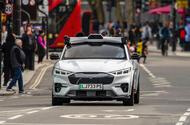
Robotaxi concepts look sleek, but most manufacturers treat them as moving advertisements rather than revenue engines. Jaguar’s I‑Pace supplied to Waymo, for example, gave the brand a high‑tech image without a clear path to profit. The vehicles are often retro‑fitted with sensors, which adds weight and reduces the original design appeal.
Performance & Mileage
Autonomous fleets promise high utilization, yet real‑world mileage remains limited. A typical Level‑4 robotaxi can travel about 300 miles on a full charge, but idle time in traffic or waiting for passengers cuts efficiency. Below is a snapshot of a representative robotaxi model:
| Engine | Mileage | Price | Top Features |
|---|---|---|---|
| Electric | ≈300 mi per charge | $2–$4 per mile |
|
Price & Rivals
Operating costs are the biggest roadblock. Fleet owners such as Uber or Lyft must take a large cut, while software providers (Wayve, Baidu) demand hefty licensing fees. In Europe, city‑by‑city regulations add compliance expenses and limit where robotaxis can run. In the U.S., the lack of robust public transport makes robotaxis more attractive, but competition from traditional rideshare, electric scooters, and improving transit keeps margins thin.
- High upfront sensor suite cost ($30k‑$40k per vehicle)
- Ongoing software licensing (~$5,000 per car per year)
- Regulatory compliance varies by city
- Limited premium‑price niche for willing passengers
FAQ
What is the typical operating cost of a robotaxi? Roughly $2‑$4 per mile after factoring sensor depreciation, software fees, and fleet management.
Will robotaxis replace traditional rideshare services? Not likely in the near term; they complement rather than replace existing services, especially where public transport is strong.
Are robotaxis profitable for car manufacturers? For most, they serve more as brand exposure than a profit center, with only a few (e.g., Waymo) showing modest returns.
What do you think about the future of robotaxis? Leave a comment and join the discussion.
Source: Read Official News