Bottom Line Up Front
Changing your oil won’t magically add extra horses, but a fresh, correct‑grade oil can help the engine work at its best, which may let you see a tiny power boost in real‑world driving.
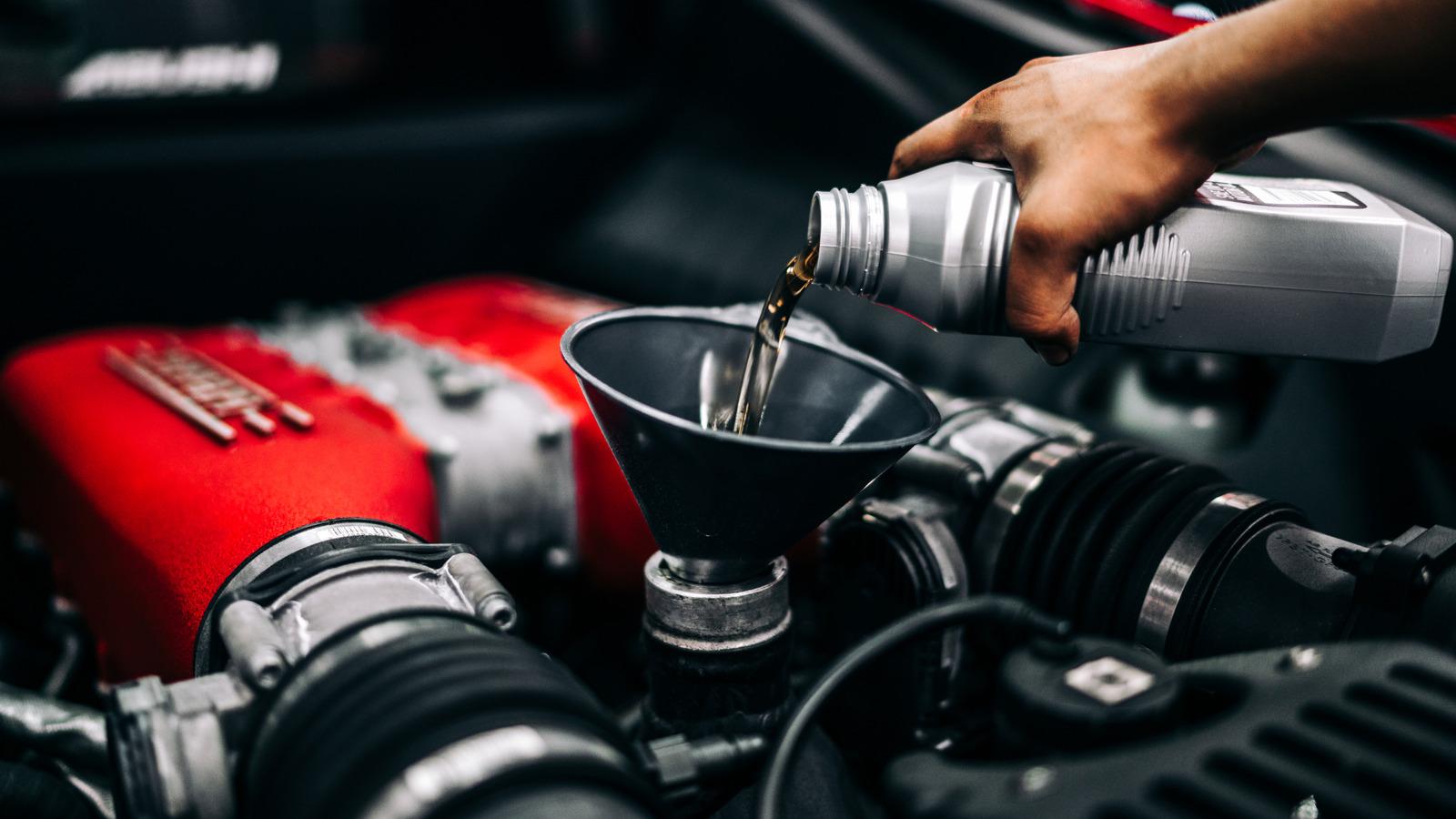
Can an Oil Change Improve Engine Horsepower? – Quick Facts
Image: Can an Oil Change Improve Engine Horsepower? – Quick Facts – Performance Comparison and Specifications
Design & Looks
Oil isn’t just a lubricant; it also carries heat away and cleans tiny particles. Using the manufacturer‑recommended viscosity (like 5W‑30 for most modern cars) keeps clearances tight and reduces friction. If you put the wrong weight – too thick or too thin – the engine may run hotter or louder, which can mask any performance gain.
- Viscosity matters: Thinner oil flows easier at cold starts, reducing drag.
- Additive packages: Some synthetic oils contain friction‑reducing additives that can shave off a few horsepower.
- Cleanliness: Fresh oil removes sludge that can cling to pistons and valves, letting them move more freely.
Performance & Mileage
When the engine’s internal parts glide smoothly, you may notice a small increase in throttle response and a marginal rise in peak power – usually under 2 % and often only on a dyno bench. In everyday driving, the difference feels like a smoother ride rather than a noticeable speed jump.
More importantly, regular oil changes protect long‑term horsepower. Old, dirty oil builds up friction, which over thousands of miles can erode power and fuel economy. So the real benefit is preserving the engine’s original output, not adding new power.
Price & Rivals
Premium synthetic oils cost roughly $7‑$10 per quart, while conventional oils sit around $3‑$5. The price gap is small compared to a potential $500‑$1,000 power‑add‑on kit, making oil changes the most cost‑effective way to keep your engine humming.
- Conventional: Affordable, good for older engines with looser tolerances.
- Synthetic blend: Balances cost and protection.
- Full synthetic: Best for high‑performance or turbocharged engines.
Quick Comparison Table
| Engine | Mileage | Price | Top Features |
|---|---|---|---|
| 4‑cyl 2.0L | 30‑35 MPG | $45 (full synthetic, 5 qts) | Low friction additives, high‑temp stability |
| V6 3.5L | 22‑28 MPG | $55 (full synthetic, 6 qts) | Turbo‑ready, anti‑wear technology |
| V8 5.0L | 18‑24 MPG | $60 (full synthetic, 7 qts) | Extreme pressure protection, heat resistance |
FAQ
- Will a synthetic oil make my car faster?
Only a tiny, often unnoticeable boost. The real win is smoother operation and preserved power.
- How often should I change oil for best performance?
Follow the automaker’s interval – usually every 5,000‑7,500 miles for synthetics.
- Can cheap oil damage my engine?
Low‑quality oil can leave more deposits, increasing friction and potentially lowering horsepower over time.
Got a story about how an oil change helped your ride? Share it in the comments below!
Source: Read Official News