Bottom Line Up Front
European car makers are still stuck with heavy, pricey battery boxes while Chinese rivals race ahead with cell‑to‑body designs that cut cost, weight and floor height.
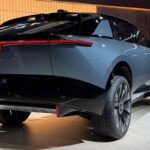
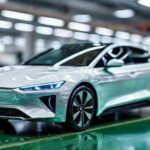
Volvo EX60 EV Battery Strategy – Why Europe Is Crazy
Image: Volvo EX60 EV Battery Strategy – Why Europe Is Crazy – Performance Comparison and Specifications
Design & Looks
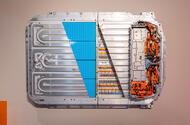
Traditional battery boxes sit like a slab in the floor, forcing a higher ride height and limiting interior space. The new cell‑to‑body approach lets the car’s chassis act as the battery’s protective shell, letting manufacturers stamp steel or aluminium directly around the cells. This reduces the floor thickness and frees up cabin room – a clear win for design flexibility.
Performance & Mileage
By removing the box, BYD says it gains 68% more usable volume and 10% better energy density. Tesla reports a 200 kg weight saving on its models. In Europe, Volvo claims its SPA3 platform with cell‑to‑body raises energy density by about 20% and shaves roughly 70 kg off the EX60. Those numbers translate into longer real‑world range and quicker acceleration, especially important as EU buyers compare against cheaper Chinese EVs.
Price & Rivals
Gestamp, a key supplier, admits European battery boxes still cost €600‑€700 each. That cost is baked into the final price of a VW ID Polo or a Porsche Macan Electric, keeping them well above Chinese‑built equivalents. Meanwhile, Renault’s new Twingo EV is already using a cell‑to‑pack layout with LFP chemistry to cut cost, and Volvo’s EX60 shows the first full cell‑to‑body effort in Europe.
Quick Comparison Table
| Model | Engine | Mileage (WLTP) | Price (EUR) | Top Features |
|---|---|---|---|---|
| Volvo EX60 | Electric (single motor) | ≈530 km | ≈45,000 |
|
| Porsche Macan Electric | Electric (dual motor) | ≈450 km | ≈80,000 |
|
| Renault Twingo EV | Electric (single motor) | ≈300 km | ≈22,000 |
|
| VW ID Polo | Electric (single motor) | ≈350 km | ≈28,000 |
|
FAQ
What is cell‑to‑body battery construction? It is a method where the vehicle’s body‑in‑white replaces the traditional battery box, allowing the battery cells to become part of the car’s structural frame.
Why are European EVs more expensive than Chinese ones? European makers still rely on heavy, aluminum‑extruded battery boxes that add €600‑€700 per unit, raising overall vehicle cost.
Will cell‑to‑body improve EV range? Yes. Removing the box frees up space and reduces weight, leading to up to 10% higher energy density and longer real‑world mileage.
What Do You Think?
Leave a comment below with your thoughts on Europe’s battery strategy – are we finally catching up or still stuck in the past?
Source: Read Official News