Bottom Line Up Front
5‑cylinder engines still exist, mainly in Audi models, but most manufacturers avoid them because they’re expensive to design, harder to meet emissions targets, and sit between the sweet spot of four‑ and six‑cylinder layouts.
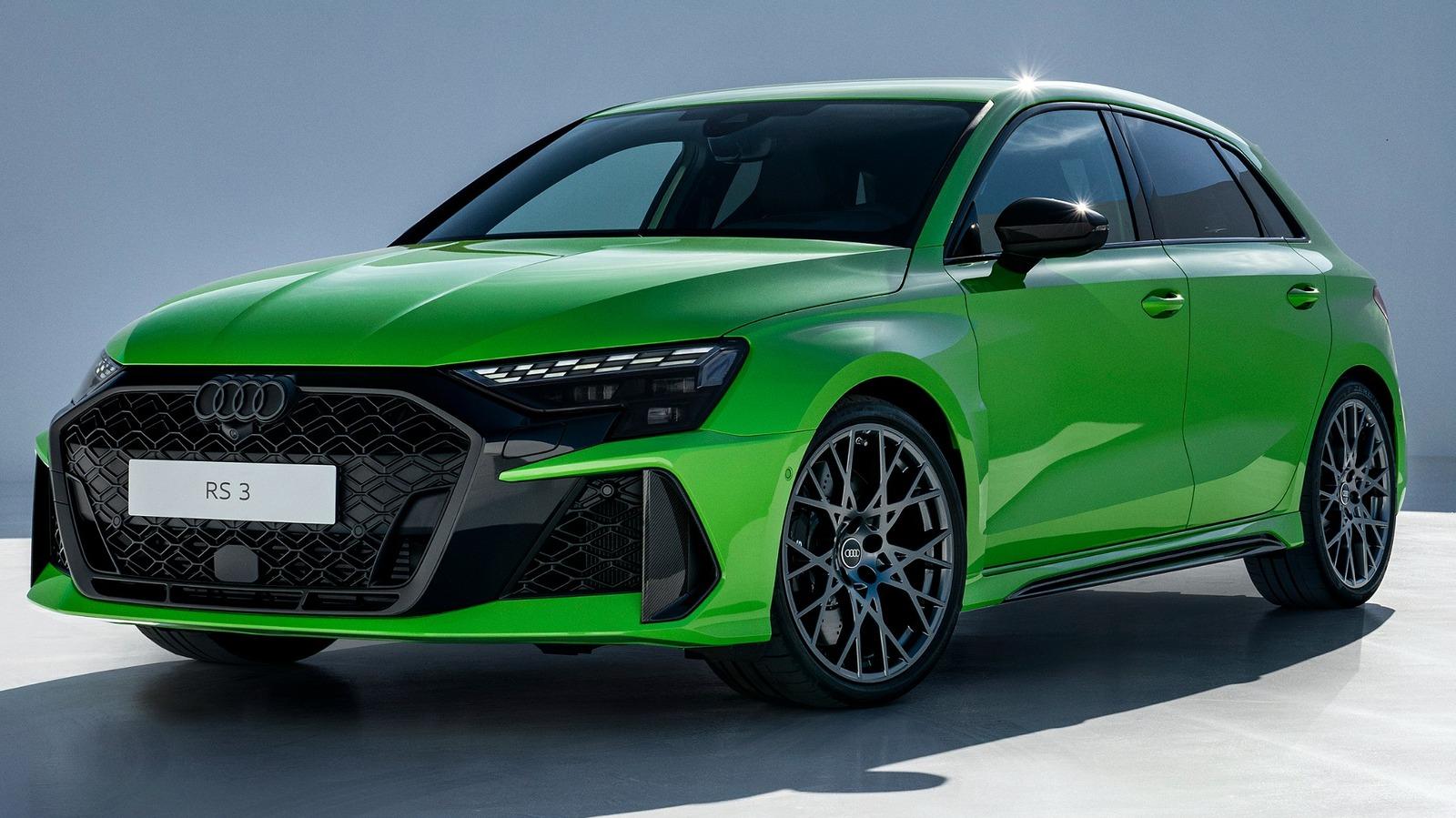
Why 5‑Cylinder Engines Are So Rare – Design, Performance & Price Explained
Image: Why 5‑Cylinder Engines Are So Rare – Design, Performance & Price Explained – Performance Comparison and Specifications
Design & Looks
From an engineering standpoint a five‑cylinder is a compromise. It keeps the compact length of a four‑cylinder while adding a third power stroke for smoother operation. The result is a distinctive sound – a “burble” that many enthusiasts love. However, that extra cylinder means a longer crankshaft, a larger block, and more complex balance shafts. Automakers spend extra time perfecting those parts, which pushes up development costs.
Because the engine bay of most modern cars is already optimized for four‑ or six‑cylinders, fitting a five‑cylinder often requires redesigning the front structure. Audi has made this work on the A3, TT, and RS models, but it’s a costly exercise that most brands prefer to skip.
Performance & Mileage
When it comes to power, a 5‑cylinder can produce more torque than a comparable four‑cylinder while staying lighter than a six‑cylinder. Audi’s 2.5 L TFSI, for example, delivers around 220 hp and 250 Nm of torque, giving a lively feel without the fuel‑guzzling of larger engines.
But the mileage advantage is modest. The extra cylinder burns a bit more fuel, and meeting today’s strict CO₂ limits often forces manufacturers to add costly turbocharging or hybrid assistance – technologies that are easier to pair with four‑ or six‑cylinder platforms.
Price & Rivals
Higher engineering and tooling costs translate into a higher sticker price. A new Audi with a five‑cylinder will usually sit between a similarly equipped four‑cylinder model and a six‑cylinder rival, offering little clear value proposition.
Competitors like BMW and Mercedes prefer to refine their four‑cylinder turbo engines or push the performance envelope with six‑cylinders, which are easier to scale across their line‑ups. That’s why you’ll see far more four‑ and six‑cylinder options on dealer lots.
Quick Comparison
| Engine | Mileage (MPG) | Price (USD) | Top Features |
|---|---|---|---|
| Audi 2.5 L 5‑cyl TFSI | 27 city / 35 highway | $38,000 |
|
FAQ
- What is the fuel economy of a typical 5‑cylinder engine? Most modern 5‑cylinders, like Audi’s 2.5 L, achieve roughly 27 MPG city and 35 MPG highway, similar to a turbocharged four‑cylinder.
- Are 5‑cylinder engines worth the extra cost? They offer a unique blend of smoothness and torque, but the higher price and limited model availability make them a niche choice.
- Will future cars use 5‑cylinder engines more often? Unlikely. Automakers are focusing on four‑cylinder downsizing, hybrid systems, and electric powertrains, which are cheaper to develop at scale.
If you’ve ever heard the “rumble” of a five‑cylinder and wondered why you don’t see them everywhere, share your thoughts below!
Source: Read Official News