How To Avoid a Tyre Blast While Driving – Simple Tips to Stay Safe
Bottom line: A tyre burst can happen suddenly, but regular checks, proper inflation, and smart driving habits keep it from happening.
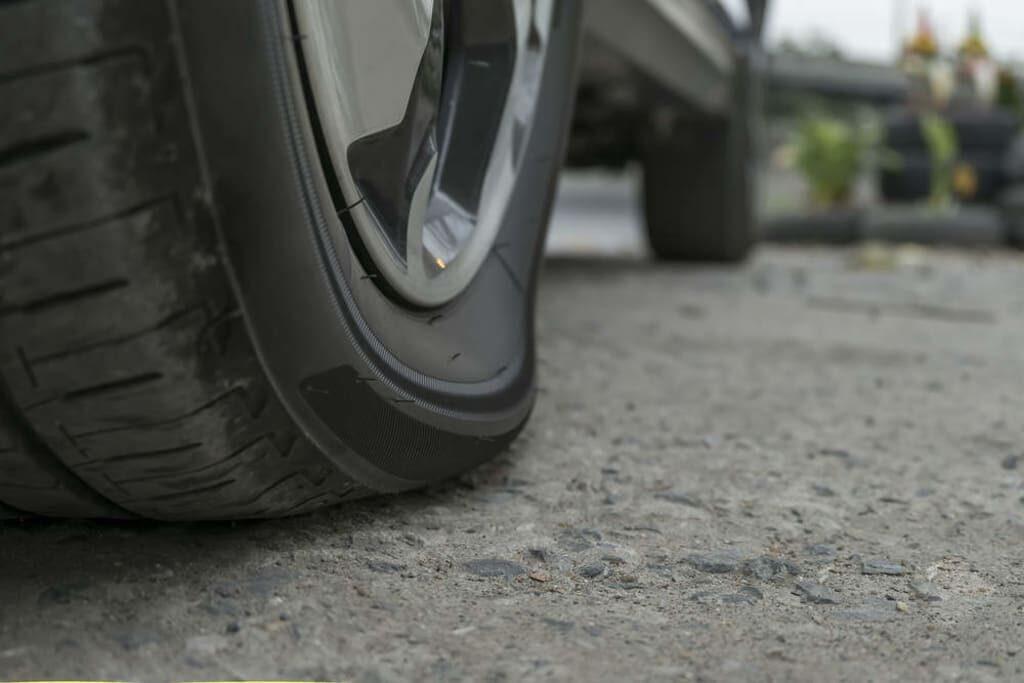
How To Avoid a Tyre Blast While Driving – Simple Tips to Stay Safe
Image: How To Avoid a Tyre Blast While Driving – Simple Tips to Stay Safe – Performance Comparison and Specifications
Design & Looks – Spotting Trouble Early
Tyres wear out visibly. Look for cracks, bulges, or uneven tread depth. Even if the tyre looks fine, a small cut on the sidewall can grow fast when you hit a pothole.
- Check tread depth with a coin – less than 2 mm needs replacement.
- Inspect sidewalls for cuts, punctures, or blisters.
- Notice any wobble or vibration while driving; it often means the tyre isn’t seated properly.
Performance & Mileage – How a Burst Affects Your Car
A sudden blow‑out can damage the wheel rim, affect alignment, and lower fuel efficiency. Driving on a low‑pressure tyre also forces the engine to work harder, shaving off a few MPG.
Keeping tyres at the manufacturer‑recommended pressure (usually found on the driver’s door jamb) helps maintain optimal mileage and handling.
Price & Rivals – Cost of Ignoring Tyre Care
Replacing a single tyre can cost $80‑$150, while a rim repair or replacement adds $150‑$300 more. In contrast, a simple pressure check and rotation every 6 000 km can save you $200‑$400 a year.
Some drivers consider run‑flat tyres as an alternative. They’re pricier (about $200 extra per tyre) but can keep you moving for 80‑km after a puncture, reducing the risk of a roadside blow‑out.
| Engine | Mileage | Price | Top Features |
|---|---|---|---|
| 150 HP | 30 MPG | $20,000 | Run‑flat tyres, Tire Pressure Monitoring System (TPMS), Reinforced sidewalls |
Practical Steps to Prevent a Tyre Burst
- Check pressure weekly: Use a reliable gauge and refill to the spec.
- Rotate tyres every 6 000 km: Even wear prevents overload on one tyre.
- Balance wheels after each rotation: Reduces vibration that can stress the sidewall.
- Avoid overloading: Exceeding the load rating weakens the tyre’s internal structure.
- Drive cautiously over potholes: Slow down, and if you can’t avoid it, aim to hit the tyre straight on.
FAQ
- What causes a tyre to burst? Under‑inflation, over‑inflation, impact damage, age, and manufacturing defects are the main culprits.
- How often should I check my tyre pressure? At least once a week, and before long trips.
- Can I drive on a tyre with a small puncture? Only if you have a run‑flat or a temporary seal; otherwise replace it ASAP.
Got a tip that helped you avoid a tyre blow‑out? Share it in the comments below!
Source: Read Official News