Bottom Line: Car tires aren’t solid rubber because they need to absorb shocks, stay grippy, and be replaceable.
It might seem simple—just replace the air with solid rubber and forget about flats. In practice, that idea falls apart fast. Here’s why the rubber you see on the road stays inflatable.
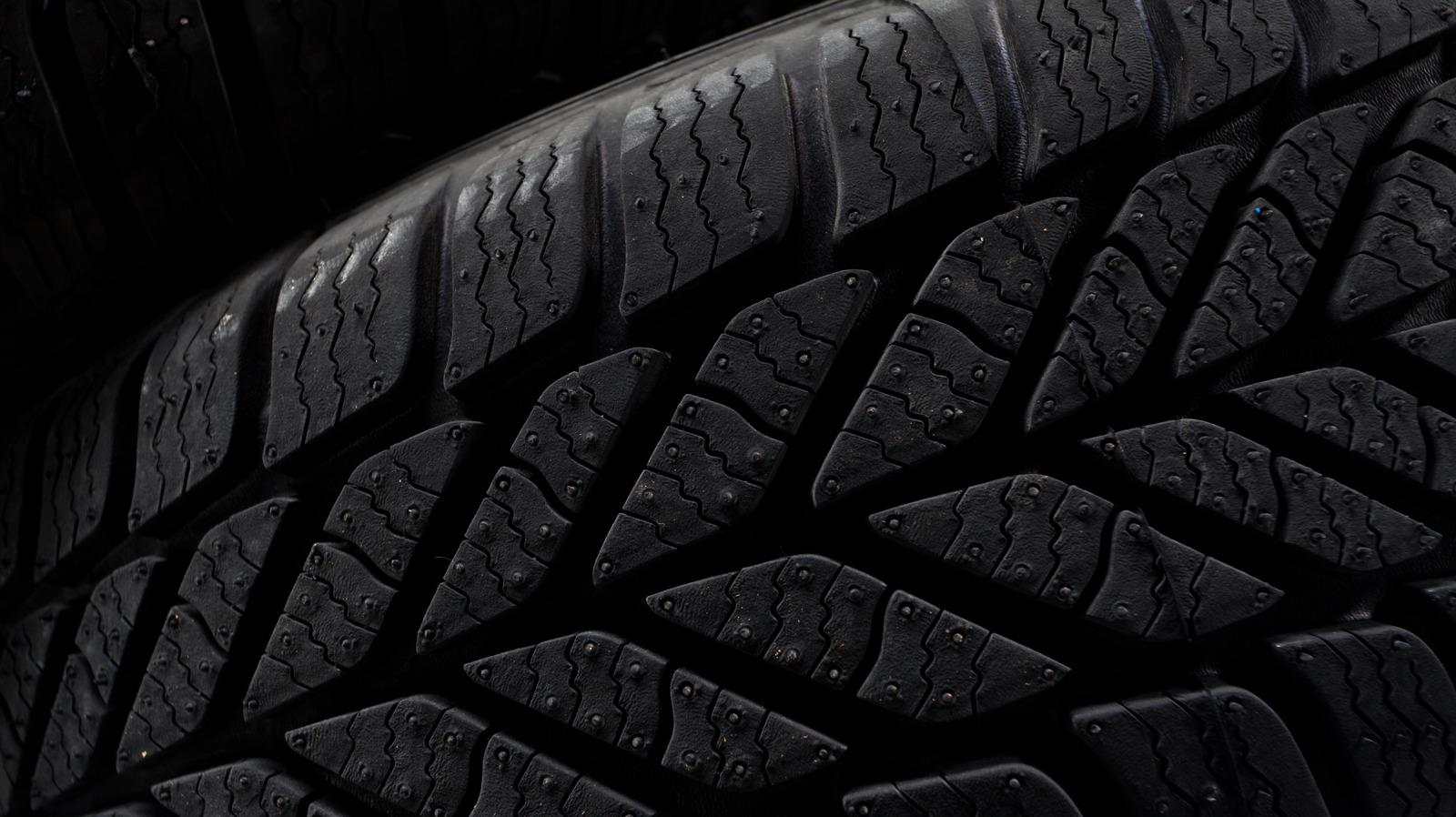
Why Aren’t Car Tires Made of Solid Rubber? The Real Reasons Explained
Image: Why Aren’t Car Tires Made of Solid Rubber? The Real Reasons Explained – Performance Comparison and Specifications
Design & Looks
Air‑filled tires are a masterpiece of engineering. The air chamber acts like a cushion, letting the sidewall flex and keep the ride smooth. A solid rubber wheel would be as hard as a rock, making every bump feel like a jackhammer. That’s why you’ll never see a sleek sedan with a block of rubber where the tire should be.
- Flexibility: Air lets the tire deform, improving comfort.
- Heat dissipation: The air inside carries heat away from the tread, extending tire life.
- Weight: Solid rubber would add a lot of unsprung weight, hurting handling.
Performance & Mileage
Driving a car is about balance—traction, braking, fuel economy. Inflatable tires give you a larger contact patch when needed and shrink it when cruising, which saves fuel. Solid tires stay the same size all the time, leading to higher rolling resistance and worse mileage.
Farm equipment and forklifts can get away with airless tires because they move slowly and don’t need high‑speed grip. Cars, however, hit 70 mph or more, corner hard, and demand precise feedback. The lack of a flexible cushion would make every turn feel like driving on a skate‑board.
Price & Rivals
Solid rubber sounds cheaper—no valve, no pressure checks. In reality, the material and manufacturing costs are higher. You’d also need a new suspension design to handle the extra stiffness, adding even more expense. That’s why manufacturers stick with the proven pneumatic system.
| Feature | Standard Air Tire | Airless (Solid) Tire |
|---|---|---|
| Engine | Works with any engine | Works with any engine |
| Mileage | Optimized for fuel efficiency | Higher rolling resistance → lower mileage |
| Price | Moderate (replaceable) | Higher upfront cost |
| Top Features | Comfort, heat dissipation, easy repair | Puncture‑proof, no pressure checks |
FAQ
- Can solid tires be used on passenger cars? Not practically—comfort and handling would suffer.
- Do airless tires improve safety? They eliminate flats but trade off grip and heat management, which can reduce safety at high speeds.
- Will solid tires ever replace pneumatic ones? Unlikely for everyday cars; they may appear on niche vehicles like small electric city cars.
What do you think? Share your thoughts in the comments below.
Source: Read Official News