Can E15 Gas Damage Your Engine? The Truth Every Driver Should Know
Can E15 Gas Damage Your Engine? The Truth Every Driver Should Know
Image: Can E15 Gas Damage Your Engine? The Truth Every Driver Should Know – Performance Comparison and Specifications
Bottom line: Most modern cars can run on E15 without issue, but older or high‑performance engines may see reduced fuel efficiency and potential wear if the fuel isn’t approved.
Design & Looks
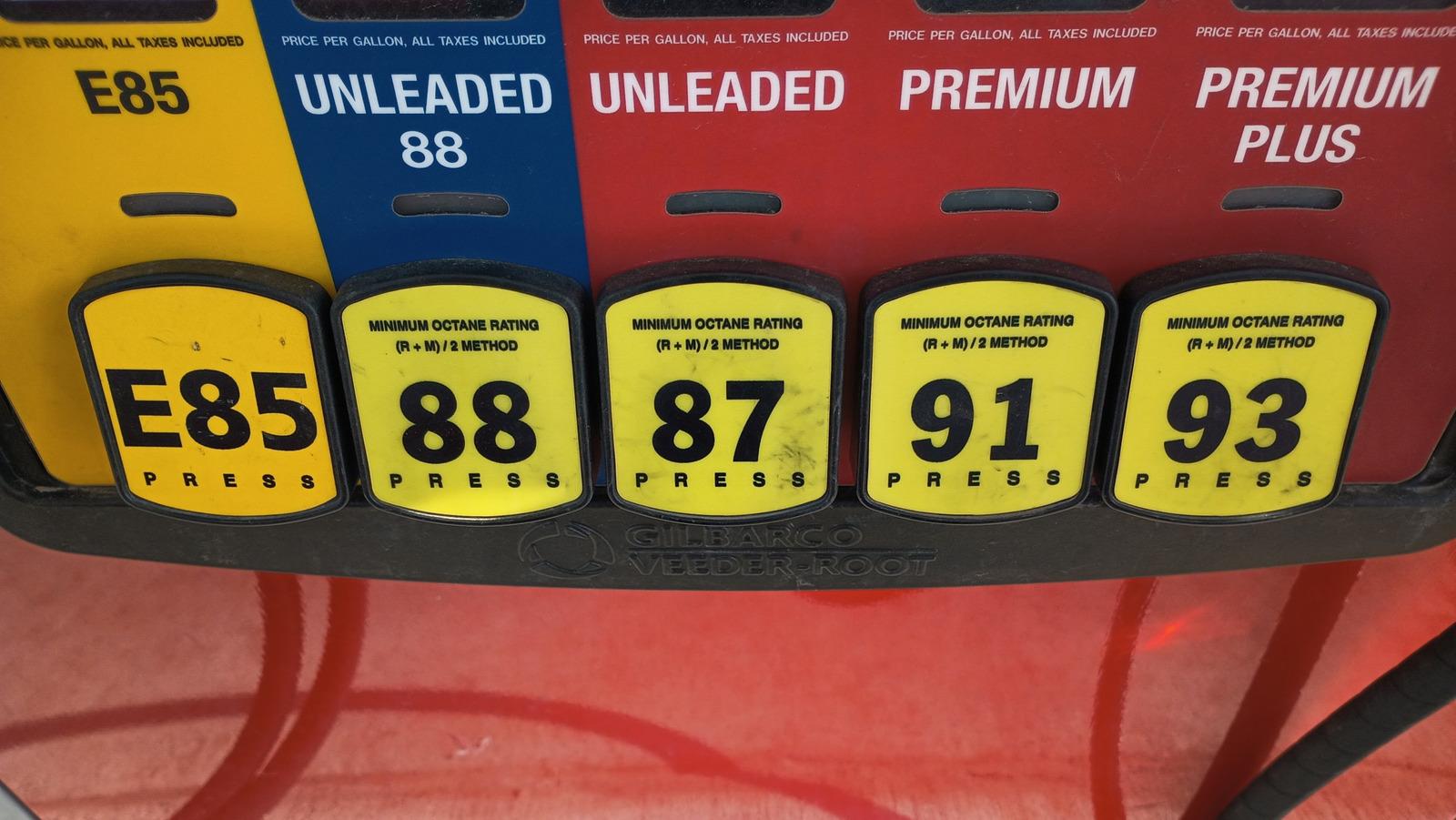
E15 is a blend of 15% ethanol and 85% gasoline. The ethanol part helps the fuel burn cleaner, which can lower emissions and improve octane rating. Visually, you won’t notice any difference at the pump – the color and smell are nearly identical to regular unleaded.
What matters is the engine’s design. Vehicles built after 2001 typically have ethanol‑compatible fuel systems, meaning seals, hoses, and fuel injectors can handle the extra alcohol. Older cars, especially those with carburetors or “classic” fuel pumps, often use materials that can degrade when exposed to ethanol.
Performance & Mileage
Because ethanol contains less energy per gallon than pure gasoline, you’ll usually see a 2‑3% drop in miles per gallon when switching to E15. The effect is more noticeable on highway cruising than city stop‑and‑go traffic.
Engine wear is another concern. Ethanol is a solvent; it can clean deposits that have built up in the fuel system, which sounds good but may temporarily clog filters or cause rough idling in older engines. In extreme cases, repeated use of non‑approved ethanol blends can lead to rubber seal shrinkage and fuel leaks.
For most drivers, the performance hit is small and the environmental benefit outweighs the cost. However, if your car’s owner’s manual specifically advises against ethanol blends above E10, stick to regular gasoline.
Price & Rivals
E15 is often priced a few cents per gallon lower than E10 or premium gasoline. The savings add up if you fill up weekly, but compare that to the potential extra maintenance costs for older engines.
Alternatives include:
- E10: 10% ethanol, universally accepted, minimal mileage loss.
- Premium 91/93: Higher octane, better for high‑compression engines, but more expensive.
- Diesel or Flex‑Fuel: Not compatible with most gasoline engines; only for specific models.
| Engine | Mileage (MPG) | Price (per gal) | Top Features |
|---|---|---|---|
| 2015 Ford F‑150 (E15‑ready) | 22 city / 28 hwy | $3.29 | Durable fuel system, 2.7 L EcoBoost |
| 1998 Honda Civic (E15‑not recommended) | 30 city / 35 hwy | $3.25 | Simple carburetor, high‑rev VTEC |
| 2022 Chevrolet Silverado (E15‑approved) | 20 city / 26 hwy | $3.31 | Advanced fuel injection, 5.3 L V8 |
FAQ
- Can I use E15 in a 2005 Toyota Camry? Yes, if the owner’s manual lists E15 as acceptable. Most 2005 Camrys are E15‑compatible.
- Will E15 void my car’s warranty? Only if the manufacturer explicitly states that higher ethanol blends are prohibited. Check the warranty booklet.
- How much fuel economy will I lose with E15? Expect about a 2‑3% drop compared to pure gasoline, roughly 0.5‑0.8 MPG on highway driving.
Got a story about using E15? Share it in the comments below – we’d love to hear how it affected your ride.
Source: Read Official News