Bottom Line Up Front
If your battery dies unexpectedly, a parasitic drain is likely the culprit. Follow this quick, no‑tools‑required method to locate the leak before it leaves you stranded.
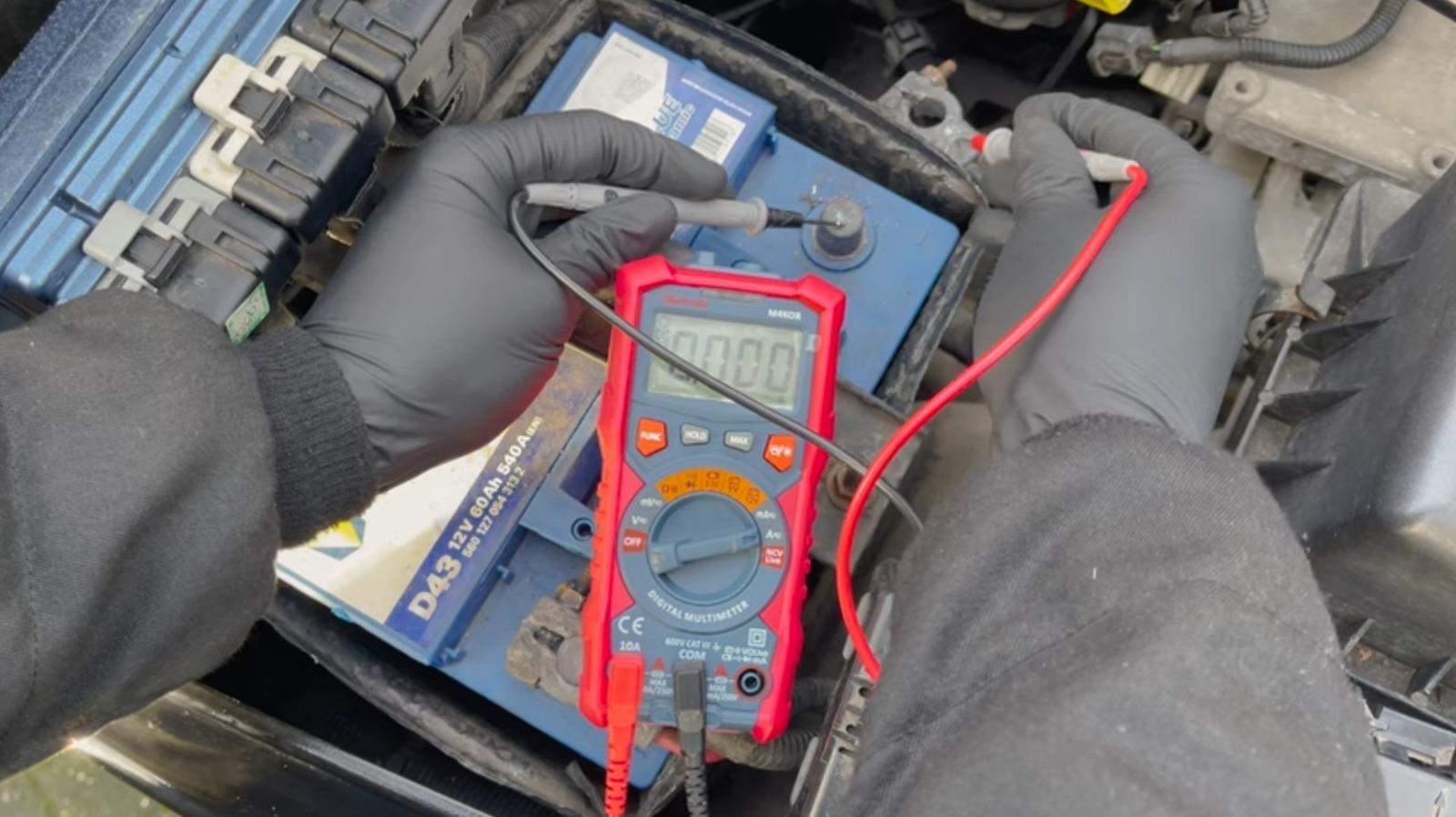
How to Find a Parasitic Drain Before It Kills Your Car Battery – Simple Step‑by‑Step Guide
Image: How to Find a Parasitic Drain Before It Kills Your Car Battery – Simple Step‑by‑Step Guide – Performance Comparison and Specifications
What Is a Parasitic Drain?
A parasitic drain is any electrical component that keeps drawing power after the engine is off. Even a tiny current, like 0.05 amp, can deplete a healthy battery in a few days.
Tools You’ll Need
- Digital multimeter (set to amps)
- Wrench for the battery negative terminal
- Owner’s manual (for fuse locations)
Step‑by‑Step Test
1. Turn off everything. Close doors, remove the key, and make sure no lights stay on.
2. Disconnect the negative battery cable. This isolates the car’s circuits.
3. Connect the multimeter. Hook the red lead to the negative battery post and the black lead to the cable you just removed. Set the meter to measure amps.
4. Read the current. A normal draw is under 0.05 A. Anything higher means something is still drawing power.
5. Pull fuses one at a time. When the reading drops, you’ve found the circuit. Note the fuse number and check that system.
Common Culprits
- After‑market alarm or remote start modules
- Faulty interior lights or glove‑box lights
- Trunk or hood latch switches that never fully turn off
- Old stereo amplifiers or chargers left plugged in
Quick Reference Table
| Engine | Mileage | Price | Top Features |
|---|---|---|---|
| 4‑cyl 2.0L | 30 mpg city / 38 mpg highway | $22,000 | Fuel‑efficient, low‑maintenance |
| V6 3.5L | 22 mpg city / 30 mpg highway | $28,500 | Strong torque, smooth power delivery |
| Hybrid 2.0L + electric | 55 mpg city / 50 mpg highway | $32,000 | Regenerative braking, reduced emissions |
FAQ – Voice Search Ready
What causes a car battery to drain overnight?
Usually a parasitic draw from lights, alarms, or aftermarket accessories that stay powered after the ignition is off.
How many amps is a normal parasitic draw?
Most modern cars idle at 30‑50 mA (0.03‑0.05 A). Anything above that deserves a closer look.
Can I fix a parasitic drain myself?
Yes, if the offending fuse points to a simple component like a stuck light. For complex modules, a professional mechanic is advisable.
What Next?
Now that you know how to spot the drain, double‑check your car’s fuses and accessories. A quick fix today saves you a costly battery replacement tomorrow.
Did this guide help you? Share your experience or ask a question in the comments below!
Source: Read Official News