Bottom Line Up Front
Engine knocking is a rattling sound that means something’s wrong with the combustion process, and if ignored it can damage your engine. Understanding why it happens and how to stop it can save you costly repairs.
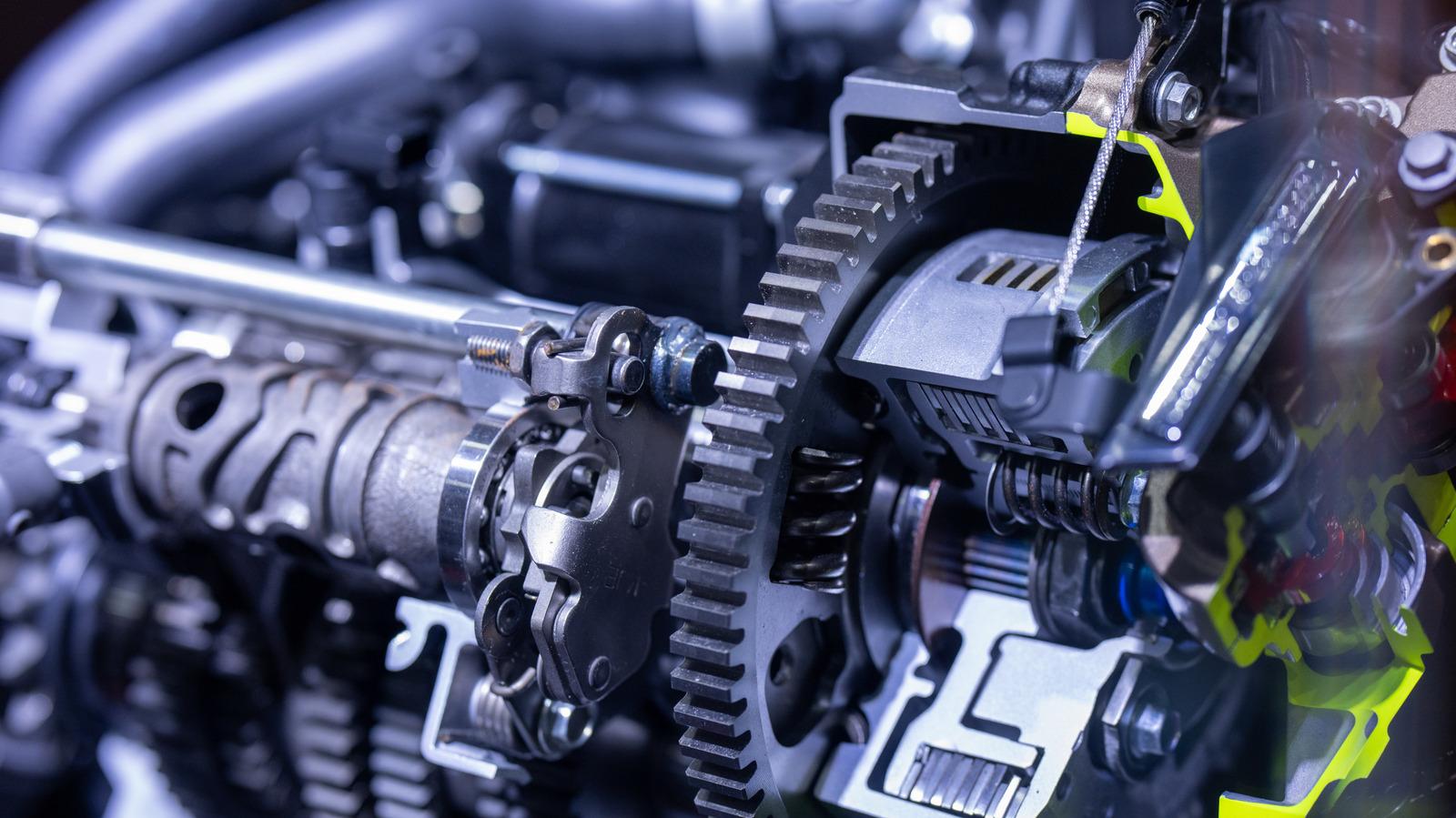
Engine Knocking Explained: Causes, Effects, and How to Prevent It
Image: Engine Knocking Explained: Causes, Effects, and How to Prevent It – Performance Comparison and Specifications
What Causes Engine Knocking?
Knocking, also called pinging or detonation, occurs when the air‑fuel mixture explodes unevenly. Here are the most common triggers:
- Low‑octane fuel: Using gasoline with an octane rating below what the engine expects can cause premature ignition.
- Incorrect ignition timing: If the spark plug fires too early, the pressure spikes and creates a knock.
- Carbon buildup: Deposits on pistons or valves raise compression, making the mixture ignite too soon.
- Over‑heating: High engine temperatures reduce the fuel’s resistance to self‑ignition.
- Lean air‑fuel mixture: Too much air and not enough fuel can increase combustion temperature.
How Knocking Affects Performance & Mileage
When knocking happens, the engine works less efficiently. The irregular explosions waste power, so you’ll notice slower acceleration and a drop in fuel economy—sometimes 2‑4 % less mileage. Over time, the repeated stress can wear pistons, cylinder walls, and spark plugs, leading to expensive repairs.
Prevention Tips (Price & Rivals)
Fixing a knock doesn’t have to break the bank. Simple maintenance steps keep most engines running cleanly:
- Use the fuel octane rating recommended in your owner’s manual.
- Keep the cooling system in good shape—flush coolant regularly and check the thermostat.
- Follow the service schedule for spark plug replacement and ignition timing checks.
- Consider a fuel system cleaner to dissolve carbon deposits.
- Monitor engine temperature gauges; pull over if the engine runs hot.
If you’re comparing repair costs, a basic tune‑up (spark plugs, fuel injector cleaning) is usually under $200, while a full engine overhaul can exceed $3,000. Choosing quality parts and reputable mechanics helps you avoid overspending.
Quick Reference Table
| Engine | Mileage | Price | Top Features |
|---|---|---|---|
| V6 3.5L | 28 mpg | $4,800 | Balanced power, smooth idle, low‑knock tendency |
| Inline‑4 2.0L Turbo | 32 mpg | $5,200 | High efficiency, responsive, requires premium fuel |
| V8 5.0L | 22 mpg | $6,500 | Strong torque, tolerant of low octane, louder exhaust |
FAQ
- What causes engine knocking? Most often it’s low‑octane fuel, incorrect timing, carbon buildup, overheating, or a lean mixture.
- How can I prevent engine knocking? Use the proper octane fuel, keep the cooling system healthy, stay on top of spark‑plug and timing service, and clean carbon deposits regularly.
- Is engine knocking dangerous? Yes, if left unchecked it can damage pistons, cylinders, and spark plugs, leading to costly repairs.
Got a story about knocking in your car? Share it in the comments below!
Source: Read Official News