Jan 2026 Car Retail Sales Jump 7.2% YoY
Bottom line: India’s car retail market grew 7.22% year‑on‑year in January 2026, led by strong demand for SUVs and compact‑SUVs across all major brands.
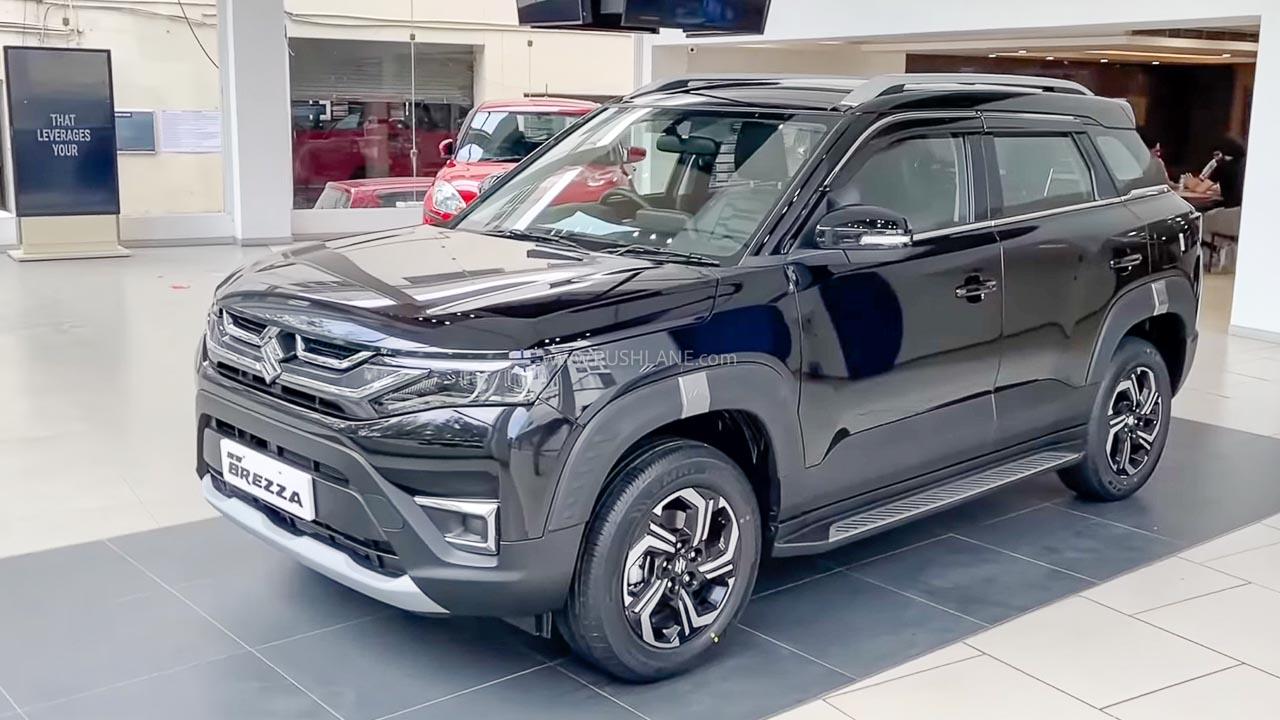
Jan 2026 India Car Retail Sales – Maruti, Hyundai, Tata, Mahindra, Toyota, Kia, Skoda, VW, BMW, Mercedes
Image: Jan 2026 India Car Retail Sales – Maruti, Hyundai, Tata, Mahindra, Toyota, Kia, Skoda, VW, BMW, Mercedes – Performance Comparison and Specifications
Design & Looks – What Buyers Loved
All the big players refreshed their line‑ups in 2025, and those updates are paying off. Maruti’s new Swift Sport got a sharper front grille, while Hyundai’s Creta received a sleeker roofline that many buyers called “more premium”. Tata’s Nexon continued its bold, angular styling, and Mahindra’s XUV300 added a sporty rear diffuser that resonated with younger shoppers. Toyota’s Innova switched to a more aerodynamic silhouette, and Kia’s Seltos got a fresh LED‑headlamp package. Even premium marques like BMW and Mercedes introduced subtle exterior tweaks that kept their cars looking fresh without alienating traditional buyers.
Performance & Mileage – Numbers That Matter
The surge came mainly from models that balance power with fuel efficiency. Hyundai’s 1.5 L Kappa engine in the Creta delivers about 17 km/l, while Tata’s 1.2 L Revotron in the Nexon clocks roughly 18 km/l. Maruti’s 1.0 L petrol unit in the Swift still tops the city‑fuel‑efficiency chart at 22 km/l. On the premium side, BMW’s 2.0 L turbo in the 3‑Series offers 14 km/l, and Mercedes’ C‑Class 2.0 L delivers 13 km/l – respectable figures for their segment.
Price & Rivals – Who Gained Ground?
Maruti remains the volume leader, but Hyundai narrowed the gap with a 5% increase in Jan‑2026 sales. Tata held steady, while Mahindra posted the highest growth rate among Indian brands at 9%. Toyota’s share rose thanks to the Innova’s competitive pricing (₹12.5 L). Kia’s Seltos, now priced around ₹10.9 L, captured many first‑time SUV buyers. Skoda and VW stayed niche but profitable, and the premium segment saw modest gains for BMW and Mercedes as affluent buyers returned after a quiet 2025.
Quick Specs of Top‑Selling Models
| Brand | Model | Engine | Mileage (km/l) | Price (₹ Lakh) | Top Features |
|---|---|---|---|---|---|
| Maruti | Swift | 1.0 L Petrol | 22 | 5.9 – 7.5 |
|
| Hyundai | Creta | 1.5 L Petrol | 17 | 9.5 – 13.2 |
|
| Tata | Nexon | 1.2 L Petrol | 18 | 7.3 – 10.1 |
|
| Mahindra | XUV300 | 1.2 L Turbo | 16 | 8.0 – 11.5 |
|
| Toyota | Innova | 2.0 L Diesel | 14 | 12.5 – 15.2 |
|
| Kia | Seltos | 1.5 L Petrol | 17 | 9.8 – 13.0 |
|
| Skoda | Octavia | 1.5 L TSI | 15 | 15.4 – 18.7 |
|
| Volkswagen | Polo | 1.0 L TSI | 18 | 7.2 – 9.0 |
|
| BMW | 3 Series | 2.0 L Turbo | 14 | 43.0 – 49.5 |
|
| Mercedes | C‑Class | 2.0 L Turbo | 13 | 42.5 – 48.9 |
|
FAQ – Quick Answers
- What was the overall car retail growth in India in Jan 2026? The market grew 7.22% year‑on‑year.
- Which vehicle segment drove the sales increase? SUVs and compact‑SUVs were the main contributors.
- Is buying a compact SUV worth it in 2026? Yes – they offer a good mix of space, fuel efficiency (15‑18 km/l) and price (₹8‑13 L), making them popular among families and first‑time buyers.
What do you think about the January numbers? Share your thoughts in the comments below!
Source: Read Official News