Ford Mustang vs Chevy Camaro: Which Muscle Car Depreciates Faster?
Ford Mustang vs Chevy Camaro: Which Muscle Car Depreciates Faster?
Image: Ford Mustang vs Chevy Camaro: Which Muscle Car Depreciates Faster? – Performance Comparison and Specifications
Bottom line: The Chevy Camaro loses value a bit quicker than the Ford Mustang, especially after the first three years.
Design & Looks
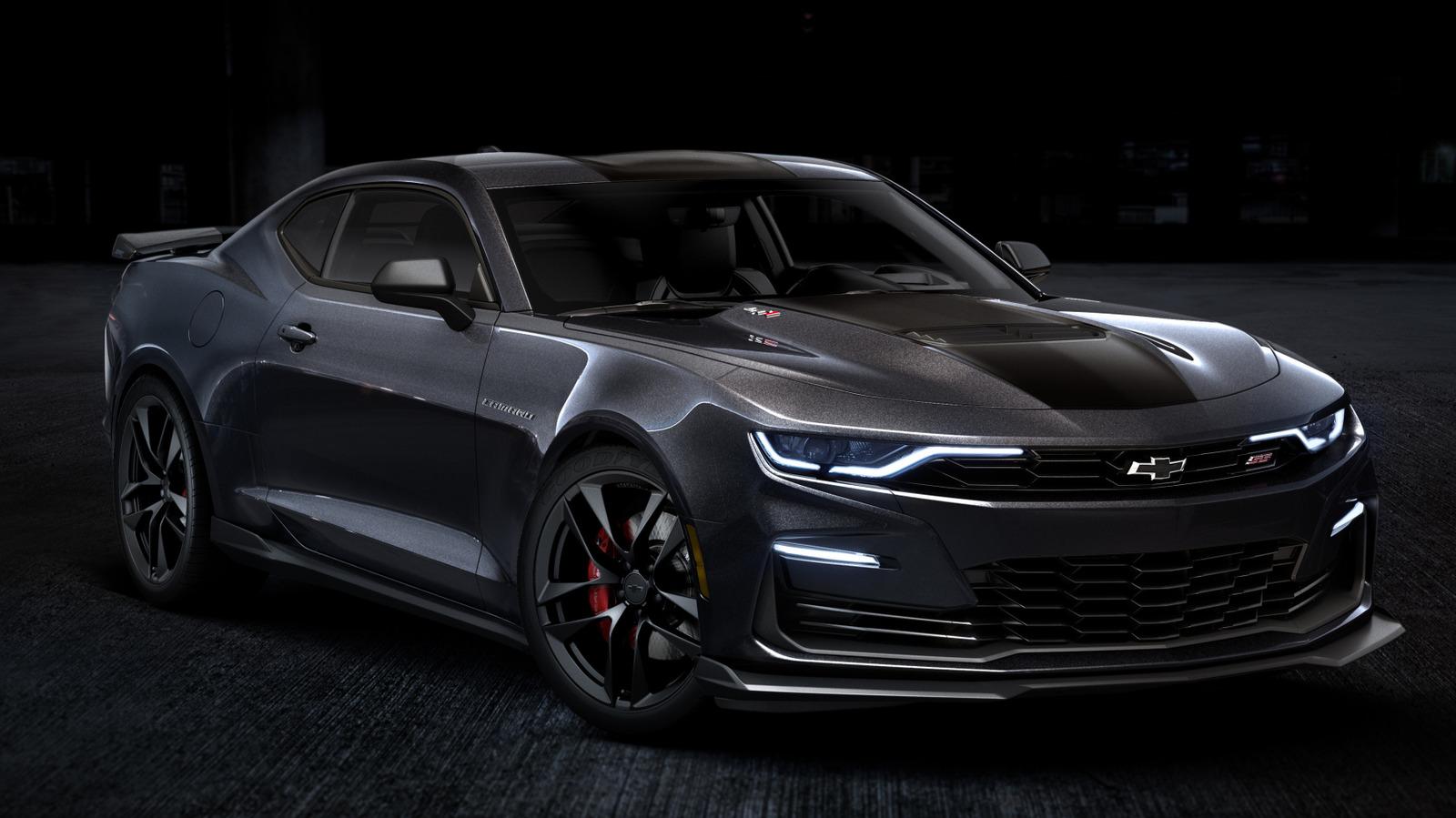
The Mustang’s iconic pony‑car silhouette still turns heads. Its retro‑modern cues keep the car feeling fresh, even on older models. The Camaro, meanwhile, sports a sleek, aggressive shape that some call “coupé‑like.” Both look great, but the Mustang’s heritage gives it a slight edge in resale appeal.
- Mustang: Classic long hood, short rear deck.
- Camaro: Sharper lines, wider stance.
Performance & Mileage
Both cars offer a range of engines. The base Mustang comes with a 2.3‑liter EcoBoost that delivers about 310 hp, while the Camaro starts with a 2.0‑liter turbo making 275 hp. Real‑world fuel economy is similar – roughly 22 mpg city / 30 mpg highway for each.
Enthusiasts often choose the V8 options (5.0‑L in the Mustang GT, 6.2‑L in the Camaro SS). Those engines are fun, but they also cost more to run, which can affect long‑term ownership costs.
Price & Rivals
New‑car prices are close: the Mustang starts around $28,000 and the Camaro around $27,500. However, when you look at three‑year resale values, the Mustang retains about 62 % of its original price, while the Camaro holds roughly 58 %.
Why the gap? The Mustang benefits from a larger fan base, more aftermarket support, and a steadier production run. The Camaro’s sales have been more volatile, which pushes its depreciation rate higher.
Quick Comparison Table
| Model | Engine | Mileage (mpg) | Starting Price | Top Features |
|---|---|---|---|---|
| Ford Mustang | 2.3 L EcoBoost / 5.0 L V8 | 22/30 (EcoBoost) – 16/25 (V8) | $28,000 |
|
| Chevy Camaro | 2.0 L Turbo / 6.2 L V8 | 20/29 (Turbo) – 16/23 (V8) | $27,500 |
|
FAQ
Which car loses value faster, Mustang or Camaro?
The Camaro typically depreciates faster, holding about 58 % of its original price after three years compared to the Mustang’s 62 %.
What is the average fuel economy for these models?
Both cars average around 22 mpg city and 30 mpg highway with their base four‑cylinder engines. V8 versions drop to roughly 16 mpg city and 23‑25 mpg highway.
Is the Mustang a better long‑term investment?
Given its slower depreciation and larger enthusiast community, the Mustang tends to be the smarter buy if you plan to sell later.
What’s your experience with either model? Drop a comment below – I’d love to hear your story!
Source: Read Official News