Why Japanese Automakers Took on European Luxury Brands – The Real Reason
Bottom line: After World War II Japanese carmakers found huge success in the U.S., and the lure of higher profit margins pushed them to create luxury divisions that could challenge Europe’s elite brands on equal footing.
Why Japanese Automakers Took on European Luxury Brands – The Real Reason
Image: Why Japanese Automakers Took on European Luxury Brands – The Real Reason – Performance Comparison and Specifications
Design & Looks
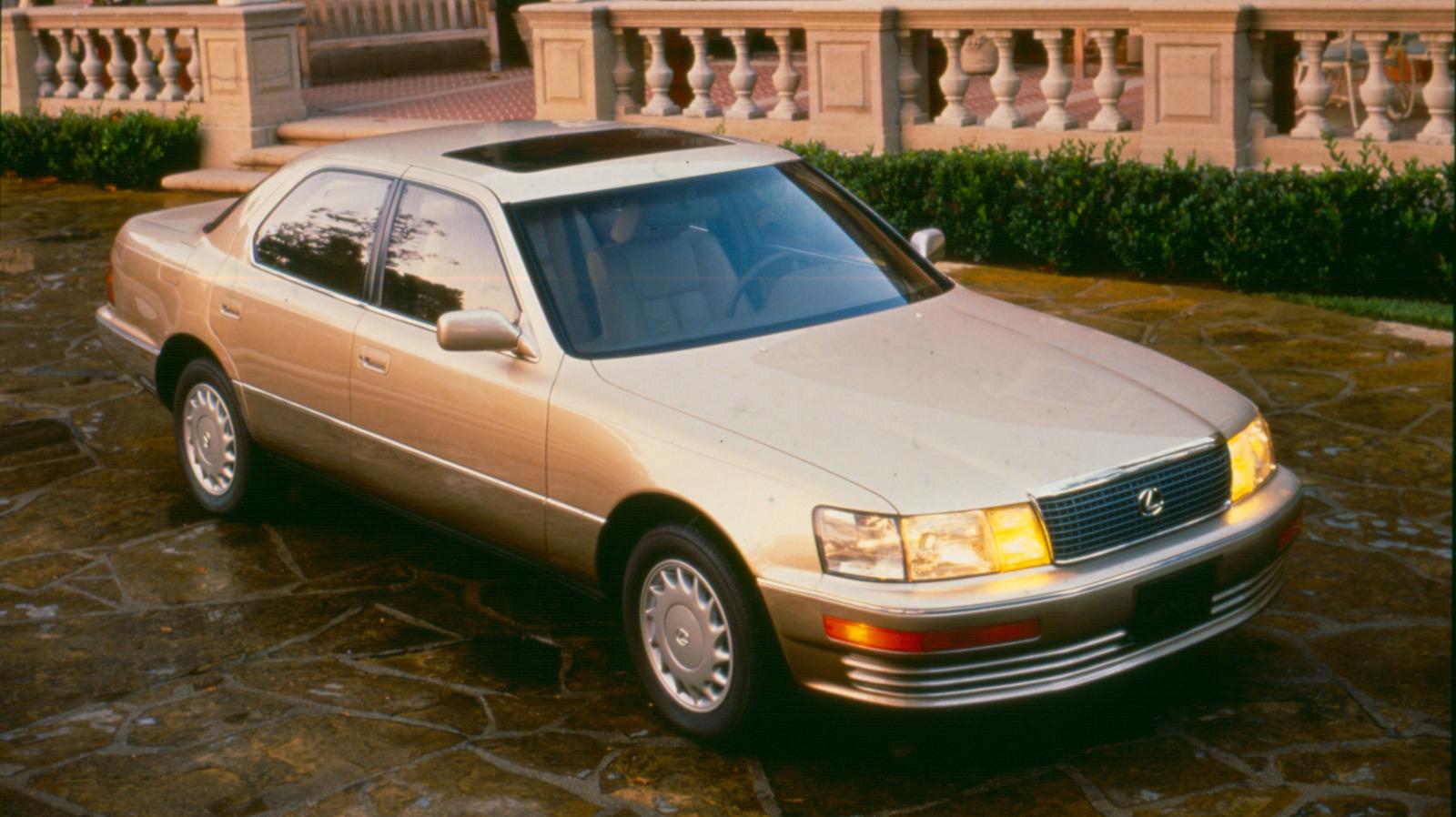
Japanese luxury models weren’t just about bigger engines; they were about a new visual language. Lexus, for example, borrowed the sleek, low‑slung silhouette of a BMW while adding a signature spindle grille that later became its own identity. Acura’s early RSX‑style front end hinted at a European vibe but used simpler lines that appealed to American buyers who wanted elegance without the pretentiousness.
These design choices were intentional. By studying what made a Mercedes‑Benz or Audi look premium – long hoods, balanced proportions, refined interior materials – Japanese engineers crafted cars that felt familiar yet fresh. The result was a blend of Eastern efficiency and Western flair.
Performance & Mileage
European luxury often bragged about raw power, but Japanese brands focused on a balance of performance and fuel economy. The 2015 Lexus LS 460, for instance, paired a 4.6‑liter V8 with a continuously variable transmission that delivered smooth acceleration while still achieving respectable EPA mileage.
That approach resonated with buyers who wanted a quiet, comfortable ride without the sky‑high fuel costs of a traditional European V12. It also gave Japanese automakers a technical edge: they could promise lower emissions and better reliability – two factors that increasingly mattered to consumers.
Price & Rivals
Price was the decisive factor. A new Lexus LS started around $70,000, undercutting a comparable Mercedes‑S‑Class by $10,000‑$15,000 while offering comparable tech and build quality. Infiniti and Acura followed suit, positioning their top‑tier sedans in the $55,000‑$70,000 range.
These price points forced European makers to rethink their own value propositions, leading to more aggressive warranty packages and optional tech bundles. Japanese luxury cars proved that you could deliver a premium experience without the European price tag.
| Engine | Mileage (MPG) | Price (USD) | Top Features |
|---|---|---|---|
| 4.6 L V8 (Lexus LS 460) | 18 city / 27 highway | $71,000 |
|
| 3.5 L V6 (Infiniti Q70) | 20 city / 28 highway | $55,000 |
|
| 3.5 L V6 (Acura RLX) | 21 city / 30 highway | $58,500 |
|
FAQ
- What mileage do Japanese luxury sedans typically get? Most models hover between 18‑21 MPG city and 27‑30 MPG highway, balancing power and efficiency.
- Are Japanese luxury cars worth buying over European rivals? Yes, if you value lower purchase price, better reliability, and comparable comfort.
- Which Japanese brand started the luxury push first? Lexus launched in 1989 and set the template for Infiniti (1989) and Acura’s premium line (1990‑1991).
What do you think? Share your thoughts in the comments below.
Source: Read Official News