Aftermarket Brake Pads vs OEM Specs – What’s the Real Difference?
Bottom line up front: Not every aftermarket brake pad matches the original equipment manufacturer (OEM) specification; differences can show up in material, mounting method, and performance.
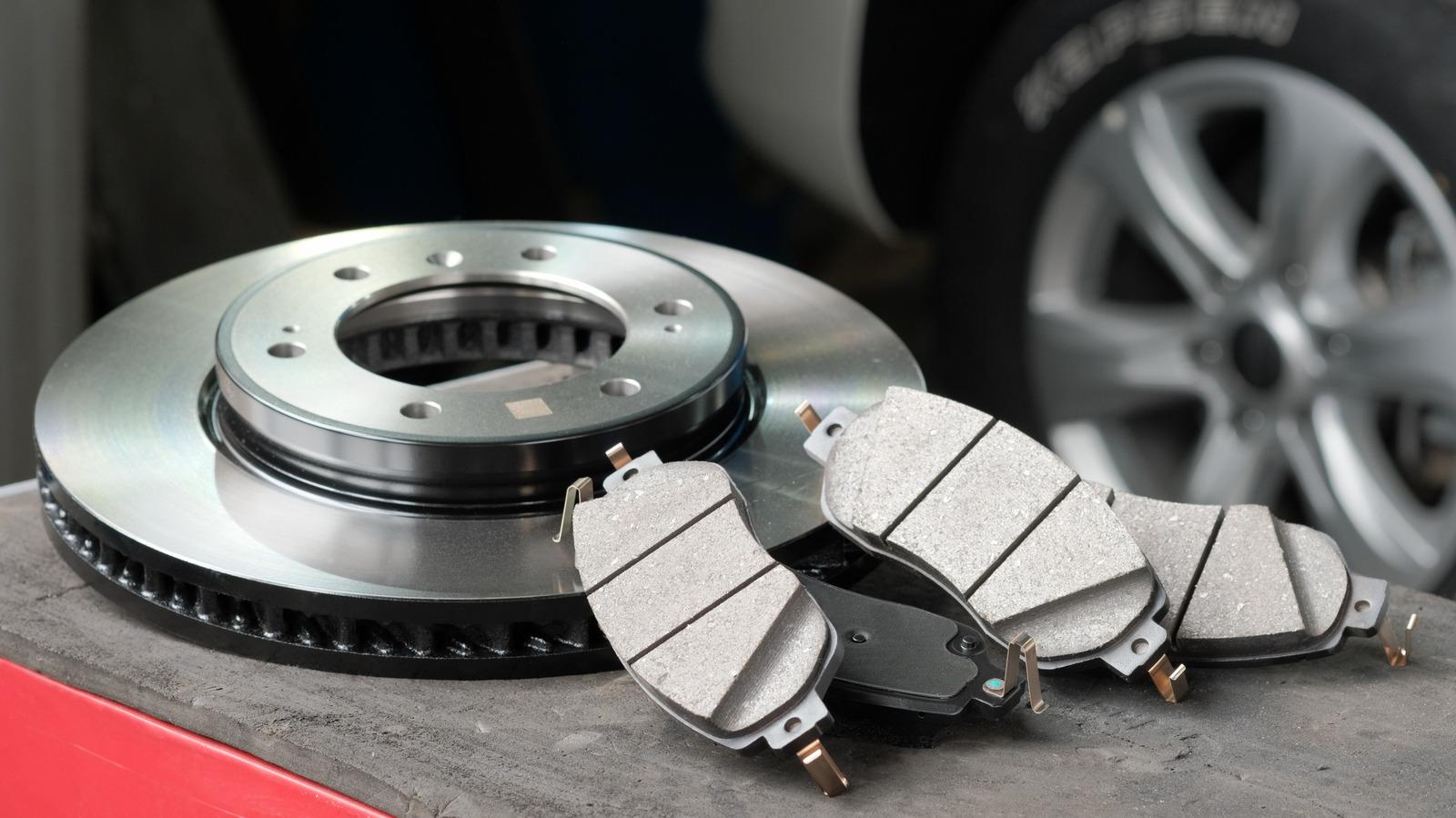
Aftermarket Brake Pads vs OEM Specs – What’s the Real Difference?
Advertisement
Image: Aftermarket Brake Pads vs OEM Specs – What’s the Real Difference? – Performance Comparison and Specifications
Design & Construction
OEM pads are designed to fit a specific vehicle’s caliper geometry. They often use a mix of metallic shims and a resin that’s been tested for heat dissipation. Many aftermarket options skip the OEM‑grade shims and rely on a simple “pressed‑in” design. This can change the way the pad sits, leading to uneven wear or a slightly different pedal feel.
Advertisement
- OEM: usually bonded with high‑temperature adhesive, matched to caliper bore.
- Aftermarket (budget): may be glued or mechanically pressed, sometimes lacking a proper backing plate.
- Aftermarket (premium): often mimics OEM bonding but may use different friction compounds.
Performance & Stopping Power
When you hit the brakes, the pad material determines bite and fade resistance. OEM pads are calibrated for the vehicle’s weight and typical driving style. Some aftermarket pads are tuned for racing or heavy‑duty use, which can feel harsher on daily commutes. Conversely, cheap aftermarket pads might produce more dust and a softer feel.
- Heat resistance: OEM ~250°C, premium aftermarket ~300°C, low‑cost ~200°C.
- Noise: OEM generally quiet; cheap aftermarket can squeal.
- Dust: Ceramic‑based aftermarket pads often produce less dust than semi‑metallic OEM pads.
Price & Rivals
Price is the most obvious difference. OEM pads are sold through dealers and can cost $120‑$180 per axle. Aftermarket pads range from $50 for basic models up to $200 for high‑performance kits. The cheap options save money but may trade off durability. Premium brands aim to beat OEM on performance while staying under the dealer price.
| Engine | Mileage | Price | Top Features |
|---|---|---|---|
| Varies by vehicle | Depends on driving style | $50‑$180 | Low dust, high‑temp resistance, OEM‑style bonding |
FAQ
- Do aftermarket brake pads fit the same as OEM? Most do, but the mounting method (glued vs pressed) can differ, affecting fit and feel.
- Can I safely use cheap aftermarket pads on a daily driver? Yes, but expect more noise and possibly shorter lifespan compared to OEM.
- Are premium aftermarket pads better than OEM? In many cases they offer comparable or improved heat resistance and less dust, but performance varies by brand.
What’s your experience with aftermarket brake pads? Drop a comment below and let us know which brand worked best for you.
Advertisement
Source: Read Official News