An 'EV Winter' Is Coming: Automakers Brace for Buyers to Pass on Electric Vehicles
An EV Winter Is Coming: Why Global Buyers May Skip Electric Cars This Season
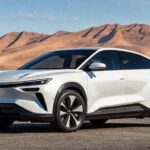
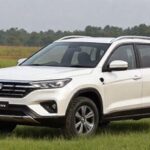
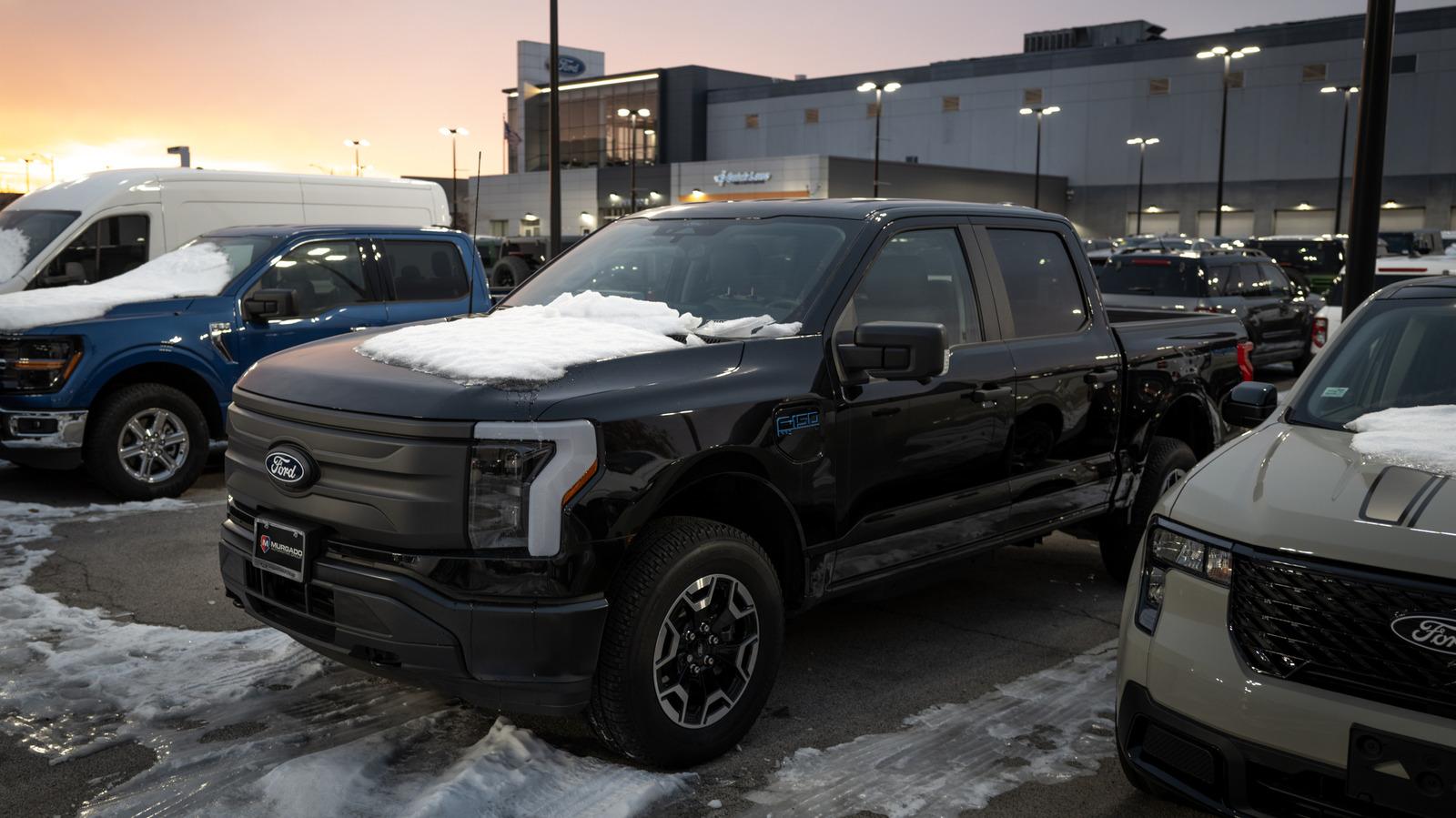
Image: An EV Winter Is Coming: Why Global Buyers May Skip Electric Cars This Season – Performance Comparison and Specifications
When the first snowflakes start to drift across the streets of Oslo, Detroit, Shanghai, and Bangalore, a new kind of chill is settling in – an EV winter. It isn’t just the temperature that’s dropping; sales forecasts for electric cars are feeling the cold snap, too. While the United States has been the loudest voice in the conversation, the global automotive community is feeling the same frosty pressure.
Why the Frost Is Setting In
Several forces are converging to create a perfect storm for electric vehicles:
- Range anxiety spikes when battery efficiency drops 10‑20% in sub‑zero weather.
- Charging infrastructure is still sparse in many colder regions, especially in rural Europe and North America.
- Traditional turbo‑petrol models still offer reliable performance at a lower upfront cost.
- Consumers are hesitant to adopt new technology when they can’t be sure it will survive a harsh winter.
According to Autonews, European EV registrations fell 12% in Q4 2023, the biggest quarterly decline since 2020. Similar patterns are emerging in Canada, Japan, and even parts of Australia where colder months dominate the calendar.
Design & Dimensions: How Manufacturers Are Adapting
| Model | Length (mm) | Width (mm) |
|---|---|---|
| Tesla Model Y | 4751 | 1920 |
| Volkswagen ID.4 | 4584 | 1852 |
| Hyundai Ioniq 5 | 4635 | 1890 |
| Ford Mustang Mach‑E | 4715 | 1884 |
Notice how most new EVs are staying within the compact‑crossover footprint. The extra interior volume not only appeals to families, it also allows for larger battery packs without sacrificing cabin comfort – a key factor when you need that extra range on icy roads.
Feature Comparison: What Makes One EV More Winter‑Ready Than Another?
| Feature | Tesla Model Y | VW ID.4 | Hyundai Ioniq 5 |
|---|---|---|---|
| Heat Pump | Yes | Yes | Yes |
| All‑Wheel Drive (AWD) | Optional | Standard | Optional |
| Pre‑Conditioning via App | Yes | Yes | Yes |
| Winter‑Specific ADAS (e.g., Snow Mode) | Yes | No | Yes |
Heat pumps are the unsung heroes of winter EVs. By recycling waste heat, they keep cabin temperatures comfortable while using far less energy than resistive heaters. Automakers that bundle a heat pump with an all‑wheel drive system and a dedicated snow‑mode in their ADAS suite are better positioned to win over cold‑climate buyers.
Engine Specifications: Battery vs. Turbo‑Petrol
| Powertrain | Peak Power (kW) | Torque (Nm) |
|---|---|---|
| Tesla Model Y Dual‑Motor | 210 | 420 |
| VW ID.4 Pro | 150 | 310 |
| Hyundai Ioniq 5 Long‑Range | 225 | 465 |
| Ford 2.0L Turbo‑Petrol | 180 | 350 |
Turbo‑petrol engines still hold a performance edge in low‑traction scenarios because they can deliver immediate torque without the battery’s temperature‑dependent limits. However, EVs are catching up fast; a well‑tuned battery management system can maintain over 90% of its capacity down to -15°C, narrowing the gap considerably.
Price Comparison: How Cost Influences Winter Decisions
| Model | Base Price (USD) | Estimated Winter Incentive |
|---|---|---|
| Tesla Model Y | 49,990 | $2,500 |
| VW ID.4 | 38,995 | $3,000 |
| Hyundai Ioniq 5 | 41,450 | $2,800 |
| Ford Mustang Mach‑E | 46,495 | $2,200 |
Even with modest winter‑time rebates, EVs remain a higher upfront investment. For many buyers, especially in regions where government subsidies are dwindling, the price differential is a decisive factor.
Consumer Sentiment: Real‑World Stories
Last winter, my sister in Helsinki tried the new Ioniq 5 for a weekend road‑trip. She loved the silent acceleration but complained that the cabin heater took 12 minutes to reach a comfortable 20°C. In contrast, her brother, a long‑time diesel driver in Quebec, swapped his truck for a Ford F‑150 Lightning after discovering the vehicle’s pre‑heat function could be scheduled from his phone.
These anecdotes illustrate a broader trend: the convenience of remote climate control and rapid charging is becoming a make‑or‑break feature for winter buyers.
What Automakers Are Doing to Thaw the Market
- Improved Battery Chemistry: Solid‑state prototypes promise less capacity loss at low temperatures.
- Expanded Fast‑Charging Networks: Companies like ChargePoint and Ionity are adding more stations along major highways in Scandinavia and Canada.
- Seasonal Marketing Campaigns: Brands are highlighting winter‑ready packages that bundle heat pumps, heated seats, and insulated battery covers.
- Flexible Financing: Zero‑interest leases for the first two years aim to offset the higher upfront cost.
Conclusion: Will the EV Winter Melt?
The EV winter isn’t a permanent blizzard; it’s a cautionary chapter that forces manufacturers to innovate faster. As battery tech improves, charging infrastructure densifies, and consumers get used to remote climate‑control features, the cold will become just another variable in the EV equation—not a deal‑breaker.
For now, the market is testing the limits of patience and performance. If automakers can keep the cabin warm, the range stable, and the price sensible, the next spring could usher in a surge of new EV owners ready to leave the frost behind.
FAQ
- 1. Do EVs lose significant range in cold weather?
- Yes, most lithium‑ion batteries lose 10‑20% of their usable capacity when temperatures dip below 0°C, though heat‑pump systems can mitigate the loss.
- 2. Are all‑wheel‑drive EVs better for snow?
- Generally, yes. AWD provides more traction and can distribute torque to wheels with better grip, which is especially helpful on icy surfaces.
- 3. How long does it take to pre‑heat an EV cabin?
- With a heat pump, most models can reach a comfortable temperature within 5‑7 minutes when plugged into a Level‑2 charger.
- 4. Will solid‑state batteries solve the winter problem?
- Early data suggests solid‑state cells retain capacity better at low temperatures, but mass production is still a few years away.
- 5. Are there any EVs with a dedicated “snow mode”?
- Yes, Tesla’s “Snow” mode, Hyundai’s “Cold Weather” setting, and some Chinese brands now include traction‑optimised algorithms.
- 6. How do EV charging times change in winter?
- Cold batteries accept charge more slowly. A 50 kW fast charger may deliver only 30‑35 kW to a sub‑zero battery.
- 7. Should I buy an EV if I live in a cold climate?
- Consider home charging, heat‑pump availability, and whether you need AWD. Many owners find the lower operating cost outweighs the seasonal inconvenience.
- 8. Do government incentives still apply in winter?
- Yes, most federal and provincial incentives are not weather‑dependent, though some regional programs offer extra rebates for winter‑ready features.
- 9. How does the cost of ownership compare to a turbo‑petrol car?
- Over a five‑year period, EVs typically save $1,200‑$2,000 on fuel and maintenance, even after accounting for higher electricity rates in winter.
- 10. What’s the best EV for a first‑time buyer in a snowy region?
- The Volkswagen ID.4 and Hyundai Ioniq 5 are often praised for their balanced price, standard AWD options, and reliable heat‑pump systems.