Common Rail vs Mechanical Injection Diesel – What’s the Real Difference?
Bottom line: Common‑rail injection delivers smoother power, better fuel economy and lower emissions, while mechanical injection is simpler, cheaper, and still works fine in older or low‑cost diesel engines.
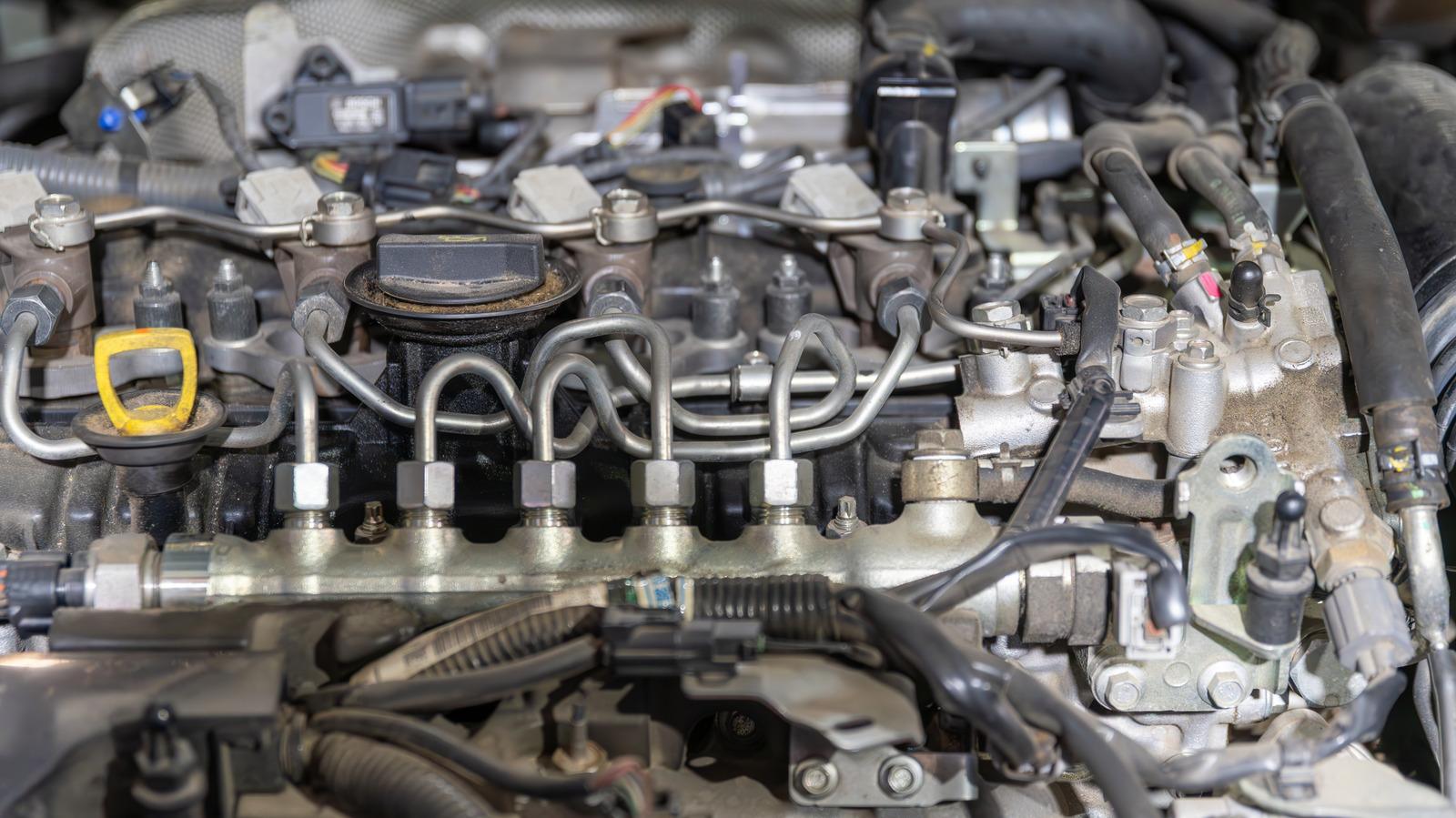
Common Rail vs Mechanical Injection Diesel – Key Differences, Performance & Price
Image: Common Rail vs Mechanical Injection Diesel – Key Differences, Performance & Price – Performance Comparison and Specifications
Design & Operation
Mechanical injection uses a cam‑driven pump that pushes a fixed amount of fuel at a set time. It’s a rugged, decades‑old system – think of the diesel trucks you saw on the road in the 80s. Common‑rail, on the other hand, stores fuel at very high pressure (up to 2,500 bar) in a shared rail and lets an electronic controller inject the exact amount at the perfect moment. This electronic precision means the injector can fire multiple times per combustion cycle, giving you finer control.
Performance & Mileage
Because common‑rail can fine‑tune injection timing and quantity, engines typically produce more torque low down and burn fuel more completely. In real‑world driving you’ll notice quicker pick‑up and a quieter cabin. Mileage improves by 5‑10 % on average compared with a mechanical system. Mechanical injection still provides solid low‑end torque, but you’ll feel a bit of a lag and hear the classic clatter of an older diesel.
Price & Rivals
Mechanical injectors are cheaper to manufacture and easier to service – a simple adjustment can keep them running for hundreds of thousands of miles. Common‑rail components are more expensive and require diagnostic tools, which pushes the upfront cost up. However, many modern rivals (Ford Duratorq, VW TDI, Mercedes‑Bens) have all moved to common‑rail, making it the industry standard for new cars.
| Engine Type | Mileage (MPG) | Price (USD) | Top Features |
|---|---|---|---|
| Mechanical Injection | 30‑35 | ~$800‑$1,200 (per system) |
|
| Common‑Rail Injection | 35‑40+ | ~$1,500‑$2,500 (per system) |
|
FAQ
- What is the main advantage of common‑rail over mechanical injection? Precise electronic control that boosts power, improves fuel economy and reduces emissions.
- Can I swap a mechanical injector for a common‑rail unit? It’s not a simple swap; the engine block, fuel pump and ECU must be compatible, so it’s usually done only on a full engine redesign.
- Which system lasts longer? Both can exceed 300,000 miles if maintained, but mechanical injectors are less sensitive to electronic failures.
If you’ve experienced either system in your own vehicle, share your story in the comments – we love hearing real‑world insights!
Source: Read Official News