Do Corvette Bodies Still Use Fiberglass? The Answer Is More Complex Than You Think
Do Corvette Bodies Still Use Fiberglass? The Answer Is More Complex Than You Think
Image: Do Corvette Bodies Still Use Fiberglass? The Answer Is More Complex Than You Think – Performance Comparison and Specifications
Advertisement
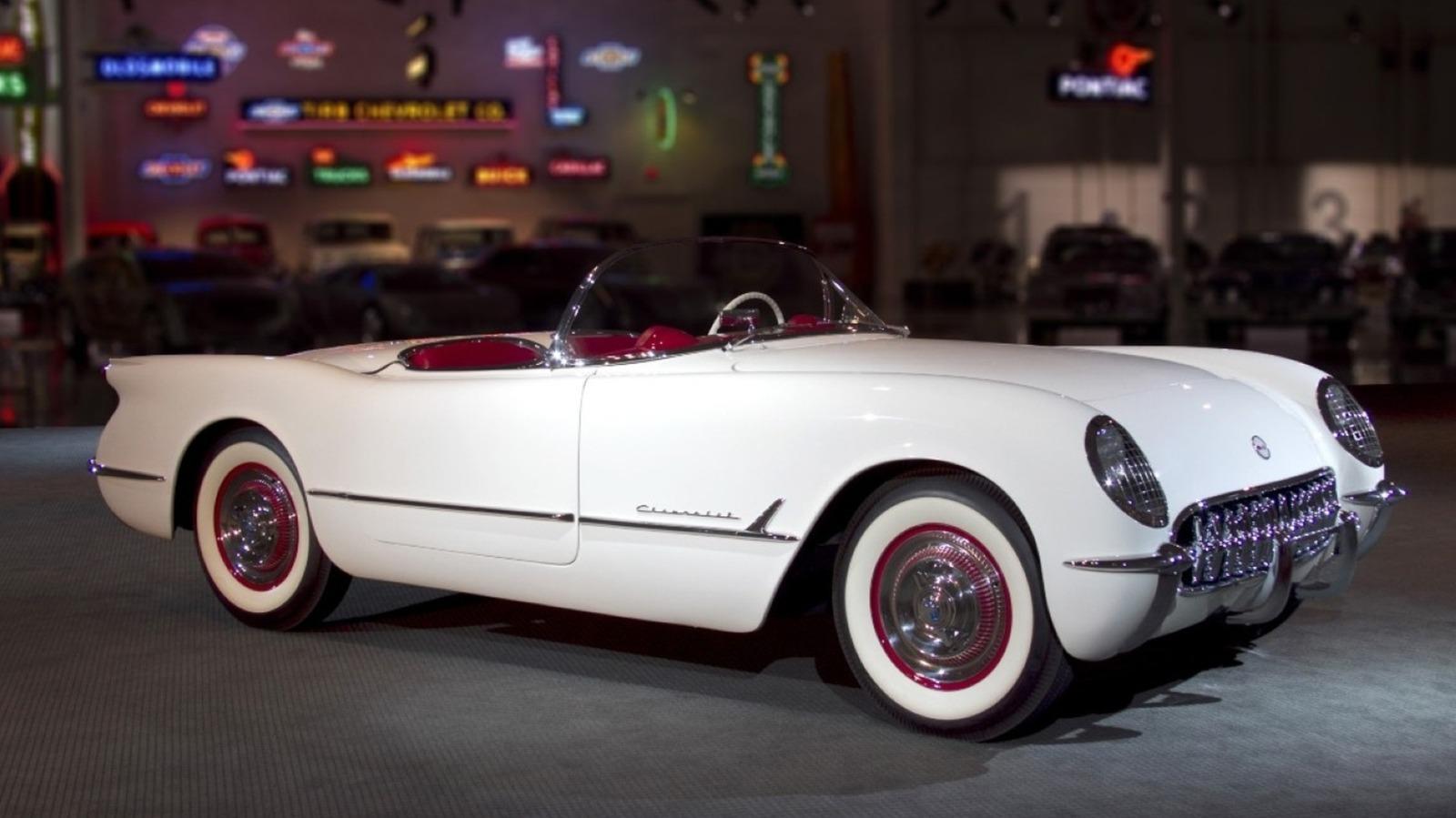
If you’ve spent any time at a car show or scrolled through Instagram’s #Corvette feed, you’ve probably noticed the sleek, low‑profile shell that makes the sports car instantly recognizable. That shell started life in 1953 as a lightweight fiberglass shell, and for decades it was the hallmark of Chevrolet’s first American sports car. But fast forward to the 2020s, and the story isn’t as simple as “still fiberglass.” In this post we’ll dig into the history, the engineering trade‑offs, and the current mix of materials that keep the Corvette both light and brutal.
Origins: Why Fiberglass Was Chosen in 1953
When Chevrolet rolled out the first Corvette, the company faced a dilemma. Steel stamping was expensive and added weight, while aluminum was difficult to shape for a low‑cost sports car. Fiberglass offered a perfect compromise—low weight, high durability, and the ability to create complex curves without expensive tooling. The result was a 1,700‑pound roadster that could sprint to 60 mph in under 12 seconds, a respectable figure for the era.
Advertisement
Evolution of Corvette Body Materials
1970s–1990s: The Rise of Composite and Aluminum
Throughout the ’70s and ’80s, Chevrolet experimented with reinforced plastics, but the core body panels remained fiberglass. The first major shift came with the C4 (1984‑1996), where the chassis moved to a robust steel spaceframe while the outer skin stayed fiberglass. This hybrid approach kept the car light while improving torsional rigidity.
2000s: The C6 and C7 Era
The C6 (2005‑2013) still used a fiberglass outer shell, but Chevrolet added an aluminum frame and introduced carbon‑fiber reinforced plastic (CFRP) for the roof and hatch. The C7 (2014‑2019) followed the same recipe, adding more high‑strength steel in the front crash structure. The result was a body that felt stiffer, yet the curb weight stayed under 3,300 lb.
2020s: C8 and the Modern Mix
The groundbreaking C8 (2020‑present) finally went mid‑engine, demanding a completely new architecture. While the primary body panels are still molded fiberglass, the front and rear subframes are now aluminum, and the rear bulkhead incorporates a thin layer of carbon‑fiber composite. In addition, the C8 features a suite of ADAS (Advanced Driver‑Assistance Systems) that required extra reinforcement around sensor mounts, leading to a strategic use of high‑strength steel in those zones.
Advertisement
Design & Dimensions
| Model | Length (in) | Width (in) |
|---|---|---|
| C6 | 185.4 | 73.9 |
| C7 | 184.9 | 73.9 |
| C8 | 182.3 | 73.9 |
Feature Comparison
| Model | Body Material | Approx. Weight (lb) |
|---|---|---|
| C6 | Fiberglass shell + steel frame | 3,200 |
| C7 | Fiberglass shell + aluminum frame | 3,150 |
| C8 | Fiberglass shell + aluminum & carbon‑fiber reinforcement | 3,300 |
Engine Specifications
| Model | Engine Type | Horsepower |
|---|---|---|
| C6 Z06 | 5.7 L V8 (naturally aspirated) | 505 hp |
| C7 Z06 | 6.2 L V8 (naturally aspirated) | 650 hp |
| C8 Z06 | 5.5 L V8 (dual‑coil‑spring, flat‑plane) + turbo‑petrol boost | 670 hp |
Price Comparison
| Model | MSRP (Base) | Typical Used Price (2024) |
|---|---|---|
| C6 Z06 | $74,000 | $55,000 |
| C7 Z06 | $87,000 | $70,000 |
| C8 Z06 | $106,000 | N/A (new model) |
Why the Material Choice Matters Today
Modern performance cars are a balancing act between weight, rigidity, and safety. Fiberglass still shines because it’s cheap to produce in high volumes and can be repaired with relatively simple tools. However, the introduction of ADAS, stricter crash standards, and the desire for higher cornering stiffness have forced Chevrolet to blend fiberglass with aluminum and carbon‑fiber. The result is a body that feels lighter on the road but is structurally far more complex under the skin.
For owners, the practical upshot is that repair costs for a C8 fiberglass panel remain lower than a full carbon‑fiber monocoque, yet the car benefits from the rigidity of a mixed‑material architecture. In short, the Corvette still uses fiberglass, but it no longer relies solely on it.
FAQs
1. Does the current C8 Corvette have a fully fiberglass body?
No. While the outer panels are still molded fiberglass, the underlying subframes are aluminum and some high‑stress areas use carbon‑fiber composites.
Advertisement
2. Why didn’t Chevrolet switch to an all‑carbon‑fiber body?
Carbon‑fiber is expensive and difficult to repair. Fiberglass offers a sweet spot of cost, weight, and reparability for a high‑volume sports car.
3. How does the mixed material affect the car’s weight?
The C8’s curb weight is around 3,300 lb, only slightly heavier than the C7 despite the added ADAS hardware, thanks to the lightweight fiberglass panels.
4. Are there any Corvette models that ever used steel for the entire body?
Only the very early concept cars experimented with steel. Production Corvettes have always featured a non‑steel outer skin.
Advertisement
5. Will future Corvettes move away from fiberglass entirely?
Industry trends point toward more carbon‑fiber and aluminum, but Chevrolet will likely keep fiberglass for cost reasons unless production methods change dramatically.
6. Does the use of fiberglass impact the car’s crash safety?
Fiberglass alone isn’t as energy‑absorbing as steel, so modern Corvettes rely on engineered aluminum and high‑strength steel crash structures to meet safety standards.
7. How does the C8’s ADAS integration affect the body design?
Sensor housings and wiring require reinforced mounting points, which are built with high‑strength steel and aluminum brackets integrated into the fiberglass shell.
Advertisement
8. Can a fiberglass Corvette be painted at home?
Yes, owners often spray‑paint fiberglass panels themselves, though professional prep is recommended for a flawless finish.
9. Does the fiberglass body influence fuel efficiency?
Lower weight generally improves fuel economy, but the C8’s turbo‑petrol V8 and performance focus mean real‑world MPG is modest.
10. Where can I find more detailed history on Corvette materials?
Chevrolet’s official site provides a timeline of material changes: Chevrolet Corvette History.
Advertisement
Conclusion
So, do Corvette bodies still use fiberglass? The short answer is yes, but not alone. The iconic shell that debuted in 1953 remains a core part of the car’s identity, yet today’s Corvettes blend fiberglass with aluminum, carbon‑fiber, and high‑strength steel to meet modern performance, safety, and technology demands. Understanding this layered approach helps enthusiasts appreciate why the Corvette feels both classic and cutting‑edge—an engineering paradox that’s as fascinating as the car itself.