Don’t Use Soda to Remove Corrosion From Your Battery Terminals – Do This Instead
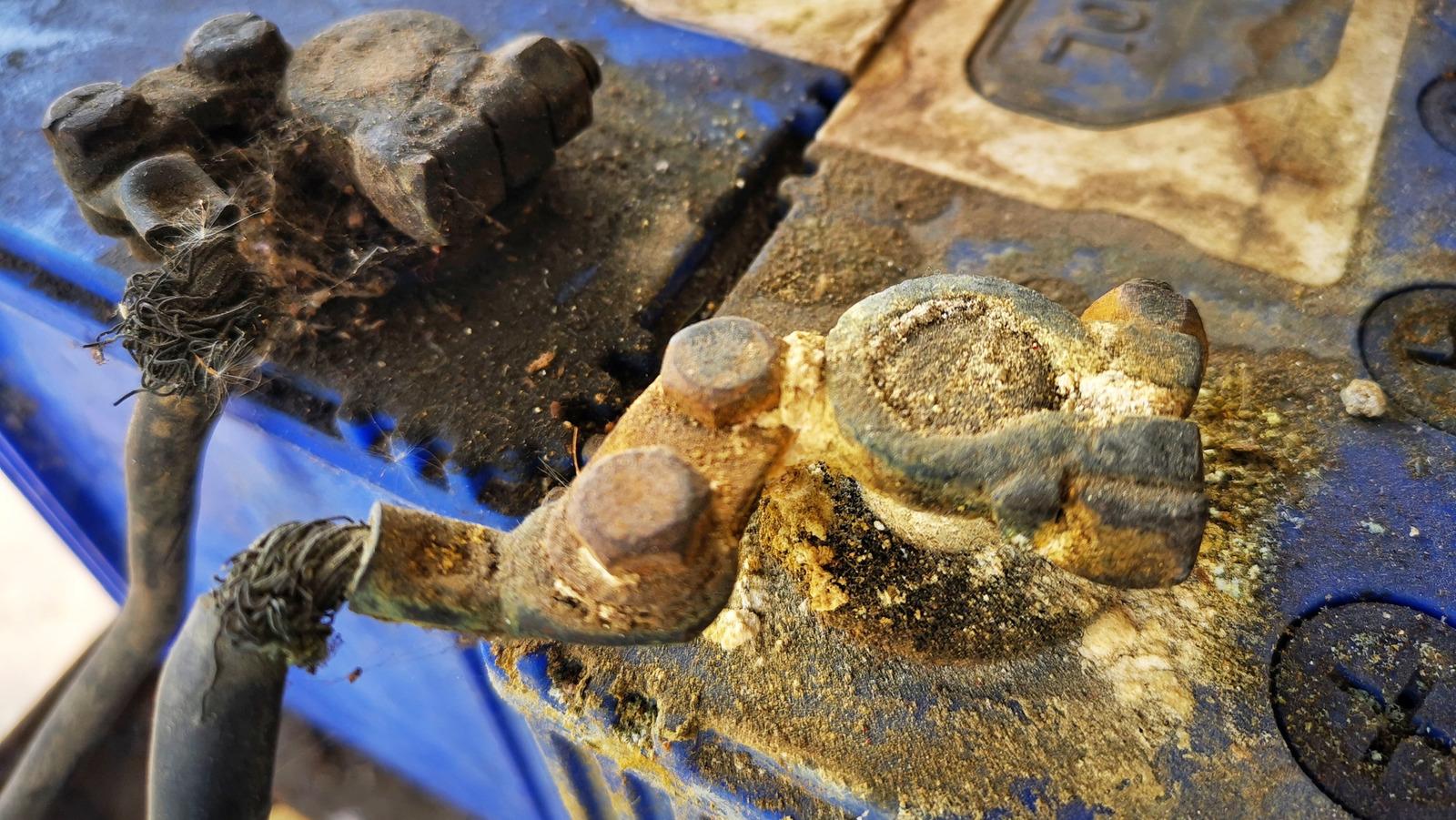
Don’t Use Soda to Remove Corrosion From Your Battery Terminals – Do This Instead
Image: Don’t Use Soda to Remove Corrosion From Your Battery Terminals – Do This Instead – Performance Comparison and Specifications
Advertisement
We’ve all heard the myth: pour a splash of Coca‑Cola on your car’s battery terminals and watch the corrosion disappear like magic. It sounds easy, cheap, and even a little retro‑cool. But in reality, that fizzy shortcut can cause more harm than good. In this guide we’ll explore why soda isn’t the right tool for the job and walk you through the safe, effective method that keeps your Toyota Camry, Ford F‑150, or any other vehicle running smoothly.
Why the Soda Myth Persists
The idea behind using soda is simple: it’s acidic, so it should dissolve the greenish copper sulfate that forms on terminals. A quick Google search will turn up countless DIY videos, and the image of a soda‑splash cleaning job is oddly satisfying. Yet the chemistry behind it is a bit more nuanced.
Advertisement
Why Soda Is Not the Best Choice
It’s Not Strong Enough
Soda’s acidity (pH around 2.5) is weak compared with purpose‑made battery cleaners that often contain phosphoric or citric acid at higher concentrations. The result? You’ll spend more time scrubbing, and the corrosion may not fully disappear.
Residue Issues
Even after you rinse the terminals, sugary residues can remain. Over time those sugars attract moisture and can accelerate future corrosion – the exact opposite of what you want.
Potential Damage to Plastic Parts
Modern vehicles, especially those equipped with advanced driver‑assistance systems (ADAS), have a lot of plastic housings and sensors near the battery. The lingering acidity from soda can eat away at these components, leading to costly repairs.
Advertisement
The Right Way to Clean Battery Terminals
Instead of reaching for a soft drink, grab a few tools that are designed for the job. Below is a quick rundown of what you’ll need.
Tools You’ll Need
| Tool | Design & Dimensions | Typical Price (USD) |
|---|---|---|
| Battery Terminal Brush | Stainless steel bristles, 6″ length, 1″ width | $8‑$12 |
| Portable Battery Cleaner Spray | 200 ml aerosol, nozzle | $6‑$9 |
| Protective Gloves | Nitrile, size medium, 10‑inch length | $4‑$7 |
| Dielectric Grease | 0.5 oz tube, silicone‑based | $5‑$8 |
Step‑by‑Step Guide
- Safety first: Turn off the engine, remove the key, and wear gloves.
- Disconnect the negative (-) terminal first, then the positive (+) to avoid sparks.
- Spray a dedicated battery cleaner onto the terminals and let it sit for 30 seconds.
- Use the terminal brush to scrub away the corrosion. You’ll notice the green‑black crust lifting off easily.
- Rinse with a little distilled water (avoid flooding the battery) and dry thoroughly with a clean rag.
- Apply a thin coat of dielectric grease to the terminals – this creates a moisture‑proof barrier.
- Reconnect the positive (+) terminal first, then the negative (‑).
- Start the engine and check that the voltage reads around 12.6 V with a multimeter.
Preventing Future Corrosion
Regular maintenance is the key. Check your battery terminals every 3‑6 months, especially if you drive a turbo‑petrol model like the BMW 330i that runs hotter and can accelerate oxidation.
| Vehicle Model | Recommended Inspection Interval | Notes |
|---|---|---|
| Toyota Camry (2022) | Every 5,000 mi | Standard 12‑V battery |
| Ford F‑150 (2021, 3.5 L EcoBoost) | Every 4,000 mi | Higher load, check clamps |
| Honda Civic (Turbo‑Petrol, 2023) | Every 3,500 mi | Watch for ADAS sensor proximity |
| BMW 330i (2024) | Every 4,500 mi | Use silicone‑based grease |
Feature Comparison of Common Cleaning Solutions
| Solution | Acidity (pH) | Residue | Safety Rating |
|---|---|---|---|
| Coca‑Cola (regular) | 2.5 | High (sugar) | ★☆☆☆☆ |
| Battery Cleaner Spray | 1.0‑1.5 | None | ★★★★★ |
| White Vinegar (5% AC) | 2.4 | Low | ★★★☆☆ |
| Lemon Juice | 2.2 | Low | ★★★☆☆ |
Engine Specifications That Influence Battery Health
| Engine | Voltage Requirement | Typical Current Draw (A) | Battery Size |
|---|---|---|---|
| 2.5 L 4‑cyl (Toyota Camry) | 12 V | 80‑120 | Group 24F |
| 3.5 L EcoBoost V6 (Ford F‑150) | 12 V | 150‑200 | Group 31 |
| 1.5 L Turbo‑Petrol (Honda Civic) | 12 V | 90‑130 | Group 24F |
| 2.0 L Turbo (BMW 330i) | 12 V | 120‑160 | Group 48 |
Price Comparison of Cleaning Kits
| Kit Name | Contents | Price (USD) | Best For |
|---|---|---|---|
| Basic Battery Brush Pack | Brush + gloves | $12 | DIY enthusiasts |
| Pro Clean Kit | Brush, spray, grease, safety glasses | $28 | Professional mechanics |
| Premium All‑In‑One | Everything in Pro + portable charger | $55 | Road‑trip owners |
| Economy Vinegar Set | Vinegar bottle + cloth | $5 | Budget‑conscious |
Conclusion
While a fizzy soda might look like a clever hack, the long‑term risks outweigh the short‑term convenience. Using a proper battery cleaner, a stainless‑steel brush, and a touch of dielectric grease gives you a clean, corrosion‑free connection that will keep your vehicle’s electrical system humming. Next time you see green crust on your Honda Civic or Ford F‑150, remember the steps above, and skip the soda for good.
Advertisement
Frequently Asked Questions
- 1. Can I use any carbonated drink to clean battery terminals?
- No. Carbonated drinks contain sugars that leave residues, which can attract moisture and cause more corrosion.
- 2. How often should I inspect my battery terminals?
- Every 3‑6 months, or sooner if you notice dimming lights or a slow‑cranking engine.
- 3. Is it safe to clean terminals while the battery is still connected?
- Never. Always disconnect the negative terminal first to prevent sparks.
- 4. What’s the difference between dielectric grease and regular oil?
- Dielectric grease is non‑conductive and repels moisture, whereas oil can attract dirt and degrade over time.
- 5. Will using a battery charger help prevent corrosion?
- Charging alone doesn’t stop corrosion, but a well‑maintained charge reduces sulfation, which can lessen buildup.
- 6. Can extreme cold affect terminal corrosion?
- Cold can slow chemical reactions, but moisture from condensation still leads to corrosion if terminals aren’t protected.
- 7. Are there any eco‑friendly cleaning alternatives?
- Yes—white vinegar or a citric‑acid based cleaner works well and biodegrades quickly.
- 8. Does a high‑performance turbo‑petrol engine increase corrosion risk?
- Turbo engines run hotter, which can accelerate oxidation, so regular checks are advisable.
- 9. Should I replace my battery if terminals are heavily corroded?
- Only if the corrosion has damaged the terminal posts or the battery case. Otherwise, a thorough cleaning restores performance.
- 10. Where can I find more detailed instructions?
- Visit reputable sites like AutoBlog for step‑by‑step videos and safety tips.