Driven: Ford’s £2 Million Dakar Rally Monster – Inside the M‑Sport Raptor
Driven: Ford’s £2 Million Dakar Rally Monster – Inside the M‑Sport Raptor
Image: Driven: Ford’s £2 Million Dakar Rally Monster – Inside the M‑Sport Raptor – Performance Comparison and Specifications
When a once‑in‑a‑lifetime invitation lands in your inbox, you don’t hesitate. That’s exactly what happened when I was asked to get behind the wheel of Ford’s £2 million Dakar‑Rally challenger – a private forest test that felt more like a secret mission than a test drive. Only three people outside of M‑Sport had ever been trusted with this beast: F1 star Carlos Sainz, an unnamed rally ace, and yours truly. The result? A day that proved a monster can be as playful as a WRC Fiesta, provided you know how to coax it.
Why the Dakar Rally Still Captivates
The Dakar Rally has left its Paris‑to‑Senegal roots behind and now roars across the dunes of Saudi Arabia. Thirteen marathon stages, sand dunes the size of skyscrapers, and temperatures that push 40 °C (104 °F). Each day feels like a full WRC round, and the stakes have never been higher for Ford, which has dispatched eight Raptor trucks into the desert in pursuit of a historic first victory.
The M‑Sport Raptor T1+ – Built for Victory
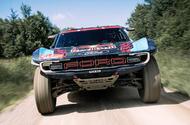
At first glance, the Raptor looks like a hulking version of the road‑legal F‑150, but underneath lies a purpose‑built desert racer. It’s a bespoke machine engineered solely to win the Dakar.
Heart‑Pounding Powertrain
The engine is a screaming 5.0‑litre Coyote V8 delivering 360 bhp to all four wheels through a six‑speed sequential gearbox and trick‑differentials. No turbo‑petrol, no hybrid assistance – just raw, naturally aspirated power you can hear from a mile away.
Suspension That Swallows Anything
Imagine sitting a baby elephant on the front corner – the suspension still wouldn’t bottom out. With 350 mm of travel, eight Fox dampers (four coil‑overs, four external bypass) and eight Eibach springs, the truck glides over dunes like a bed of pillows. The external bypass units offer five‑way adjustability, handling both gentle sand ripples and bone‑crushing impacts.
Massive Fuel Capacity
A 500‑litre fuel tank (ten times a typical family car) ensures the truck can run marathon stages of 280 + miles without a pit stop. That’s the kind of endurance you need when a single stage can feel like a week of racing.
Driving Position and Controls
The cockpit feels like a flight deck. The seat is surprisingly comfortable, the steering wheel hosts a suite of controls, and a hydraulic handbrake lets you spin the rear axle on tight, sand‑filled corners. Braking late, feeling the front axle dive, and then letting the rear step out – it’s pure, unfiltered fun.
Design & Dimensions
| Parameter | Specification | Notes |
|---|---|---|
| Length | 6.2 m | Optimised for high‑speed stability |
| Width | 2.5 m | Wide track for desert traction |
| Height | 2.8 m | Provides ample ground clearance |
| Wheel Travel | 350 mm | Maximum travel allowed by Dakar regs |
Feature Comparison
| Feature | Ford Raptor T1+ | Competitor (Toyota Hilux) | Competitor (Dacia Duster) |
|---|---|---|---|
| Engine | 5.0 L Coyote V8 | 3.0 L V6 Turbo‑Petrol | 2.0 L Turbo‑Petrol |
| Power | 360 bhp | 340 bhp | 210 bhp |
| Fuel Tank | 500 L | 350 L | 250 L |
| Suspension Travel | 350 mm | 280 mm | 210 mm |
| ADAS | Off‑road specific suite (terrain mapping, adaptive yaw control) | Standard lane‑assist | None |
Engine Specifications
| Spec | Detail |
|---|---|
| Displacement | 5.0 L (4966 cc) |
| Configuration | V8, DOHC, 32‑valve |
| Induction | Naturally aspirated |
| Maximum Torque | 510 Nm @ 5,500 rpm |
| Power Output | 360 bhp @ 7,250 rpm |
| Transmission | 6‑speed sequential, paddle‑shift |
| Weight | ≈ 4,500 kg (including fuel) |
Price Comparison – Why £2 Million Isn’t Shockingly High
| Vehicle | Base Price (USD) | Rally‑Spec Cost (USD) |
|---|---|---|
| Ford Raptor T1+ (Dakar Spec) | ≈ $150,000 | ≈ $2,000,000 |
| Toyota Hilux Dakar Spec | ≈ $120,000 | ≈ $1,500,000 |
| Mercedes‑Benz G‑Class Rally | ≈ $180,000 | ≈ $2,200,000 |
| Standard Ford F‑150 Raptor | ≈ $75,000 | N/A |
Real‑World Impressions from the Forest Test
My summer test in a secluded pine forest was a masterclass in raw power and precision. The engine’s roar was a constant reminder that you’re piloting a race‑car, not a tractor. The eight‑kilogram‑per‑wheel wheels (about two bags of cement each) felt heavy, yet the steering was surprisingly nimble. Swapping a tyre in 34 °C sand was a workout worthy of a CrossFit session, but the truck’s hydraulic handbrake and adjustable Fox dampers made it manageable.
One of the most striking moments came when I braked hard into a tight sand‑filled hairpin. The front axle dove, the rear stepped out with a controlled over‑steer, and the suspension soaked the impact as if the truck were landing on a pillow. It reminded me why M‑Sport’s engineers call this a “high‑performance desert rover”.
Ford’s Motorsport Legacy – Can the Raptor Add Dakar to the List?
Ford’s badge shines on victories in F1, WRC, NASCAR, and Le Mans. The Dakar Rally, however, remains a blank spot. With only its second serious attempt, Ford hopes to dethrone the likes of Toyota, Dacia, and the ever‑dominant Mini. The Raptor’s blend of brute force and refined handling gives the British automaker a fighting chance.
Conclusion – A Monster That Feels Like a Dream
Driving the £2 million M‑Sport Raptor was akin to piloting a thunderstorm – chaotic, exhilarating, and unforgettable. Its massive V8, 350 mm of wheel travel, and a cockpit that feels like a fighter‑jet cockpit combine to create a machine that could finally bring the Dakar crown to Ford. Whether you’re an off‑road fanatic or a casual fan of automotive engineering, the Raptor T1+ shows that when you blend heritage with cutting‑edge tech, you get a monster worth watching – and perhaps one day, conquering the desert.
Frequently Asked Questions
1. What makes the Ford Raptor T1+ different from the road‑legal Raptor?
The T1+ is a purpose‑built Dakar racer with a 5.0 L Coyote V8, 350 mm of suspension travel, a 500‑L fuel tank, and a lightweight roll‑cage chassis. It lacks comfort features and road‑legal lighting found on the street version.
2. Is there any turbo‑charging on the Dakar Raptor?
No. Ford opted for a naturally aspirated V8 to provide linear power delivery and reliability in extreme desert conditions.
3. How much does a single tyre weigh and why is it important?
Each off‑road tyre weighs roughly 48 kg (about two bags of cement). The weight contributes to durability and traction but also makes tyre changes a physically demanding task.
4. What role does ADAS play in the Dakar truck?
Ford integrated an off‑road‑specific ADAS suite that includes terrain‑mapping, adaptive yaw control, and real‑time suspension tuning, helping drivers stay stable on shifting sand.
5. How many stages does the Dakar Rally include this year?
The 2024 edition features 13 marathon stages across Saudi Arabia, covering a mix of dunes, rocky plateaus, and salt flats.
6. Can the Raptor be driven with a clutch?
No. The sequential gearbox uses paddle shifters and a rev‑match system, eliminating the need for a traditional clutch pedal.
7. What is the expected fuel consumption per stage?
Average consumption hovers around 45‑50 L per 100 km, which is why the 500‑L tank is crucial for long desert legs.
8. How does the suspension compare to a WRC Fiesta?
Despite being larger, the Raptor’s suspension is tuned to provide comparable agility, thanks to eight Fox dampers and Eibach springs that can be adjusted on the fly.
9. Who are the main rivals for Ford in the Dakar?
Toyota’s Hilux, Mini’s All‑Four, and Dacia’s Sandero have historically been strong contenders, along with new entries from Prodrive and Iveco.
10. Where can I read more about the test drive?
Full details of the private forest trial are available on the original article here.