Bottom Line Up Front
Europe’s auto sector is caught between protecting thousands of jobs at home and defending the huge profits its giants earn in China.
Europe’s Car Industry: Jobs vs China Profits – What’s at Stake?
Image: Europe’s Car Industry: Jobs vs China Profits – What’s at Stake? – Performance Comparison and Specifications
Industry Landscape
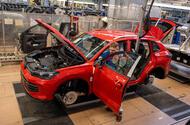
Volkswagen sits at the centre of the debate. Unions want the group to keep factories open, while VW argues that plant closures are necessary to cut costs. The clash is more than a labour fight – it’s a test of whether the whole European car ecosystem can survive when its biggest cash‑cow is overseas.
Chinese sales have surged. By 2025, Chinese brands could own up to 10 % of the European market. That prospect worries manufacturers who rely on Chinese demand for revenue, but it also threatens domestic market share.
Competitive Performance
Chinese EVs are getting better every year. They now match European rivals in range, technology and price, turning the market into a true “final boss” for legacy makers. The EU has responded with tariffs on Chinese electric vehicles and is considering the same for plug‑in hybrids.
VW, BMW and Mercedes love the Chinese market, so they fear a tariff backlash. Smaller European firms, which have little exposure to China, quietly support stronger protectionism.
One proposed solution is the EU’s Automotive Omnibus plan. It would reward manufacturers that build a small EV in Europe with locally sourced parts. The idea is to create a win‑win: keep jobs, keep prices affordable, and keep Chinese competition at bay. Critics say the rule could push up costs if firms can’t source cheap components.
Policy Options & Impact
The “local content” rule promises tax breaks, faster type‑approval and access to EU funding. Yet senior executives warn that relying too much on local parts could raise vehicle prices, making European cars less attractive to buyers who love the bargains from China.
In short, the industry faces three choices:
- Protect jobs: Keep factories running, even if it means higher production costs.
- Protect profits: Accept Chinese growth and focus on high‑margin models.
- Find a middle ground: Use targeted incentives like the local‑content scheme to balance both goals.
Most analysts agree that a compromise – modest tariffs plus incentives for European‑built EVs – is better than a full‑scale trade war that could shrink the entire sector.
Key European vs Chinese EV Snapshot
| Engine | Mileage (WLTP) | Price (EUR) | Top Features |
|---|---|---|---|
| VW ID.3 – Electric | 340 km | 30,000 | Fast charge, spacious interior, strong brand support |
| BMW iX – Electric | 460 km | 85,000 | Premium finish, advanced driver aid, luxury feel |
| BYD Dolphin – Electric (China) | 410 km | 27,000 | Aggressive pricing, modern tech, growing EU presence |
FAQ
What is the EU doing about Chinese electric cars?
It has imposed tariffs on Chinese EVs and is looking at similar duties for plug‑in hybrids while offering incentives for locally built electric models.
Will local‑content rules make European cars more expensive?
Potentially, yes. If manufacturers cannot find cheap domestic parts, the cost could be passed to buyers, but the EU hopes subsidies will offset that rise.
How many jobs are at risk if VW cuts plants?
VW has hinted that several thousand jobs could be lost in Germany alone, though the exact number varies by source.
What do you think – should Europe protect jobs, profits, or try a blend of both? Share your thoughts in the comments below.
Source: Read Official News