Bottom line: Diesel‑powered submarines use a clever air‑storage and battery system to run their engines on the surface and switch to silent electric power when submerged.
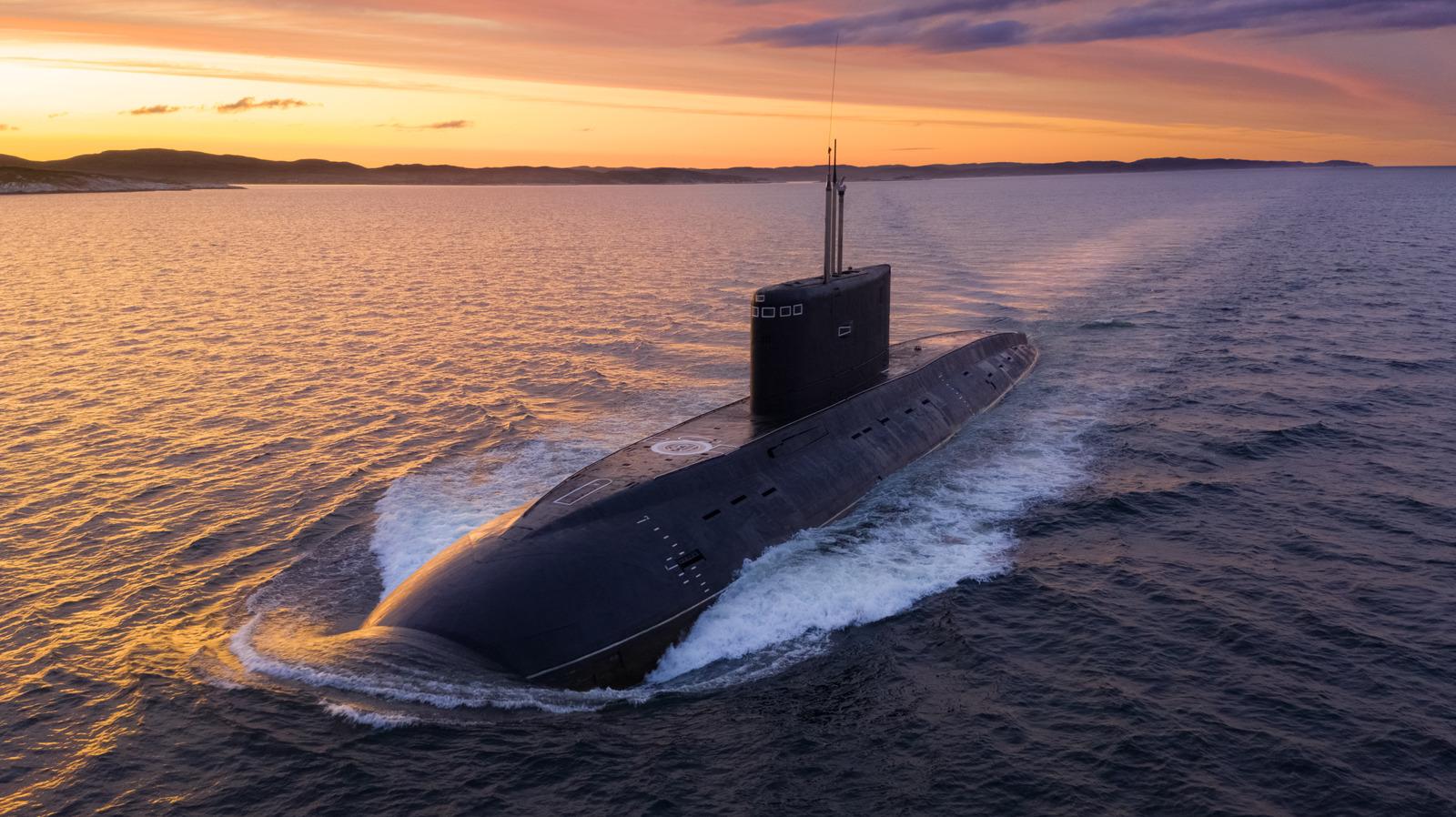
How Diesel Submarines Work Underwater: The Air‑Breathing Engine Explained
Image: How Diesel Submarines Work Underwater: The Air‑Breathing Engine Explained – Performance Comparison and Specifications
Design & Operation
At first glance a diesel engine seems impossible underwater because it needs oxygen. Submarines solve this by never running the diesel when fully submerged. They surface or use a snorkel – a tall tube that reaches the sea surface – to draw in fresh air. The diesel then powers a generator that charges large battery banks. When the hull closes, the crew flips a switch and the submarine runs on those batteries, producing no exhaust and staying quiet.
Performance & Endurance
The diesel‑electric combo gives a submarine two very different performance modes:
- Surface mode: Diesel runs at full power, providing high speed (up to 20 knots for many classes) and recharging the batteries.
- Submerged mode: Batteries drive electric motors, limiting speed to around 8–10 knots but allowing the boat to stay underwater for days, limited only by crew supplies.
Typical range on diesel power is 8,000–10,000 nautical miles, while submerged endurance at low speed can exceed 200 hours.
Cost & Rivals
Diesel‑electric subs are cheaper to build than nuclear boats – usually under $500 million – and they’re easier for navies without a nuclear infrastructure. Their main rivals are nuclear submarines, which can stay submerged almost forever but cost billions and need specialized support.
Quick Comparison Table
| Engine | Mileage (nm) | Price (USD) | Top Features |
|---|---|---|---|
| Type 209 (Germany) | ≈ 11,000 | ≈ 300 M | Proven export design, modular upgrades |
| Kilo‑class (Russia) | ≈ 9,000 | ≈ 350 M | Quiet hull, long patrol capability |
| Scorpène (France/Spain) | ≈ 10,000 | ≈ 320 M | Advanced sonar, flexible weapon bays |
FAQ
How does a diesel submarine get air for its engines?
It uses a snorkel mast that pierces the water surface. The mast houses an intake and an exhaust valve, letting the diesel breathe while the hull stays mostly hidden.
What is the range of a diesel‑electric submarine?
On diesel power a modern conventional sub can travel 8,000‑10,000 nautical miles before refueling. Submerged on batteries, it can cruise at low speed for up to 200 hours.
Can a diesel submarine stay underwater forever?
No. It must surface or snorkel to recharge batteries and refresh the air supply. The limiting factor is food, water and crew stamina, not the engine itself.
Got more questions about how these underwater workhorses operate? Drop a comment below – I love hearing your thoughts!
Source: Read Official News