How Old Is Too Old For Tires? When to Replace Them
Bottom line: Even if the tread looks fine, most experts recommend swapping out tires after six years, and definitely after ten.
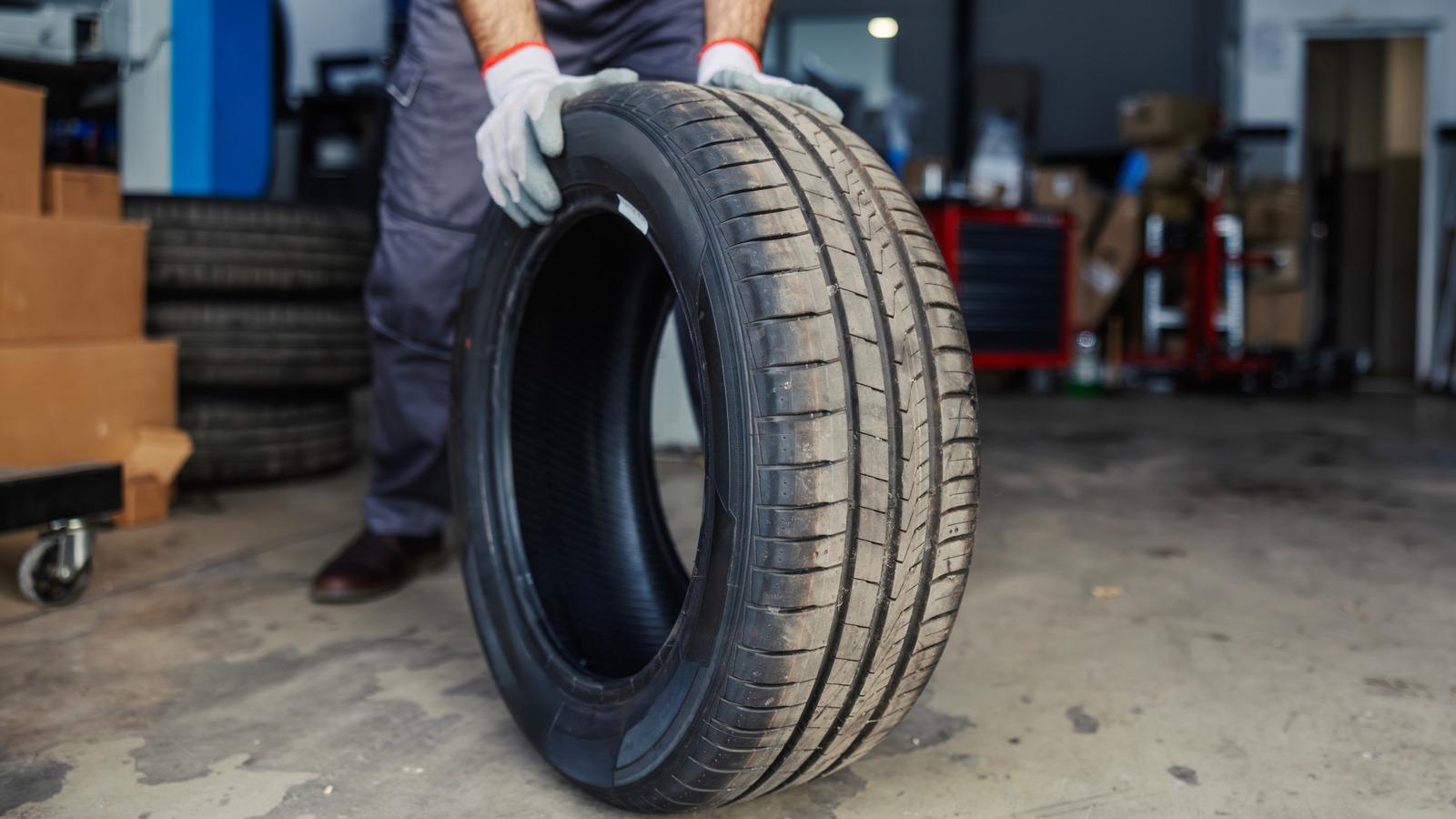
How Old Is Too Old For Tires? When to Replace Them
Image: How Old Is Too Old For Tires? When to Replace Them – Performance Comparison and Specifications
Age matters more than tread depth
Rubber ages even when the road isn’t wearing it down. Heat, ozone, and sunlight break down the polymer chains, making the tire harder and more prone to cracking. A tire can look brand‑new but still be unsafe if it’s older than the recommended service life.
Most manufacturers place a DOT code on the sidewall. The last four digits show the week and year of production (e.g., 3519 = 35th week of 2019). Use this code to calculate age.
- 0‑4 years: Excellent condition if tread is good.
- 5‑6 years: Check for sidewall cracks, dry rot, and uneven wear.
- 7‑10 years: Replace unless a professional inspection proves the tire is still sound.
- 10+ years: Replace regardless of tread depth.
Safety and performance impact
Older tires lose flexibility, which hurts grip on wet or icy surfaces. They also become more brittle, increasing the risk of a sudden blow‑out at highway speeds. This loss of performance is why many safety experts tie tire age directly to braking distance and handling.
When you feel a wobble, hear a thumping noise, or notice the car pulling to one side, those can be signs the rubber has degraded beyond safe limits.
Replacing tires on schedule keeps:
- Stopping distance short.
- Cornering confidence high.
- Fuel efficiency steady (harder rubber can increase rolling resistance).
Cost considerations and what to look for
Buying new tires is a noticeable expense, but waiting too long can cost more in accidents or reduced fuel economy. Look for:
- Clear sidewall markings (DOT code).
- Warranty mileage that matches your driving habits.
- Reviews that mention durability and wet‑road performance.
Below is a quick comparison of three popular all‑season tires that many drivers choose when it’s time for a replacement.
| Engine | Mileage | Price | Top Features |
|---|---|---|---|
| N/A | 60,000 mi | $120 / tire | Excellent wet grip, long‑wear tread |
| N/A | 55,000 mi | $110 / tire | Quiet ride, good snow traction |
| N/A | 70,000 mi | $130 / tire | High mileage warranty, strong sidewall |
FAQ
- Can I drive on tires that are older than 10 years if the tread looks okay? No. Age‑related rubber degradation can cause sudden failure even with visible tread.
- How often should I check my tire’s DOT code? Whenever you notice a change in handling or at least once a year during routine maintenance.
- Do all‑season tires last longer than summer tires? Not necessarily. Longevity depends more on rubber compound and mileage warranty than season rating.
Got a story about a tire that surprised you with its age? Share it in the comments below!
Source: Read Official News